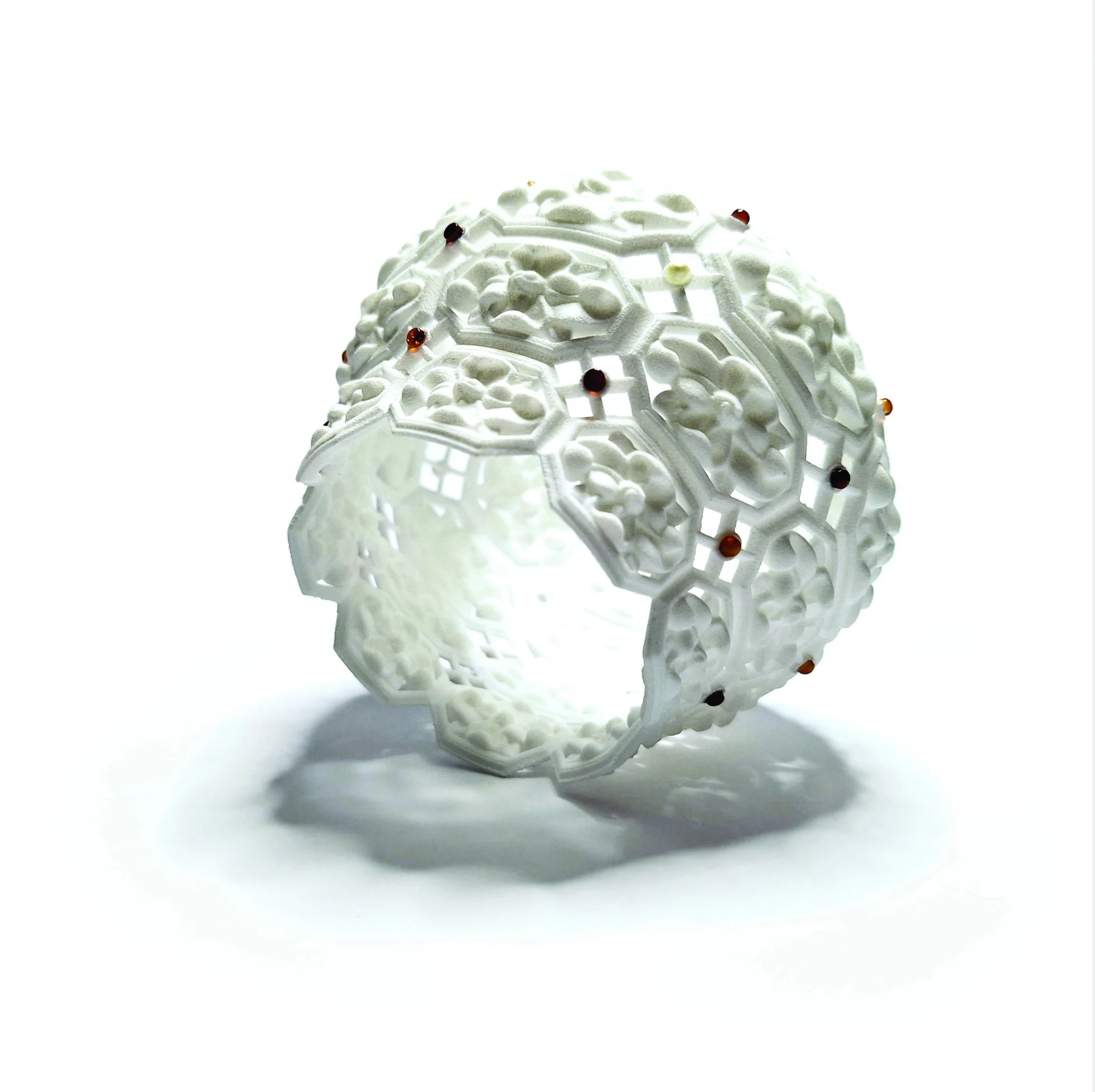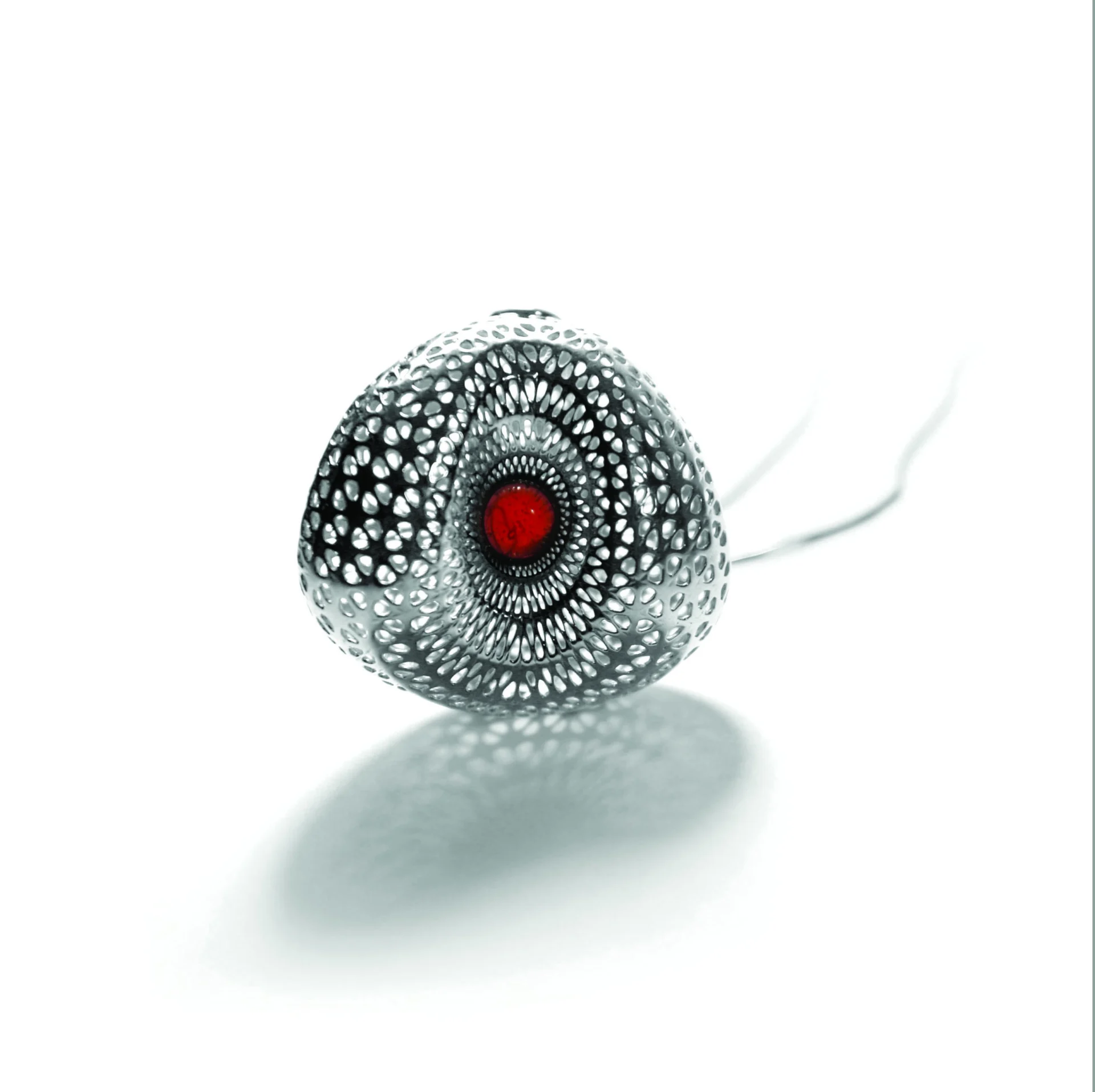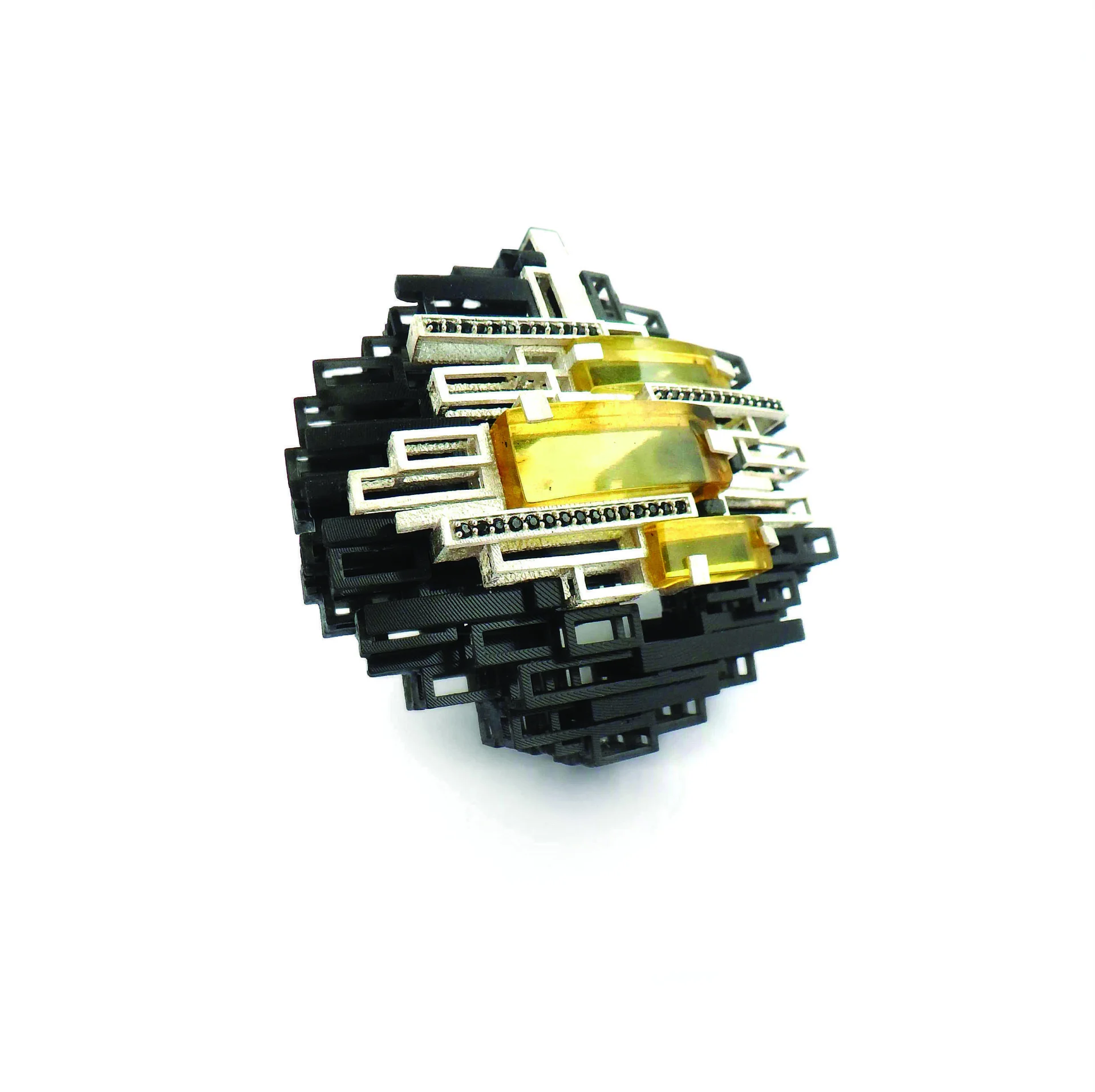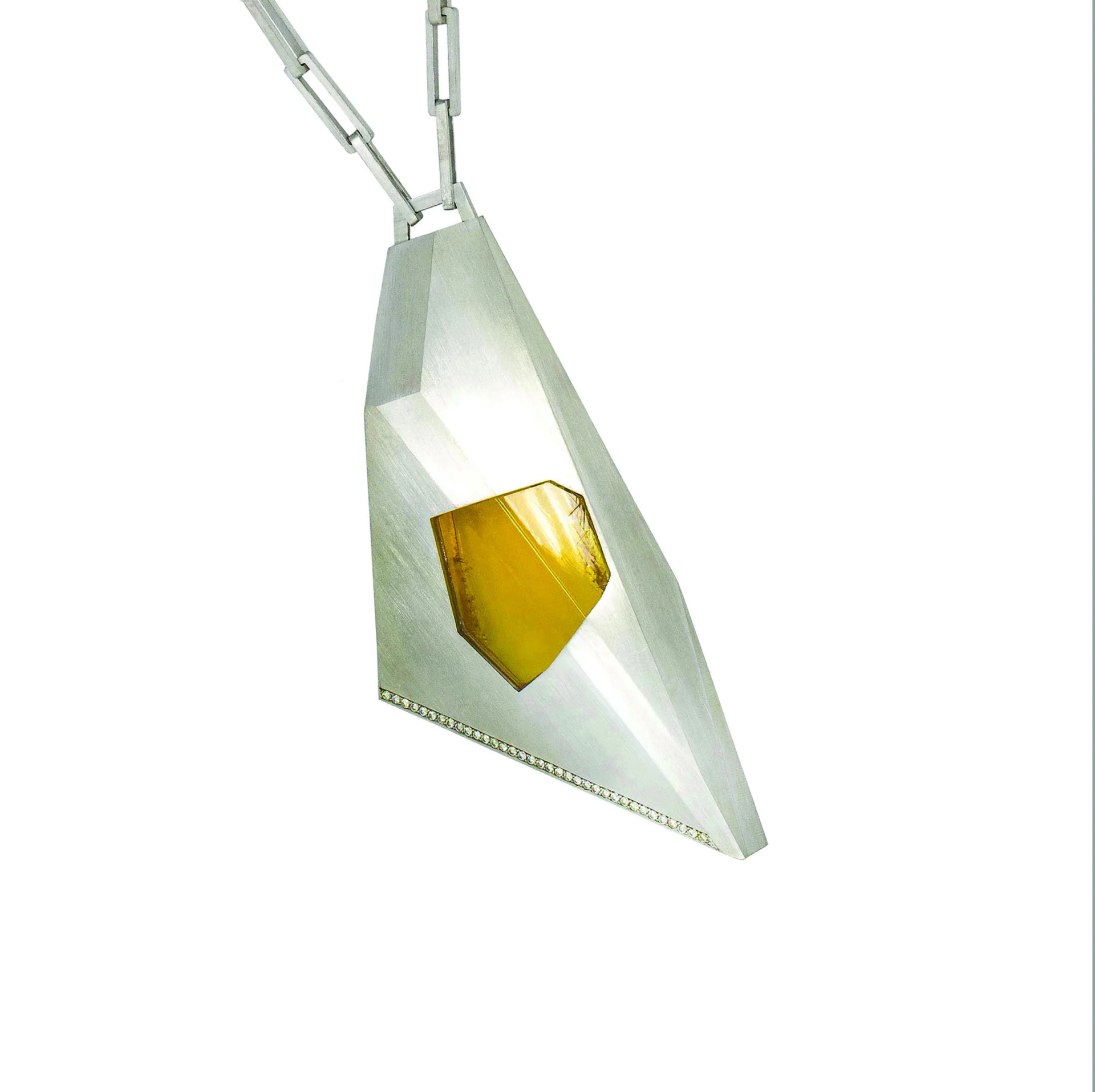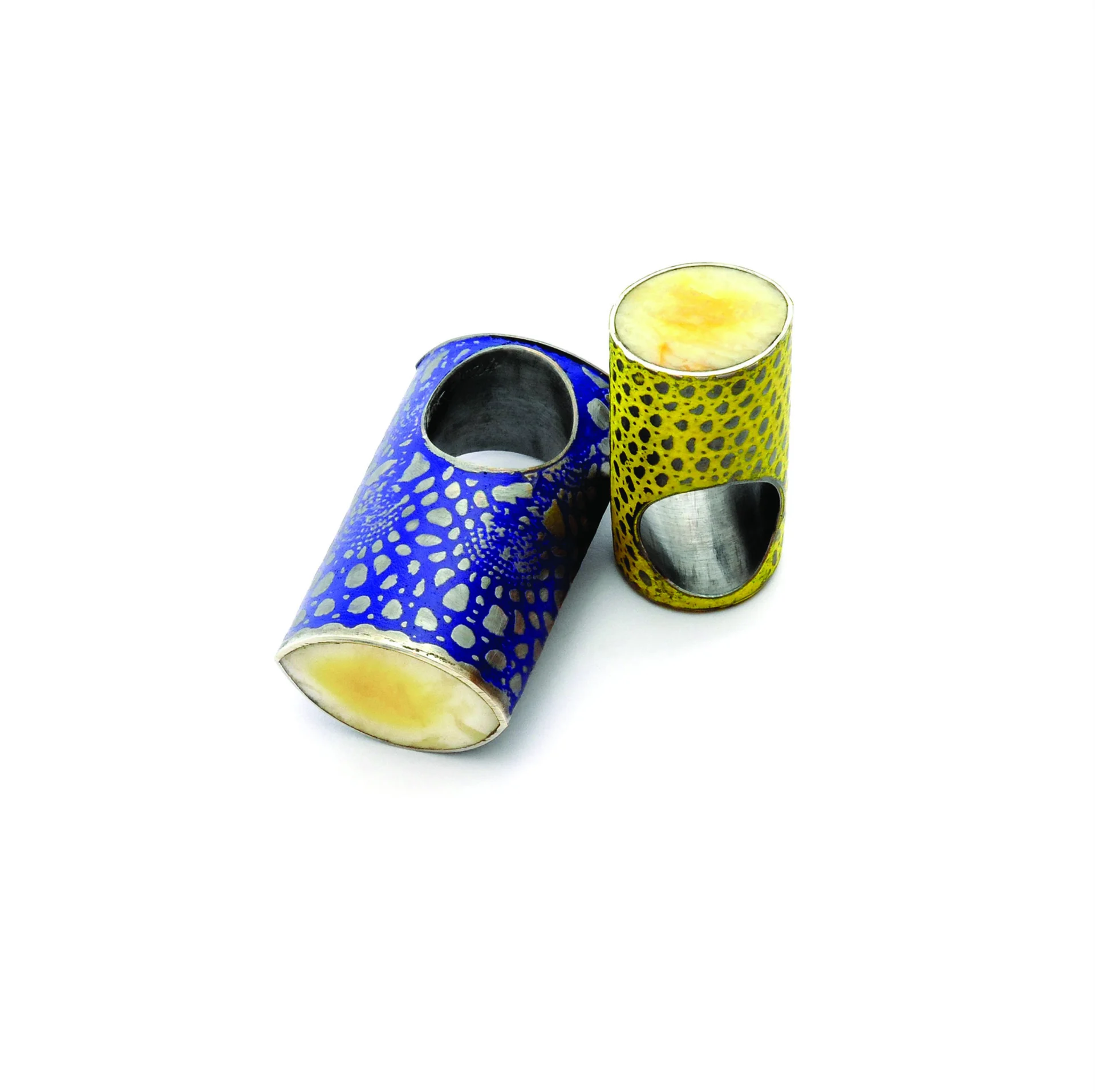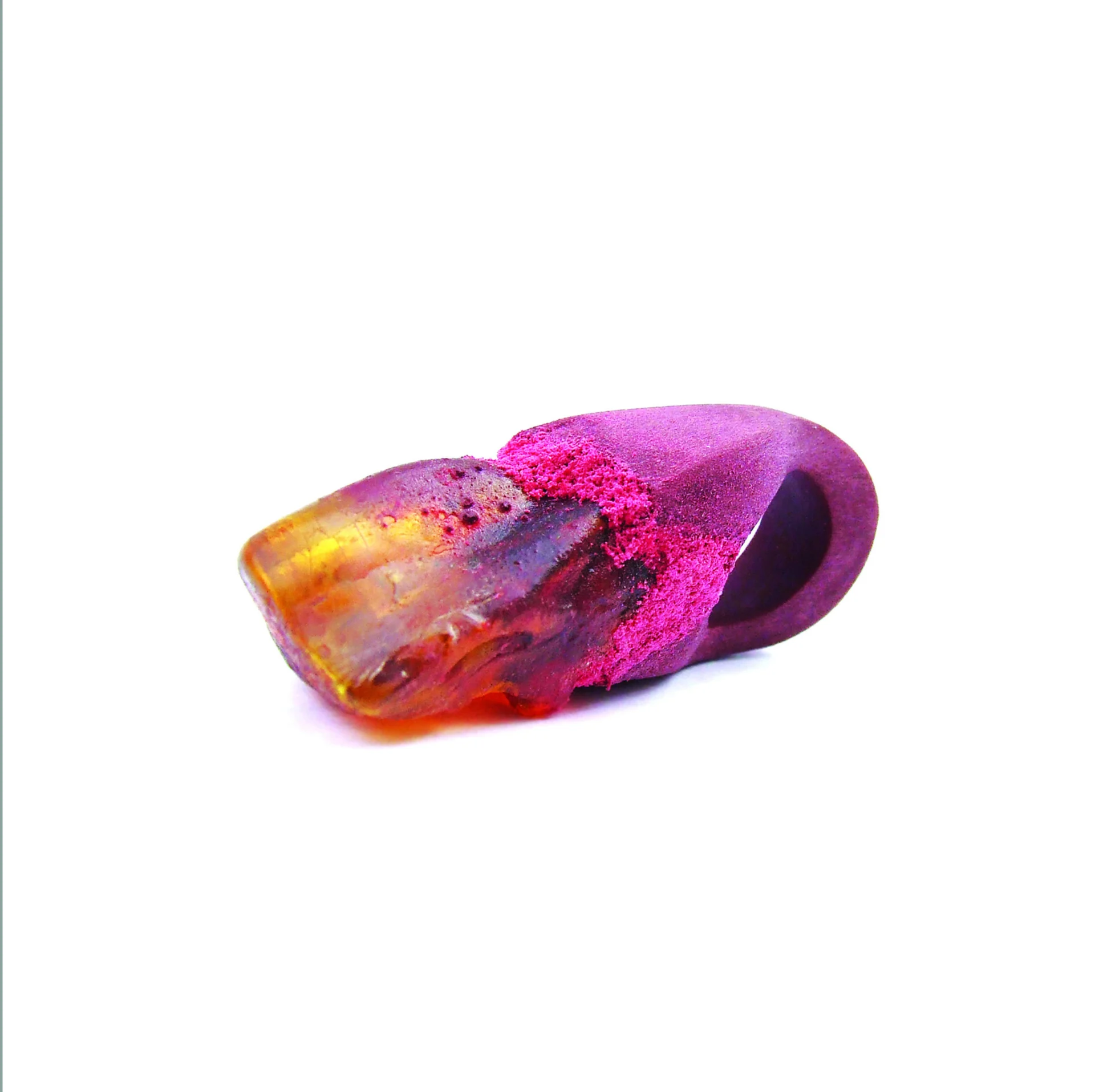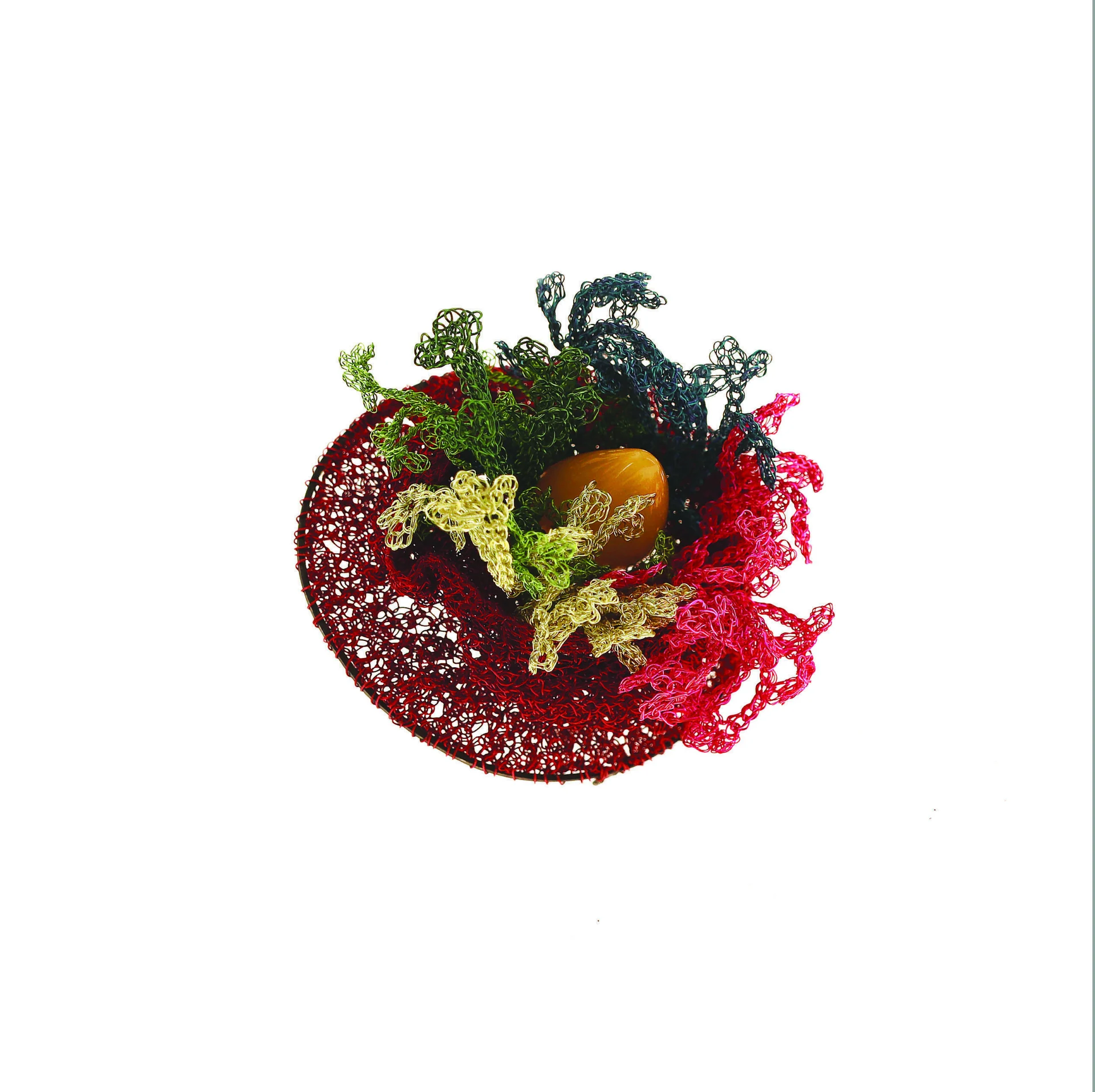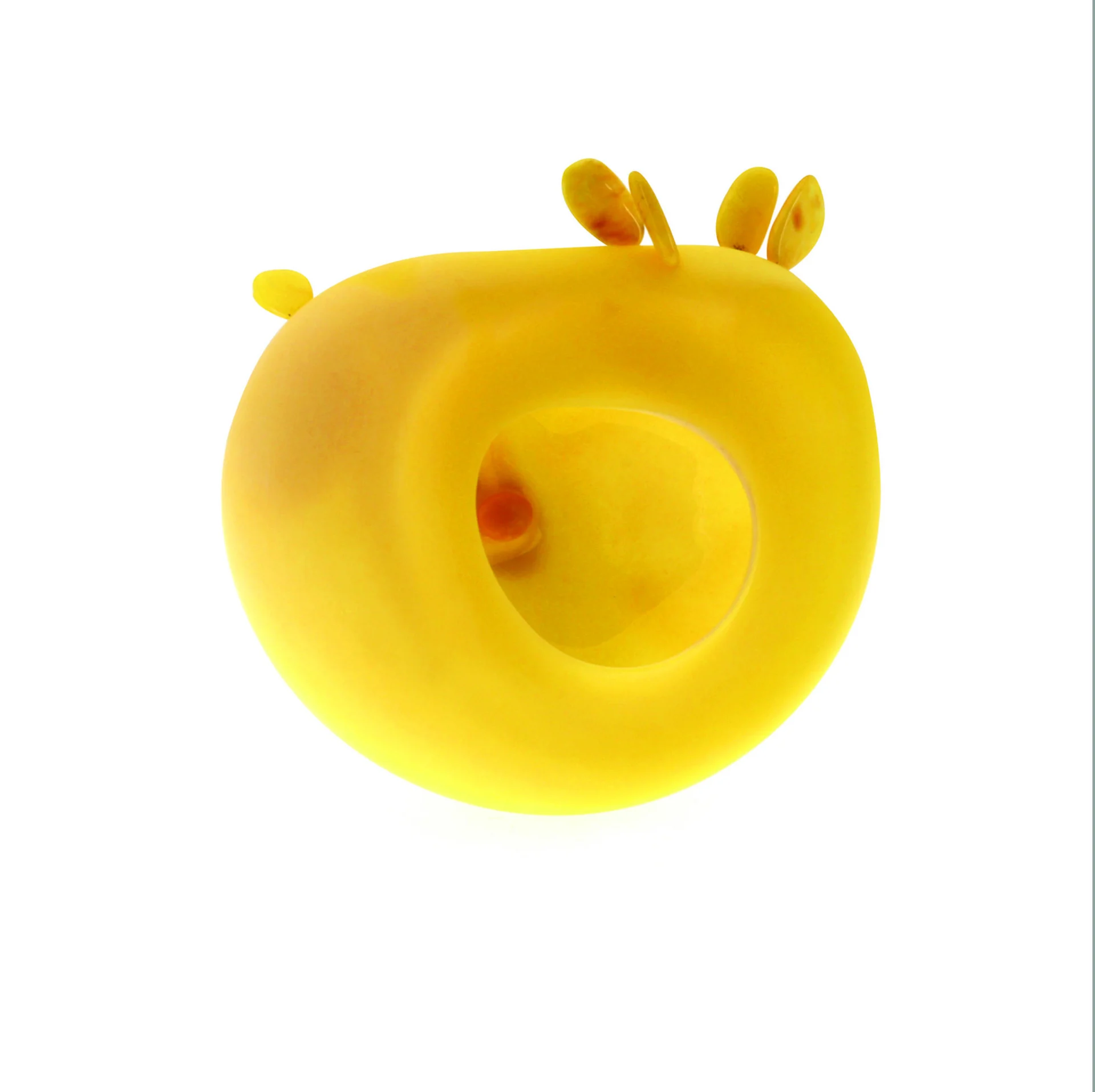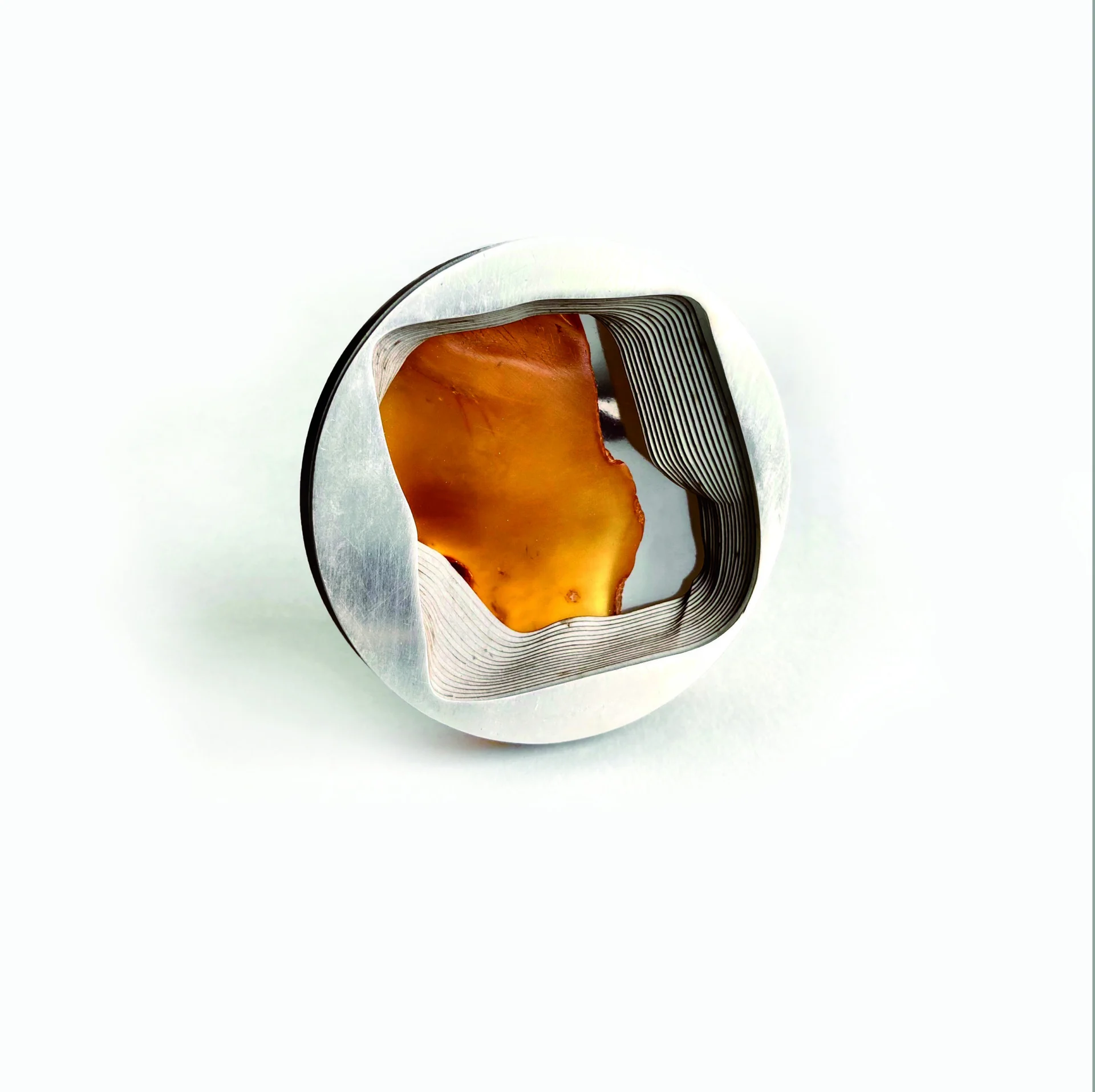
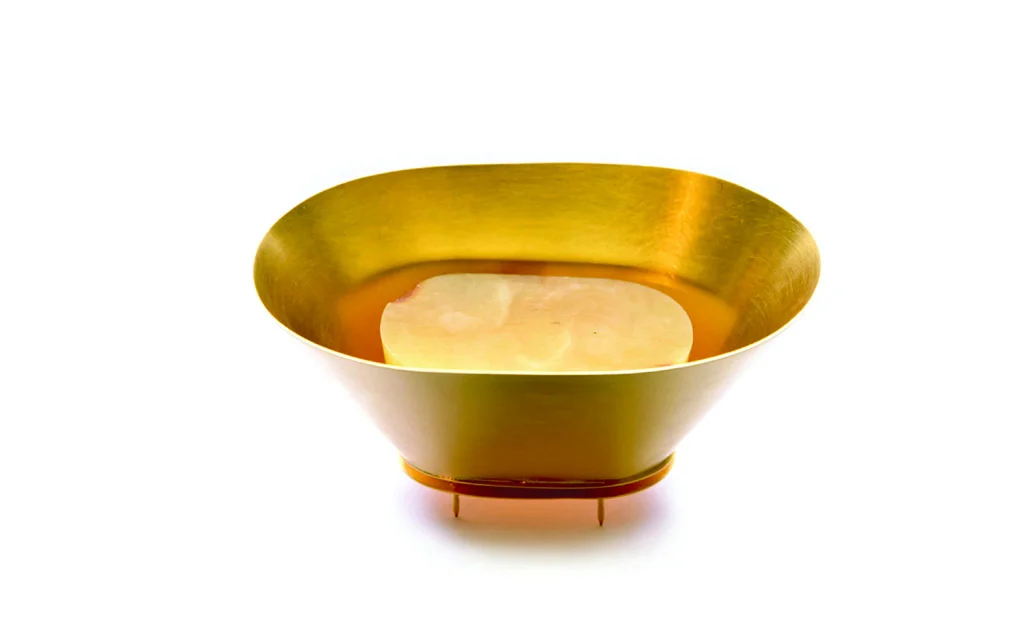
Nearly 100 works by authors from 10 countries are being presented at the Baltic Amber > Other Criteria exhibition. Among them, you will find pieces by leading Polish amber artists and design firms, as well as unique artistic jewellery. What makes amber so appealing and popular among jewellery designers?
Among the classic materials most commonly used by goldsmiths, jewellery designers and artists – namely precious metals and gemstones – amber has several advantages. It is relatively affordable compared to other stones. It is easy to work with – being fossilised resin, its polishing and grinding can be compared to that of polymers, such as Plexiglas. It is also much larger in size than crystalline stones, allowing for the design of bolder forms where the loss of material doesn't have to be strictly calculated in terms of carats. Each piece of it is unique, containing an internal mystery, i.e. a plant or animal inclusion. The famous film *Jurassic Park*, which greatly contributed to the promotion of amber, especially in the USA, was not entirely fiction in this particular aspect. It is also „exotic”. For two reasons: either it is not well known, or it is poorly known – meaning it is associated with conservative, old-fashioned jewellery. Thanks to this, in the hands of contemporary creators, it has the potential chance to become a hipster material offering unlimited possibilities for surprisingly innovative reinterpretations.
The exhibition features works by foreign artists, including some from outside the Baltic Sea region. You have chosen names such as, among others,. Ruudt Peters, Alberto Dávila, Silvia Bellia, and Emma Carrau Bueno. What is their interest in amber?
Some authors encountered amber during International Amber Workshops in Gdańsk, which were held on the initiative of the Mayor's Office for City Promotion of the Municipal Office in Gdańsk. Many of the artists mentioned are laureates of the International Amber Association award, which is given annually in Amberif Design Award International Jewellery Design Competition, whose current curator is Barbara Schmidt. The prize is amber raw material and an individual exhibition at MSB Gallery. This way, we invite creators to become more familiar with the advantages of this material and at the same time offer them a stage to present their own collections. So far, at the MSB Gallery we have had the pleasure of organising exhibitions by, among others, creators such as Miriam Arentz, Alberto Davila, Arnald Jorda, Misato Takahashi or Silvia Bellia.
We managed to infect the other leading global creators with the amber virus in a similar way slightly earlier, during three exhibition cycles. Gdańsk Baltic Amber Biennale. This initiative was launched in 2013 by our Association, and subsequently continued in 2015 and 2017 in cooperation with the owner of the Villa de Bondt gallery in Ghent. Wimem Vandekerckhove and with the support of the City of Gdańsk – at a time when it still felt actively supportive – brought together over 40 artists from around the world. Among the participants in this exhibition series, we can mention names such as Ramón Puig Cuyàs, Wilhelm Tasso Mattar, Herman Hermsen, Michael Becker, Robert Baines, Daniel Kruger, Karl Fritsch, Kim Buck, Andi Gut, Gisbert Stach, Philip Sajet, Sophie Hanagarth, Stefano Marchetti, Monika Brugger, Lisa Walker, Patricia Domingues, Tabea Reulecke, Wolfgang Rahs, Ingrid Römmig, Carme Roher, Christiane Förster, Nelly Van Oost, Shana Teugels, Warwick Freeman, Bernard François, Annelies Planteijdt, Manuel Vilhena, Tanel Veenre and Petra Zimmermann. Large exhibition projects were arranged from the amber objects created in this way, supplemented by works by Polish artists. The first was the exhibition „Baltic Amber – Tradition & Innovation” presented at the most important trade fairs and festivals at the time, including in Munich, Milan, Valencia, Brussels, Hong Kong. The second, however, is a continuation under the name „Baltic Amber – Legacy & Modernity” premiered at the Venice Art Biennale in 2019, among other places. Unfortunately, the pandemic interrupted this international cycle, and the current Gdańsk authorities are now solely focused on promoting amber within the city itself – as a local holiday attraction – and have ceased to support its presence in the professional, gallery circuit dedicated to a specialised audience. We are trying to bridge this qualitative gap, which is directly referenced in the exhibition's subtitle, „Other Criteria” – also as an invitation to compare the results and budgets of individual activities, whose declared intention should be the promotion of amber in its „global” guise.
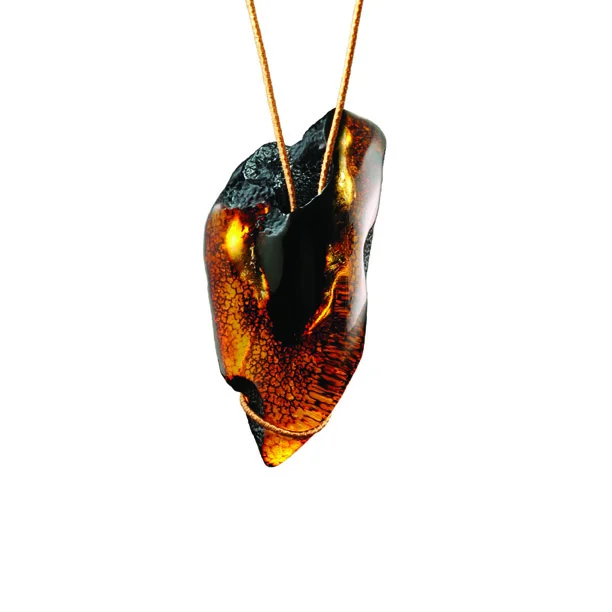
Year after year, it is Polish designers who set the tone for amber design – both in the case of commercial, mass-produced jewellery and unique objects of a clearly artistic nature.
This is quite evident due to their easier access to raw materials, traditions of material culture, and possibilities for global commercialisation of the results of their work. When designing the exhibition's concept, we particularly wanted to highlight in this context all Polish creators who – working consistently and systematically – do not give in to the easy temptation of „fairgroundism”. These include – also represented at the exhibition – the following designers, artists, representatives of academic communities, and companies: Andrzej Szadkowski, Jaroslaw Westermark, Jacek Byczewski, Pawel Kaczynski, Margaret Kalińska, Kinga Sulej, Adriana Lisowska, Marcin Bogusław, Sława Tchórzewska, Jolanta Gazda, Radek Szwed, Tadeusz Jaśkowiak, Aleksander Gliwinski, Mariusz Gliwinski, Elżbieta and Marek Pawłowski, Tomasz Kargul i Monika Blaszkowska, Giedymin Jabłoński, Dariusz Zarański, Izabela Gutowska, Maria Fijałkowska, Emilia Kohut, Anna Betley, Marta Hryc, Marta Flisykowska, Monika Gordziej, Ivona Haurash, Magdalena Szadkowska, Agata Danielak-Kujda, Art7, S&A Jewellery Design, NAC Amber Marcin Wesołowski, Chilli Jewellery Ireneusz Glaza, A2 Jewellery My name is Sławomir Fijałkowski. The „goldfish” – a sculpture by Przemysława Kusia.
Amber is an important element of Baltic countries' heritage. However, the exhibition itself proves to be quite a surprise for all those who had established associations with this material. It is fascinating how amber combines tradition with modernity.
The oldest amber artefacts date back to the Neolithic period. Amber was an important distinguishing feature of Etruscan art, and it reached the peak of its popularity in Ancient Rome, from where „amber routes” were charted to the Baltic coast. In the Baroque era, Gdańsk and its rival Königsberg became centres for its processing and export to all the royal courts of Europe at the time. Once, as a designer, I perceived this historical continuity as a kind of limitation, a canon that was difficult to break free from. Today, I appreciate the heritage of this tradition, which is associated with a specific place and constitutes its glocal distinguishing feature – provided, of course, that it is not merely a museum memory, but continues to evolve in rhythm with contemporary design and art. We hope that the reception of the avant-garde objects featuring amber presented at the exhibition will be an inspiring experience and will encourage further creators to take an interest in its properties.
Part of the exhibition features works by students from the Faculty of Design at the Gdańsk Academy of Fine Arts, designed using digital tools. For those who remain faithful to traditional goldsmithing techniques and tools, this section of the exhibition might seem a bit futuristic. Can we find premonitions of future trends in jewellery design within the works of these young designers?
The Experimental Design Studio, which I lead at the Academy of Fine Arts in Gdańsk, is not a traditional goldsmithing studio – we focus on product design, including jewellery. The studio is part of the industrial design faculty, which means our students are familiar with working on computers, have a good understanding of CAD/CAM engineering requirements, and use 3D printing as a primary tool for verifying their concepts. This makes it easier for us to cross disciplinary boundaries and overcome the limitations of manual craftsmanship, by also experimenting with parametric and generative design, design in VR (virtual reality) and AR (augmented reality) environments, or creatively utilising artificial intelligence algorithms. We also operate within an industrial context – in the Gdańsk agglomeration, several thousand people make a living from exporting amber jewellery – which is why our graduates must understand the logic of a modern manufacturing company and be proficient not only with a hammer and blowtorch – which we do not avoid, of course – but also consciously utilise the advantages of digital technologies. Furthermore, we have long stopped viewing them as something separate; they are simply one of many possibilities for prototyping or expressing artistic creativity, the prerequisite for which – just like with traditional craftsmanship – is a perfect mastery of one's craft, in this case digital, which requires years of practice within specialised education.
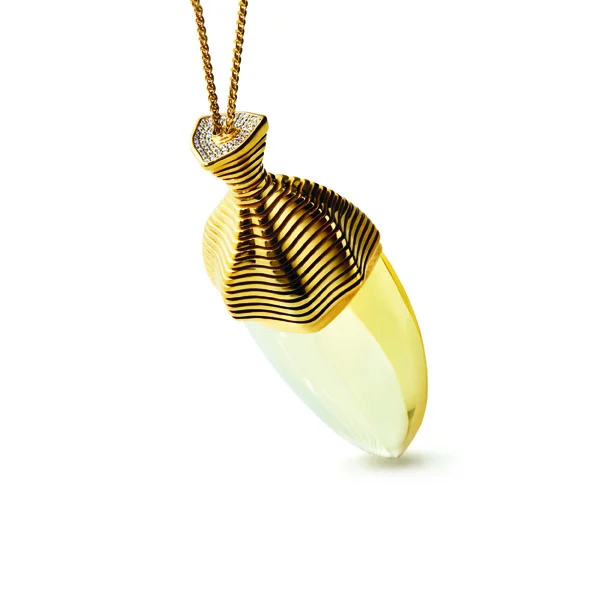
How does the artistHow do designers of different generations in Poland perceive amber in the context of its strong associations with traditional craft, vintage jewellery, and folk art?
These associations have largely survived in Gdańsk due to its tourist character and the overrepresentation of popular jewellery, which is usually brought back as a souvenir from a specific place. However, generations Y and Z no longer associate amber with the style of jewellery worn decades ago, nor with an ethnographic exhibit from the past. On the contrary, young creators and young „wearers” of jewellery are more likely to recognise its advantages – its natural origin, ethical and ecological procurement methods, and the lack of „exclusive” glitz, which nowadays is more associated with primitive demonstrations of economic superiority. Furthermore, amber has a good historical legend – starting from Greek and Roman, but also Chinese mythology, up to its health-promoting properties recently proven by laboratory methods. After all, it is fossilised resin from coniferous trees – releasing a scent, reacting to fire, becoming electrified when rubbed against a piece of fabric, and finally, favourably ionising the air. All this means that today, amber has become a fundamental or additional distinguishing feature of their work and a competitive advantage for many Polish designers (especially in Buddhist Asian countries, where it has additional symbolism – in Mandarin, the term for „amber” means „tiger's soul” – and through a still-living reference to the ancient legend, it serves as a type of amulet in the most anthropological sense, even for today's users.
As announced, the project „Baltic Amber 2024 > Other Criteria” opens a cycle of presentations with amber in the starring role. What other paths will the amber exhibition blaze?
The next venue for the exhibition, following the SREBRO Festival in Legnica, will be Gdańsk – most likely in the new gallery of the International Amber Association, which is set to open in autumn 2024. There were also plans to present the exhibition at the 2025 World Expo in Osaka, but architectural limitations of the Polish pavilion will most likely prevent this plan from being realised. However, the „Japan” direction has already taken on a life of its own, so we are currently seeking an institutional partner and a suitable venue to also present the exhibition to the Japanese public. In the coming years, cyclical re-editions of the exhibition are planned – with a constantly new group of artists from Poland and around the world, and with the conviction that the titular „Other Criteria” will always signify the highest quality standards, contributing to the further and deeper popularisation of this extraordinary material.
Exhibition „Baltic Amber 2024 > Other Criteria”
Location: Satyrykon Gallery, Rynek 36, Legnica
17.04. – 06.06.24
Organisers: Legnica Art Gallery, International Amber Association
Curator: Prof. Sławomir Fijałkowski
Exhibition catalogue To download