Baltic amber
Warm to the touch, full of light and history – Baltic amber has delighted people worldwide for centuries. Its golden glow conceals the secrets of ancient forests, where this extraordinary resin was born millions of years ago. Today, it is a symbol of nature, beauty, and the heritage of our region.
What makes Baltic amber so unique? How did it form? How does Baltic amber differ from other varieties of amber? Why does it continue to fascinate scientists, artists, and collectors?
Immerse yourself in his world – full of colours, textures, and stories written in light.
Możdżanowo near Słupsk – the geology of a Pleistocene amber deposit and the history of its exploitation
Możdżanowo is not only a potential area for mining investments but also a unique geotouristic attraction.
Geological and deposit facts of the presence of Baltic amber (succinite) in Poland
People have been fascinated by the search for and extraction of amber in the Polish region since ancient times.
Baltic amber – history, characteristics and properties
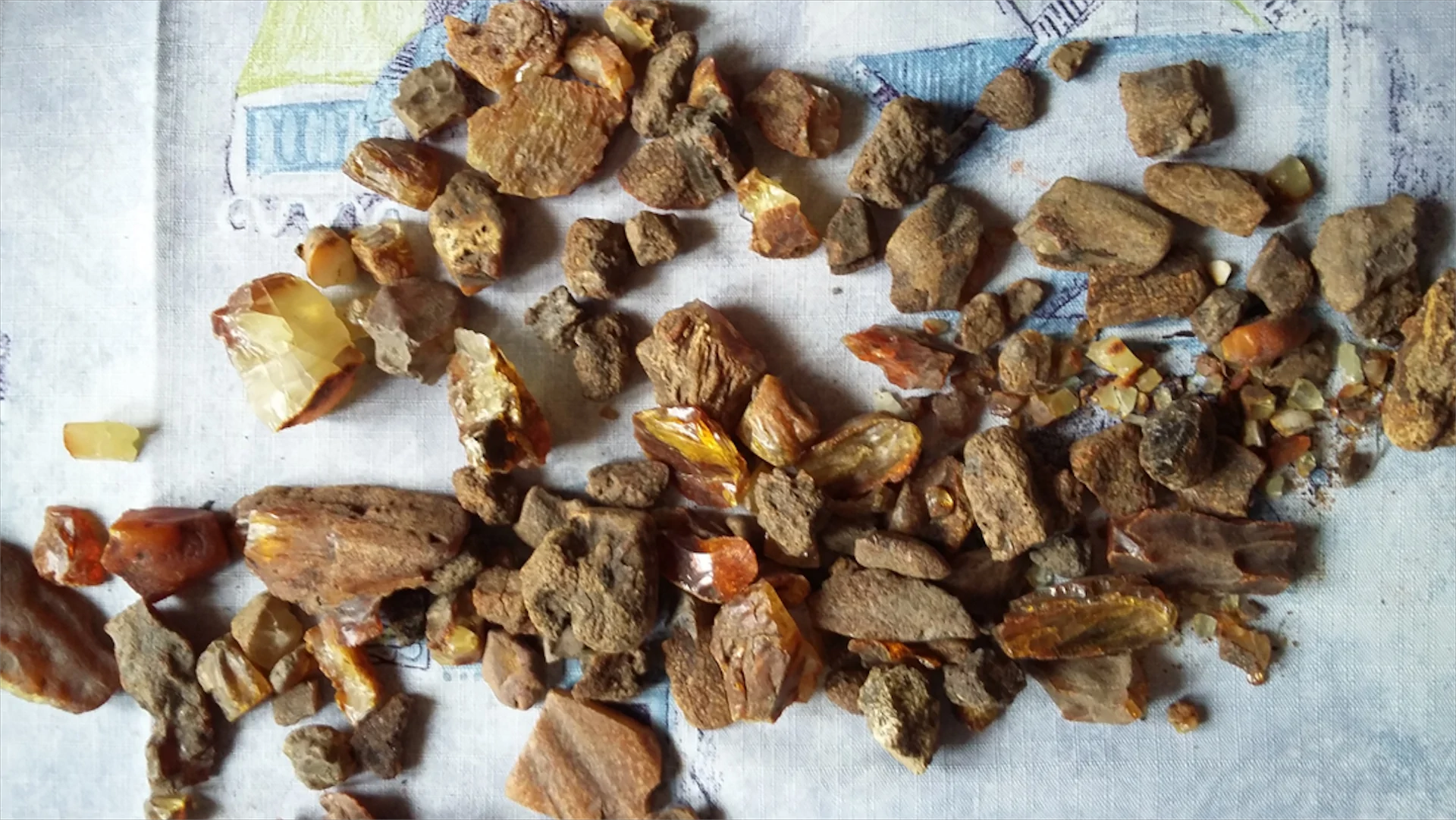
Baltic amber, a fossilised resin, was already prized in Neolithic times. People have been collecting amber on the Baltic coast for at least 13,000 years. The amber itself, however, was formed from the resin of plants that have been growing for at least 320 million years (Grimaldi, 2009).
Amber from the British Isles
Amber has been traded in Europe for at least 10,000 years. Most of Europe's population at that time worshipped the sun (around 900 BC). For them, amber represented the sun and was often worked into decorative discs, imitating the sun through its amber colour and warmth to the touch.
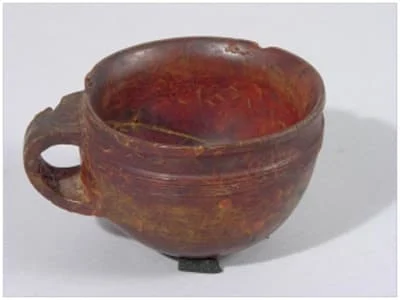
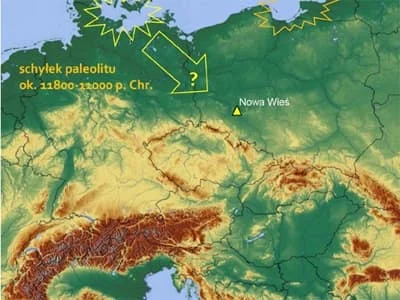
The Amber Routes in Central European Prehistory – An Outline of the Issues
It is already a truism today to state that prehistoric communities in Central Europe maintained trade relations with each other. In many cases, the purpose was the trade of amber, both as raw material and finished products.
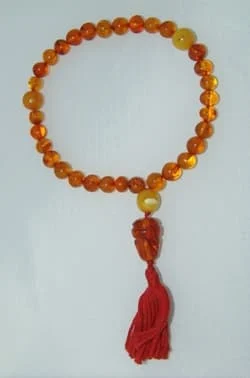
Amber in medieval Arabic medicine
In the beliefs of medieval people, amber was used in Arab medicine, and as a talisman, it served to ward off spells among Eastern Turks and Chinese. Based on the above information, it can therefore be assumed that amber may have had a similar use in Europe.
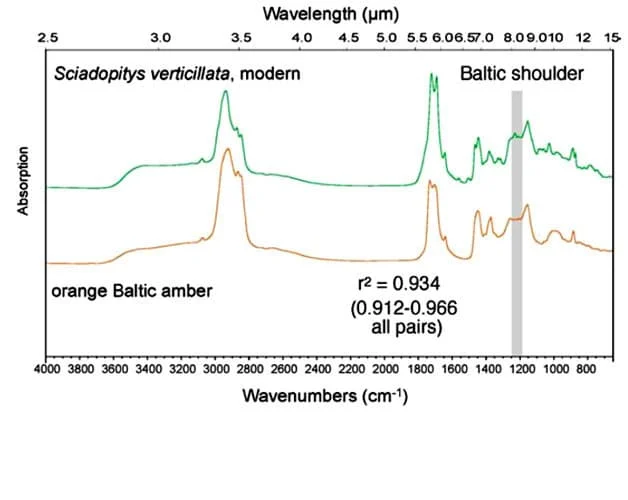
The Burseraceae – new contenders for Baltic amber mother trees
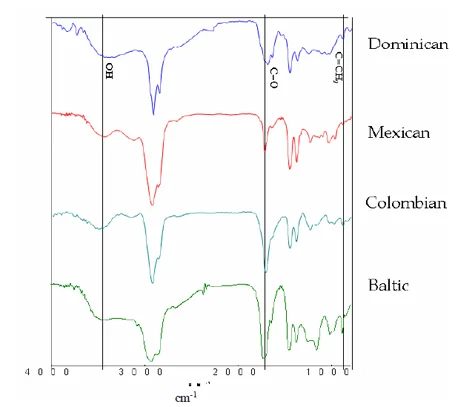
A hypothesis was recently published suggesting that extinct trees from the Sciadopityaceae family were the parent plants of Baltic amber resin. This hypothesis has been confirmed by Fourier-transform infrared spectroscopic analyses, as well as studies using gas chromatography and mass spectrometry.
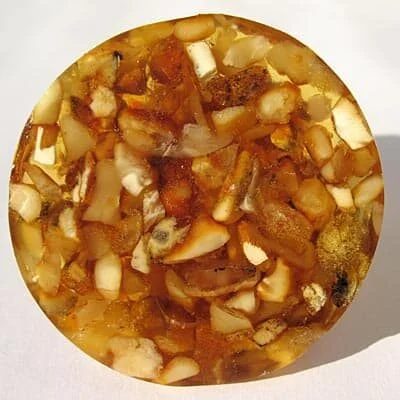
Glued amber – polybern. Baltic amber crumbs embedded in synthetic resins
Imitations of amber used to appear on the market in larger quantities during crises: those related to wars and, as a consequence, societal impoverishment, a lack of sufficient amber raw material, or increased demand for amber jewellery caused by, for example, fashion needs.
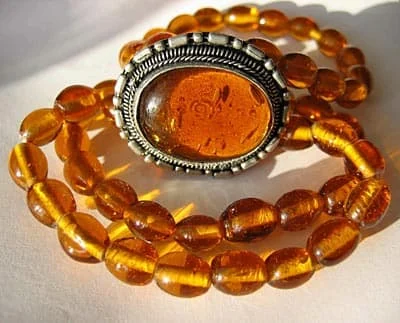
Glass as an imitation of amber
Glass is one of the oldest substitutes for amber. When humans learned to smelt and utilise glass for their diverse needs, its practical qualities and artistic effects in manufactured goods made it an adornment for human attire and surroundings.
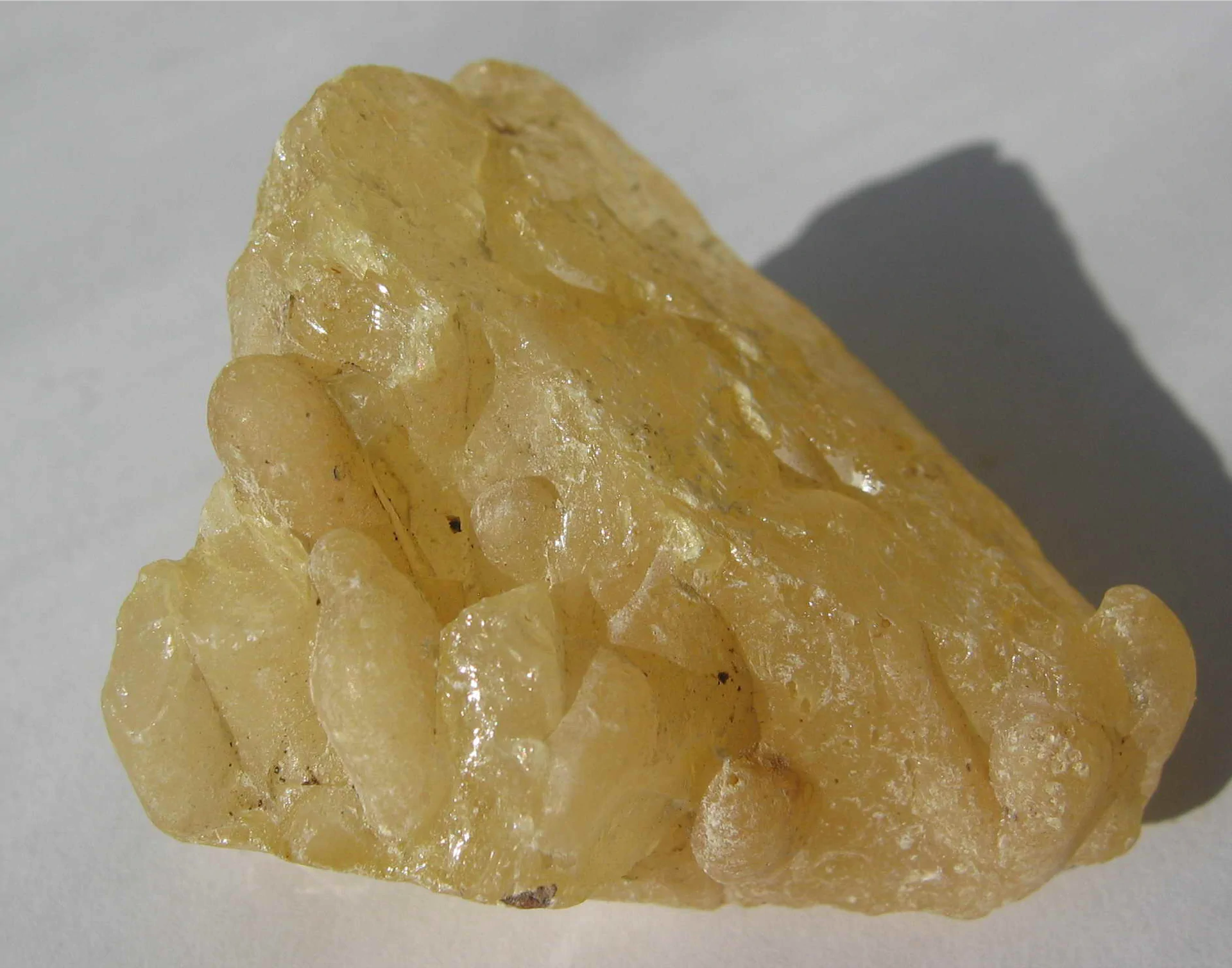
Copular
Amber is fossilised natural resin from both deciduous and coniferous trees, which occurs in nature in a great many types, mainly in tropical areas, but also subtropical ones (New Zealand).
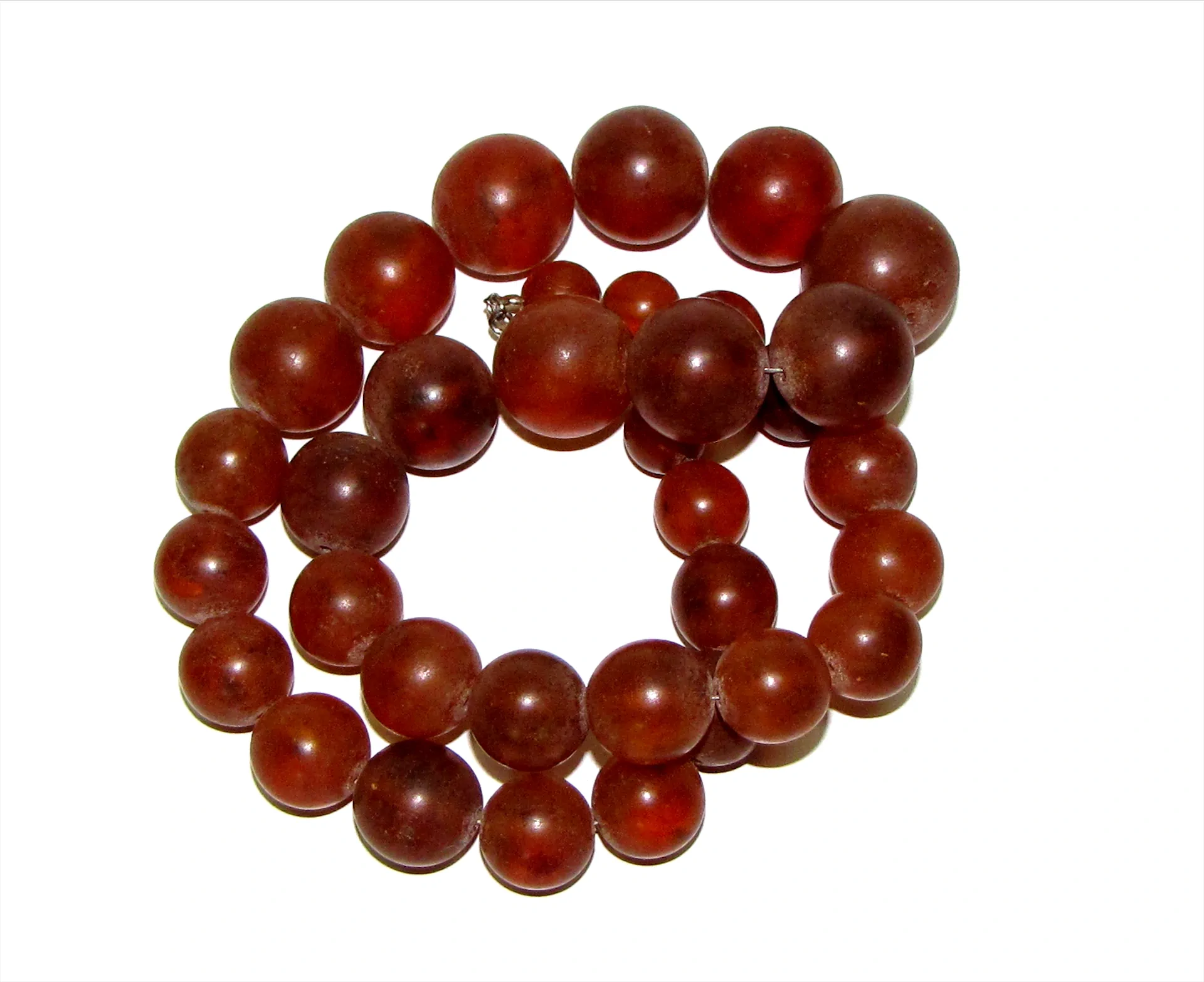
What do we know about amber imitations?
Both natural resins (copals and modern resins) and synthetic resins have been used for the imitation of Baltic amber.
Imitation amber - creation and recognition
Imitations are created to replace traditional and, at the same time, scarce products made from natural raw materials. They are cheaper substitutes. Baltic amber is imitated because it has already earned its place in people's minds; it is highly valued, desired, and sought after by them.
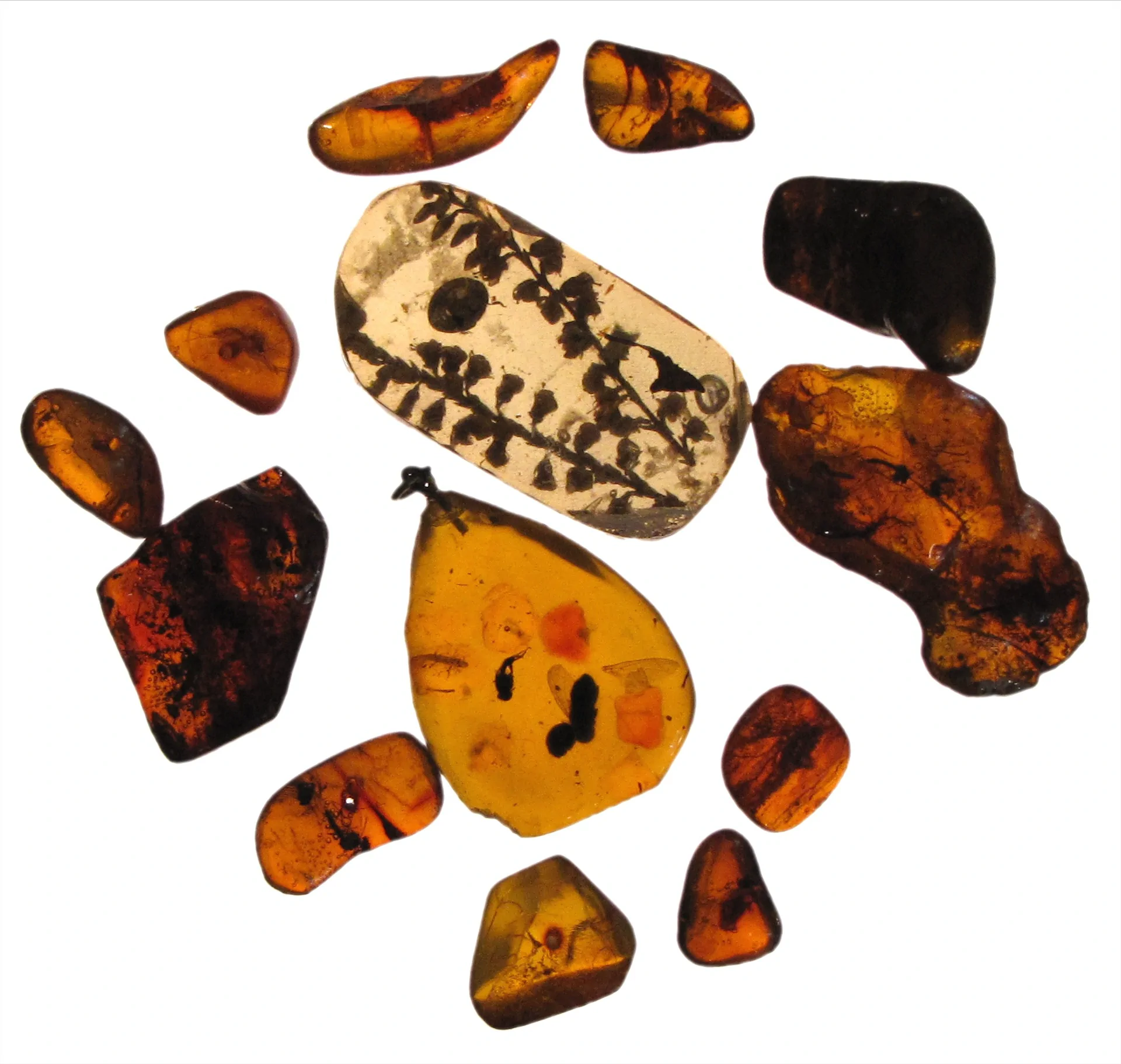
MSB amber classification
The Qualification Committee of Experts of the International Amber Association, at its meeting on 9 May 2005, adopted the following classifications of amber.
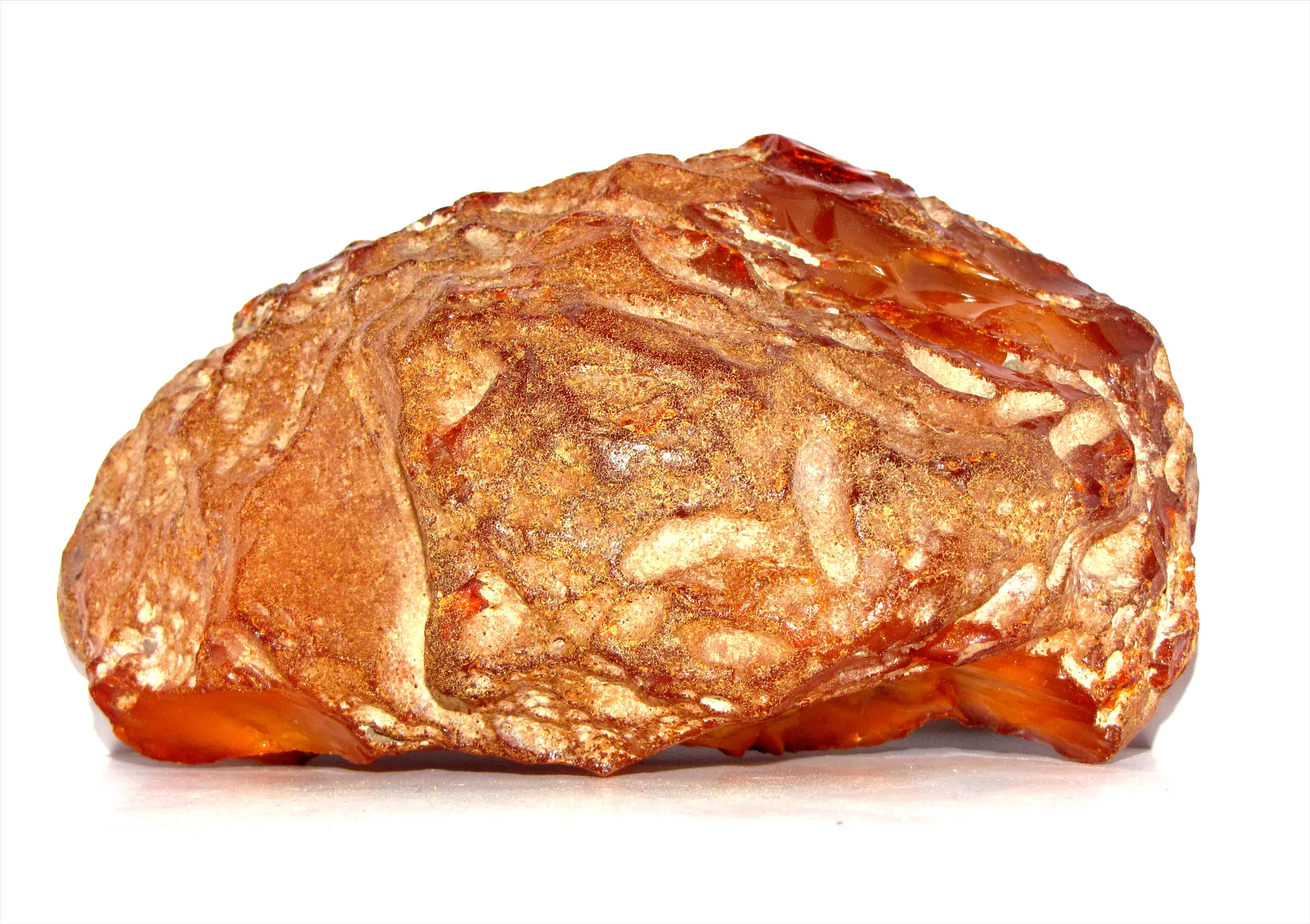
Amber extraction and classification
The number of fossil resins known to science is constantly growing, and according to various authors, it ranges from 100-120, depending on whether specific resins are recognised as distinct, established types. Most of them have no economic importance due to their unsuitability for processing or their negligible occurrence in nature.
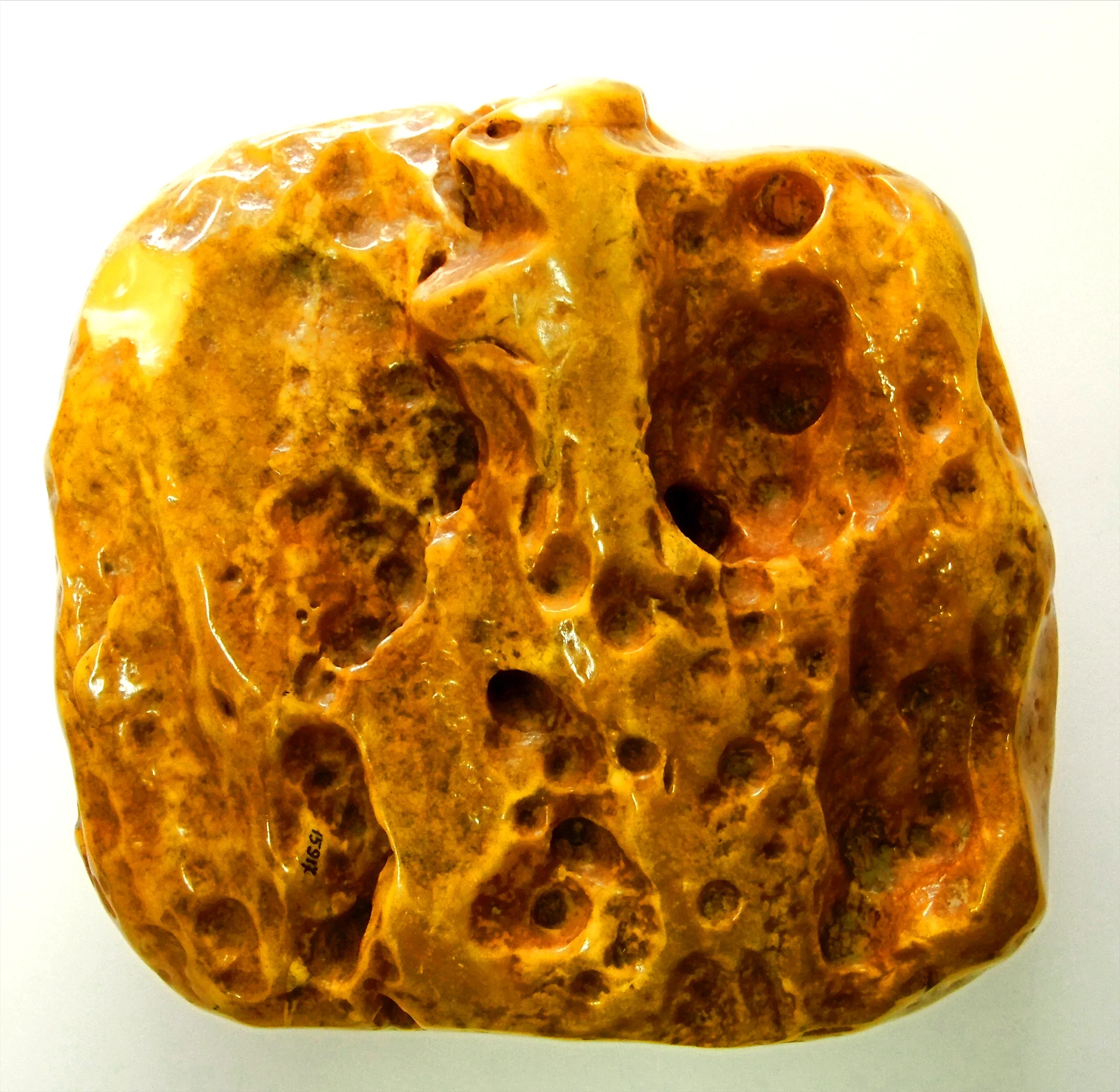
Dominican amber
Dominican amber gained worldwide fame thanks to the film "Jurassic Park". Unfortunately, although this amber has been known in the Old World since the time of Christopher Columbus, due to historical events it played a less significant role on the world amber stage.
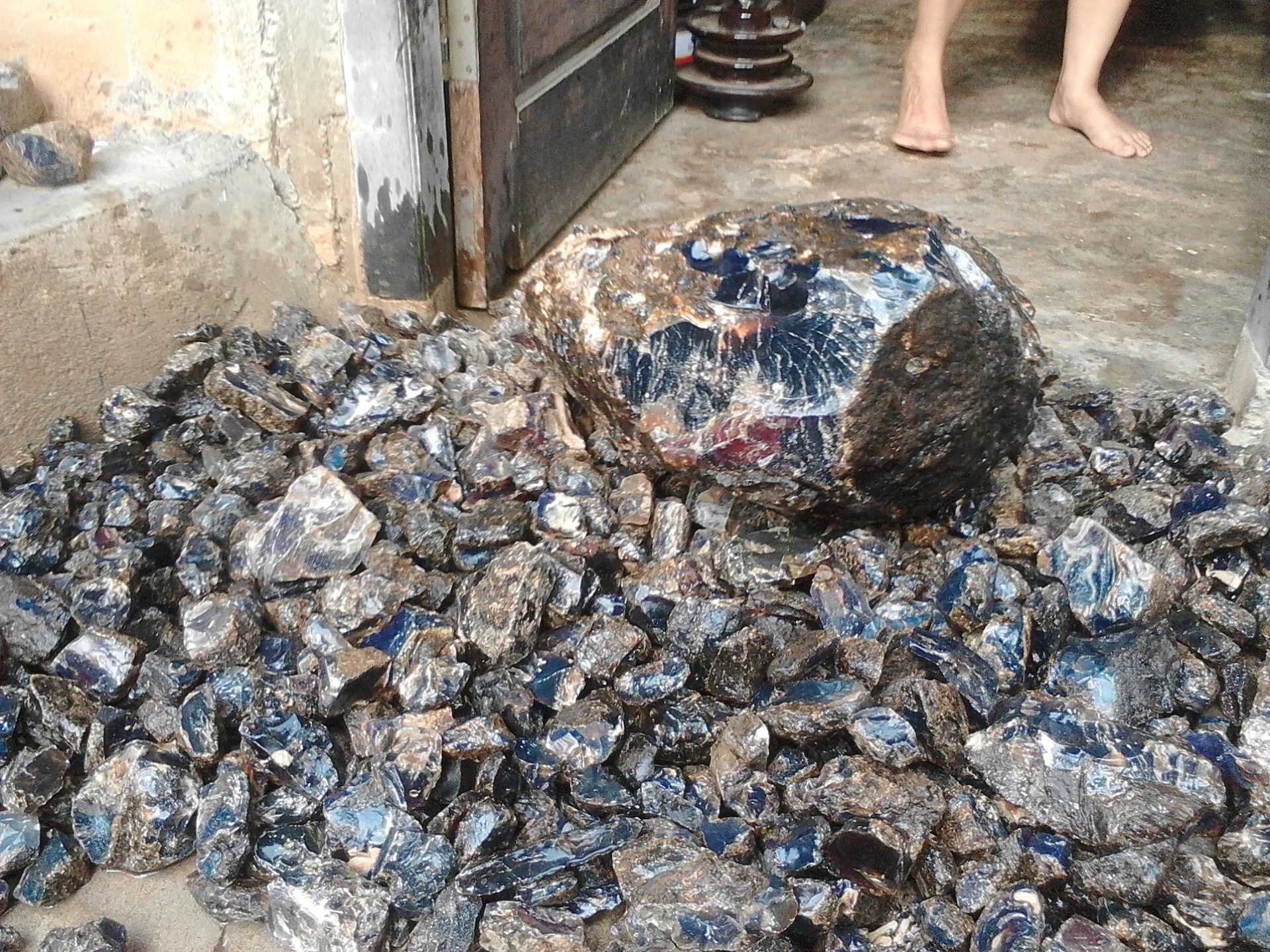
Japanese amber
Thanks to the mediation of Russian amber prospectors from the then Leningrad, who worked periodically in Japan, I have long received samples of fossil resin mined on the slopes of Mount Fuji, near the town of the same name. It is located in the northern part of Japan's largest island, Honshu, on the shores of the Pacific Ocean.
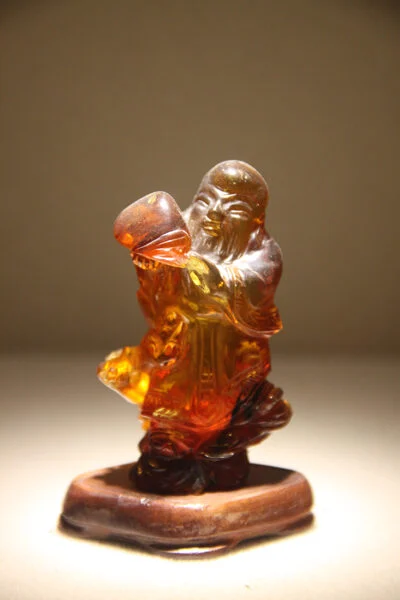
Useful fossil resins
The usefulness of fossil resins is assessed in this paper from the perspective of their suitability for fashioning gemstones and creating works of art and decorative items. The possibilities of using resins in chemical processing or as energy sources are omitted.
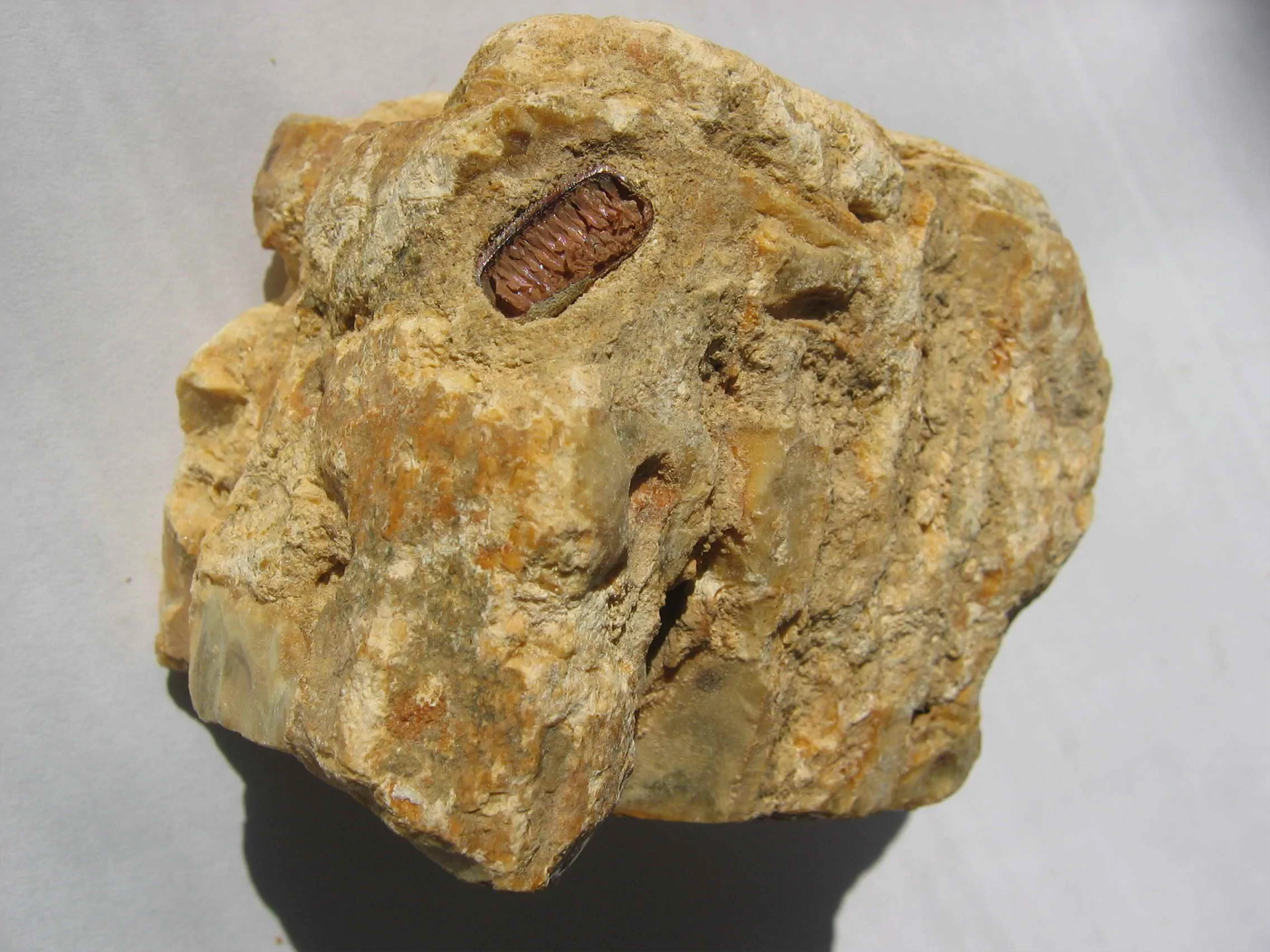
Amber in magic and healing
The magical and healing power of amber has been believed in since ancient times. This belief has survived to this day – amber is currently used in the treatment of rheumatic and thyroid ailments, as well as in cosmetics, among other applications.
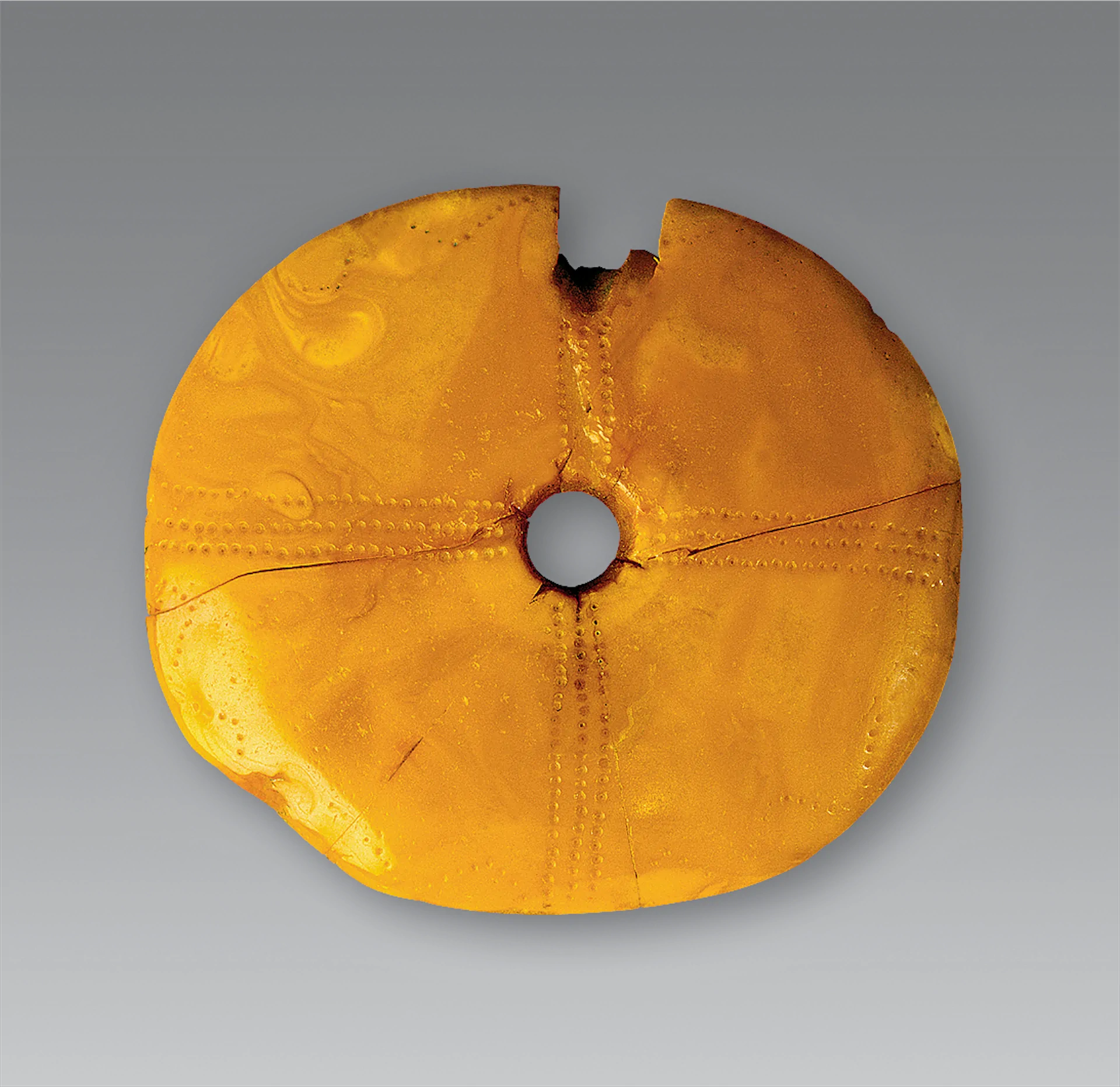
Properties of Baltic amber
Baltic amber (succinite) is a fossilised resin that formed under natural conditions 45 million years ago.
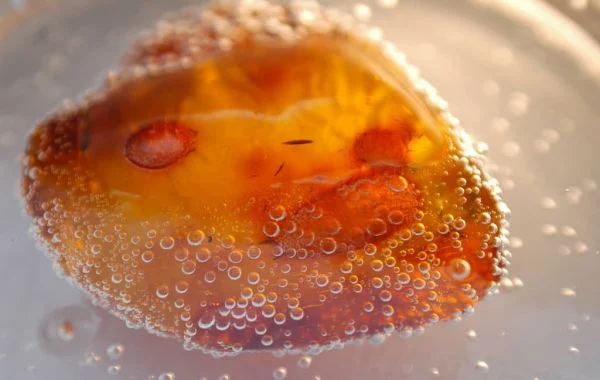
Varieties of Baltic amber (succinite)
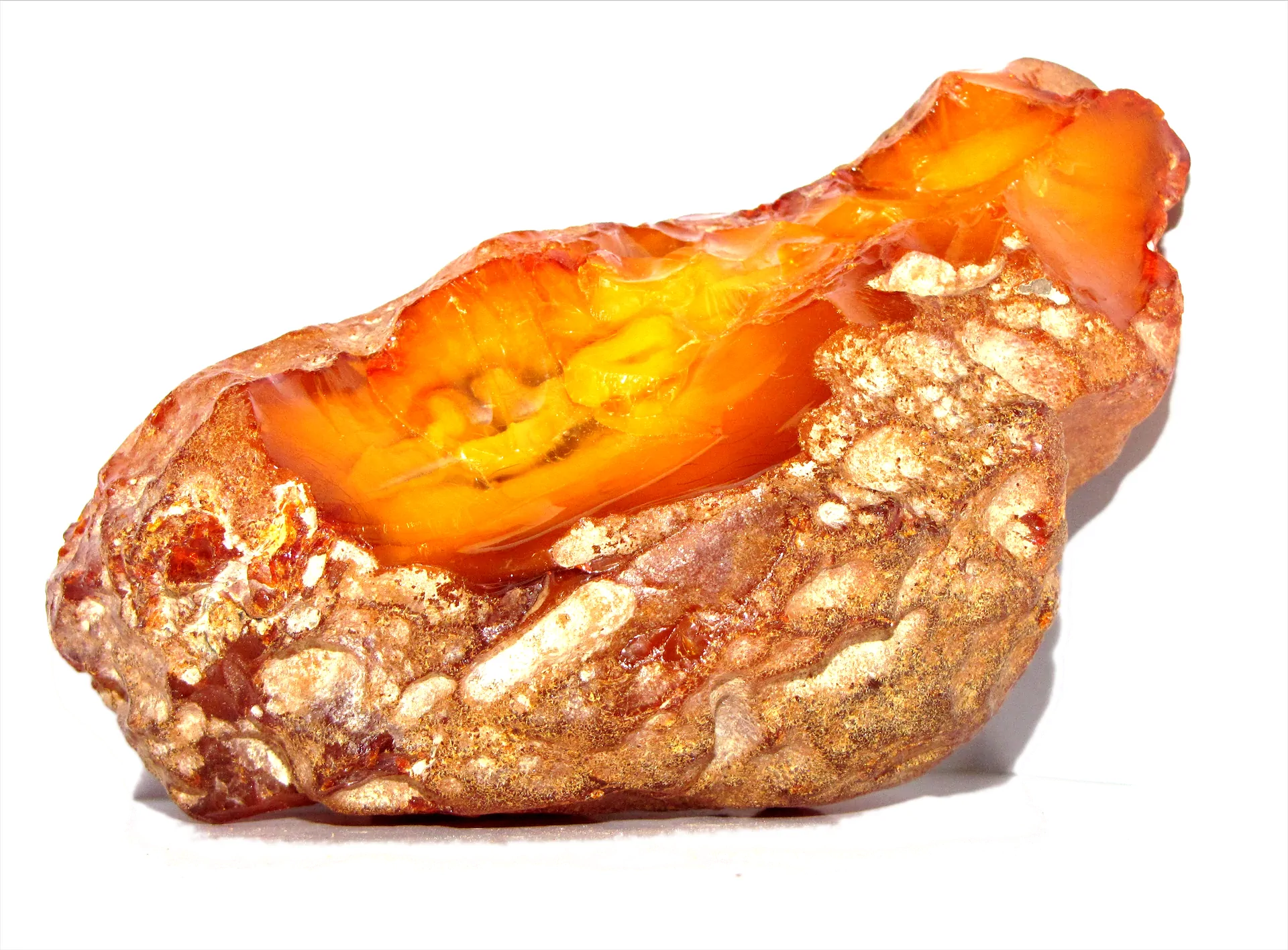
One of the properties of Baltic amber is the richness of its varieties, consisting of a wide range of variations in the degree of transparency and colour of amber – from light yellow through shades of yellow to white, bluish, greenish, beige, and brown hues. This richness of amber colours makes it a sought-after and valued raw material in folk art and jewellery making.
Deposits of amber (succinite)
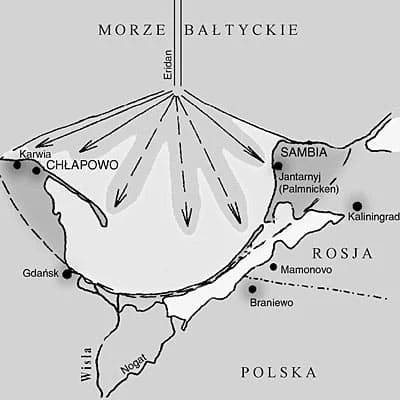
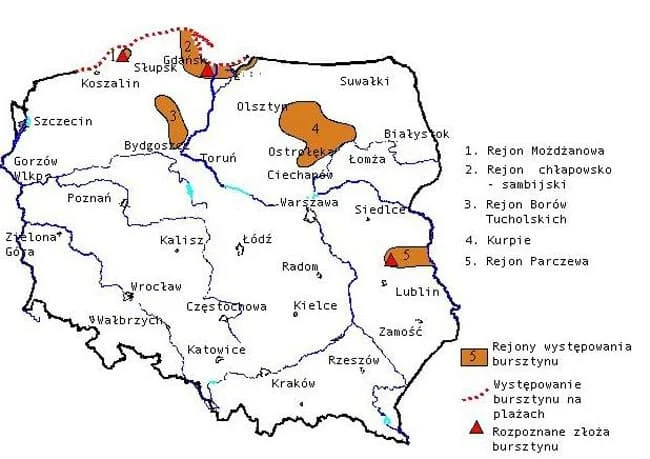
Deposits of Baltic amber which are, or have been, of industrial significance occur only in Russia, Poland, Ukraine and Germany. Therefore, names such as Baltic amber, Ukrainian amber, and Saxon amber (or interchangeably Bitterfeld amber) denote the same type of amber, and are, as it were, synonyms for the name succinite.