Museums and collections of amber
Baltic amber has fascinated collectors, artists and scientists for centuries. In Poland and around the world, one can visit numerous museums and private collections that present extraordinary collections of this „gold of the North”. Exhibitions range from natural specimens with inclusions of prehistoric plants and insects to works of applied art - jewellery, sculptures and decorative objects.
By visiting these places, you can learn about the history of amber, its importance in culture and art, and the process of creating unique amber products. It is a unique journey into the world of natural beauty and human creativity that inspires and delights.
Amber in the collection of the Archaeological Museum in Gdańsk
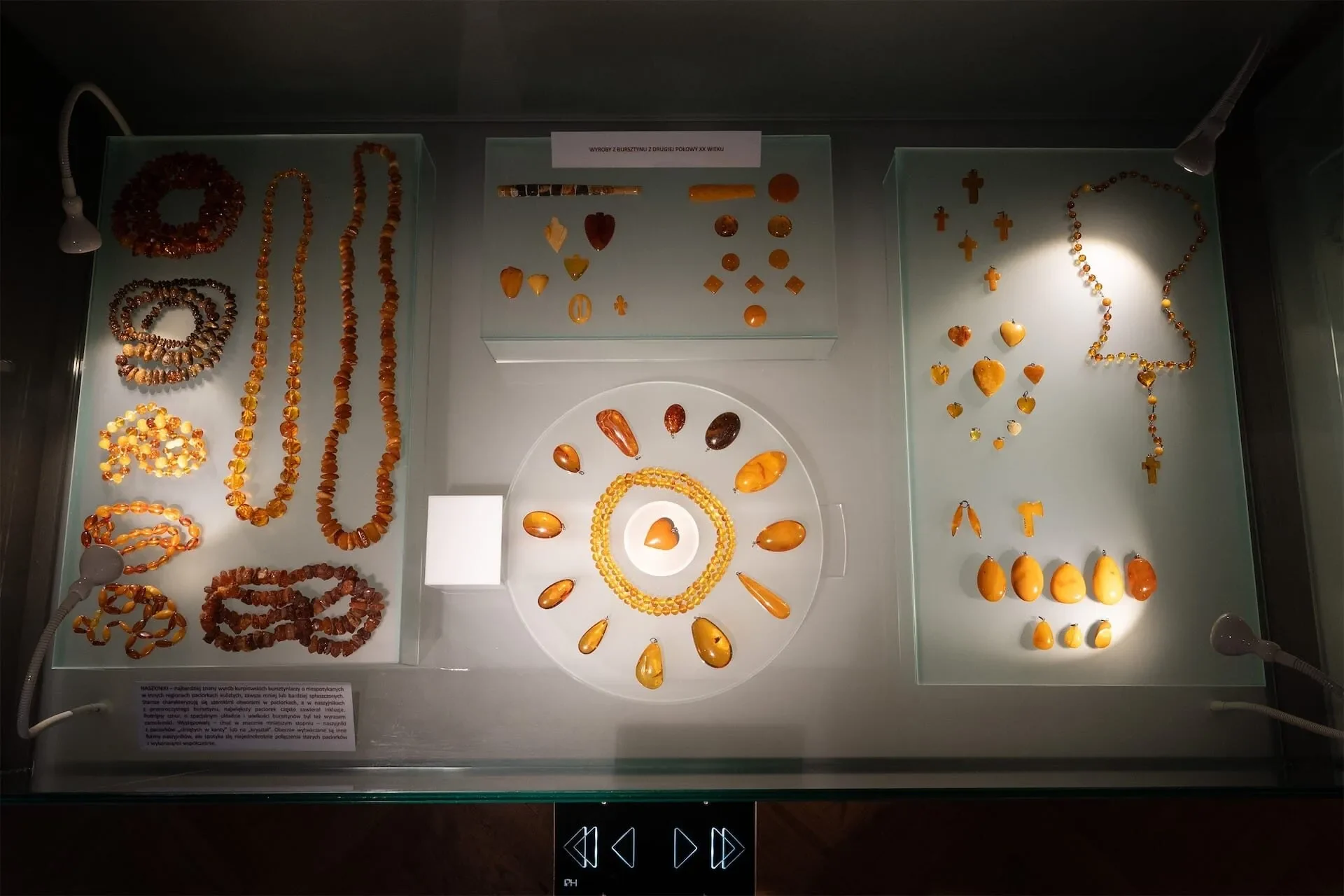
The collection of the Archaeological Museum in Gdansk contains thousands of historical objects made of amber. The oldest ones date back to prehistoric times. These include, for example, amulets associated with ancient beliefs and ornaments created by people living in the Stone Age.
Amber collection in the Dresden Grünes Gewölbe collection
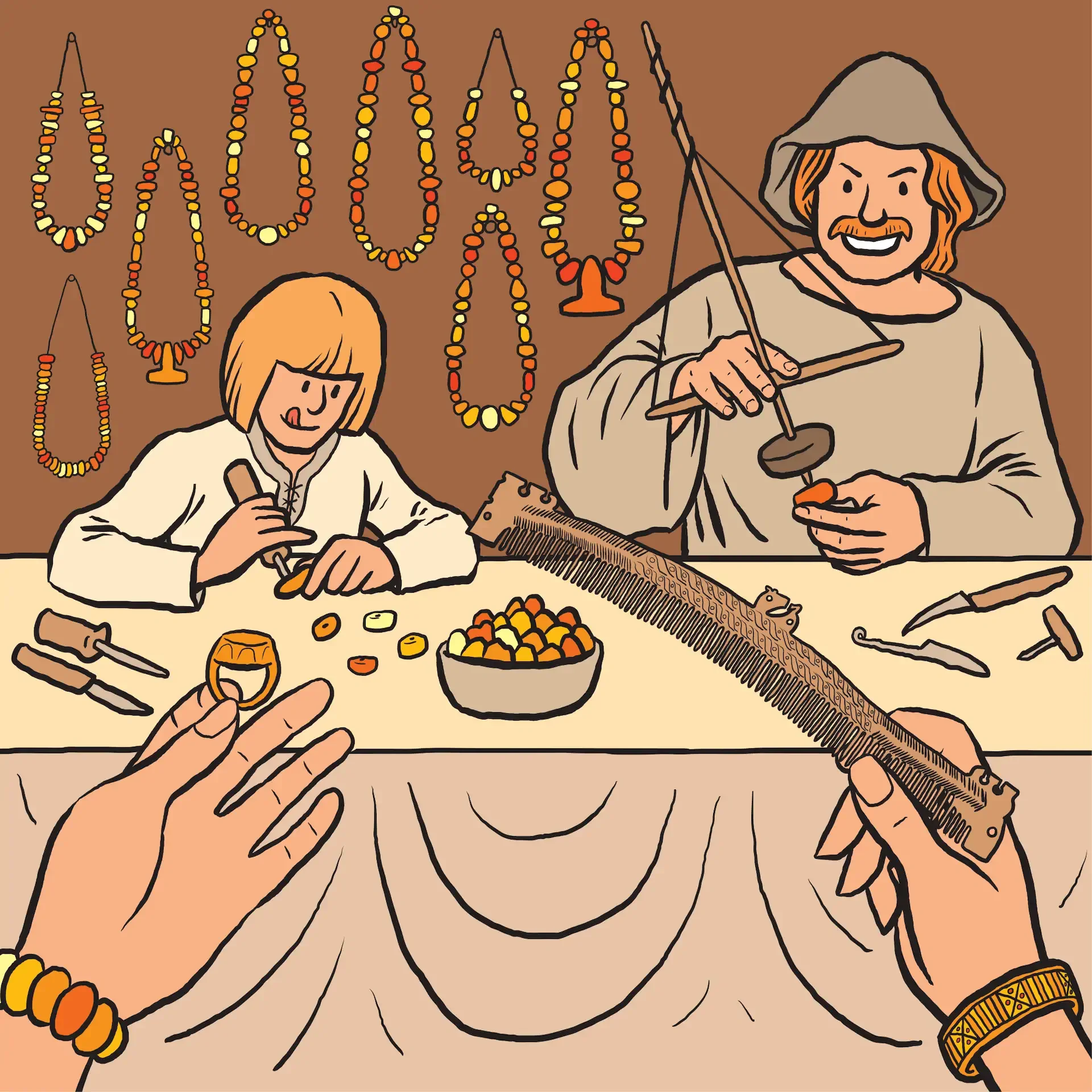
Dresden's Grünes Gewölbe (Green Vault) museum has a unique history, as all objects in the collection were owned by kings and electors of Saxony - they were purchased, acquired or received as diplomatic gifts. Part of the collection is a collection of amber wares created by masters from Danzig and Königsberg.
The Amber Museum in Cracow
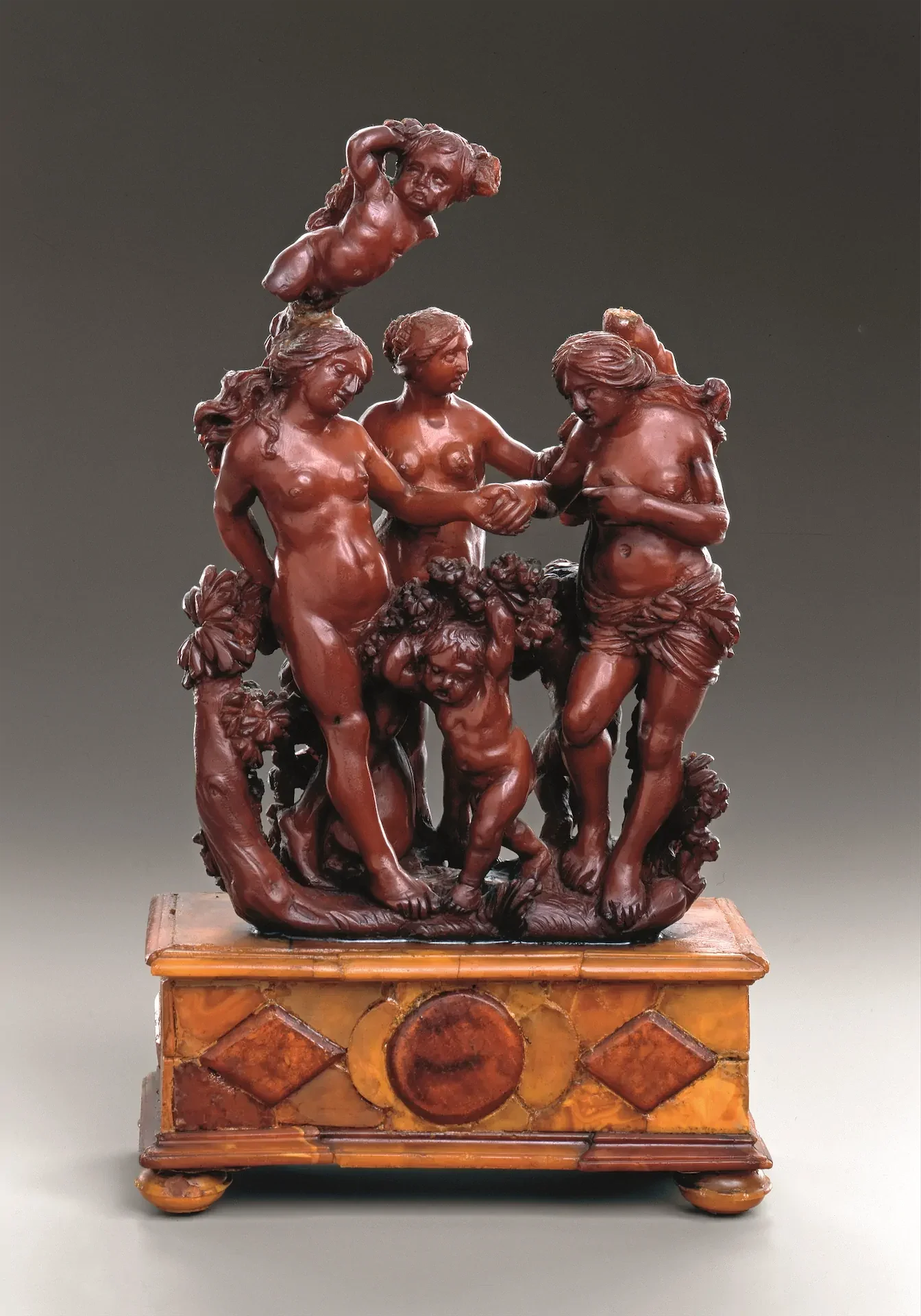
Amber is a fascinating stone - probably no one who has visited the Amber Museum in Kraków has the slightest doubt about that. Here, the history of the Baltic gold mingles with the present - in a way that leaves no one indifferent.
The Amber Museum in Jarosławiec
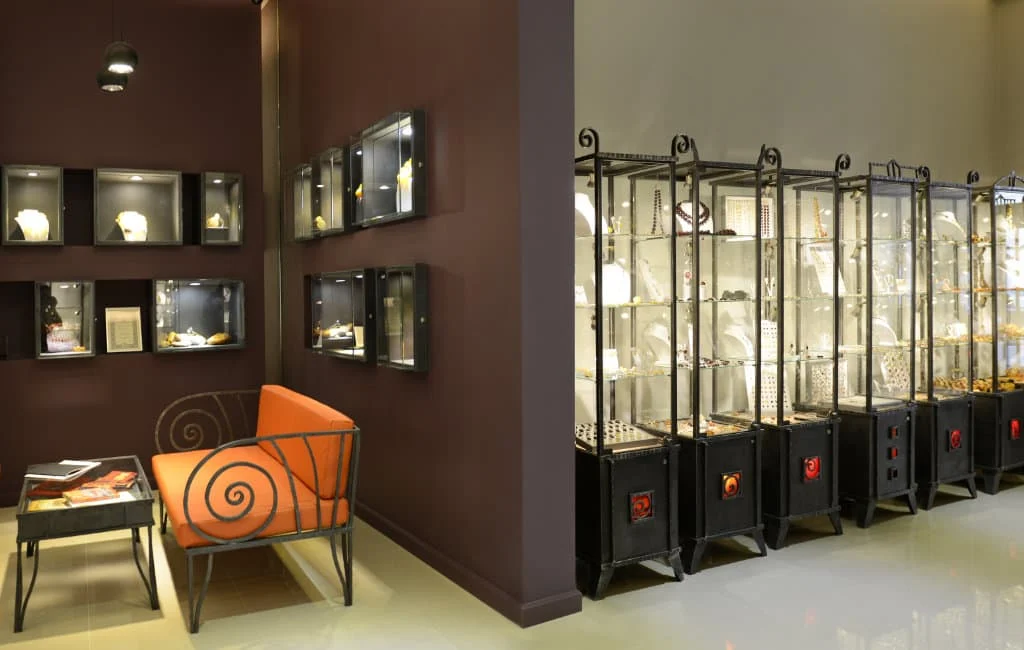
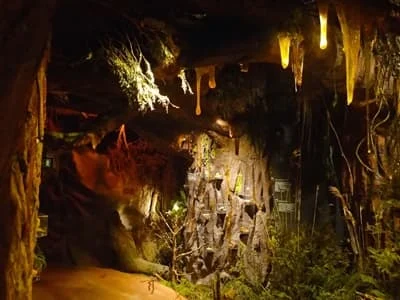
This is not another boring museum - with this slogan the private Amber Museum in Jarosławiec is advertised. It is a place where scenography, images, smells, sounds... tells about amber in an eye-catching way. And, of course, the exhibits.
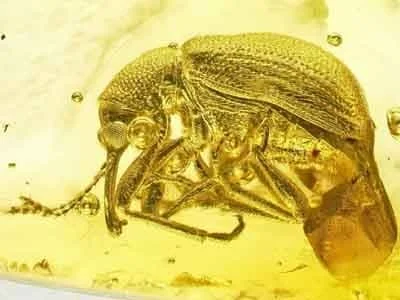
The collection of C. & H. W. Hoffeins, or Paranoia succiniosa
The beginnings of our private collection of amber and inclusions date back to the early 1980s. Like many other amber enthusiasts, in the early years of collecting we were interested in all aspects of amber.
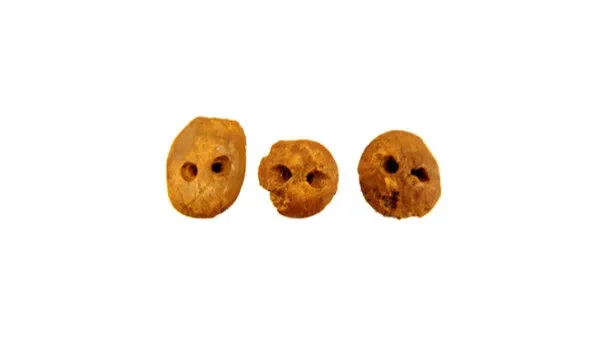
Neolithic amber ornaments from the N.K. Rerich collection in the Hermitage collection
Nikolai K. Rerich's collection was collected in 1902 during excavations at a barrow cemetery located on the northern shore of Lake Szeregordo in Novgorod Governorate.
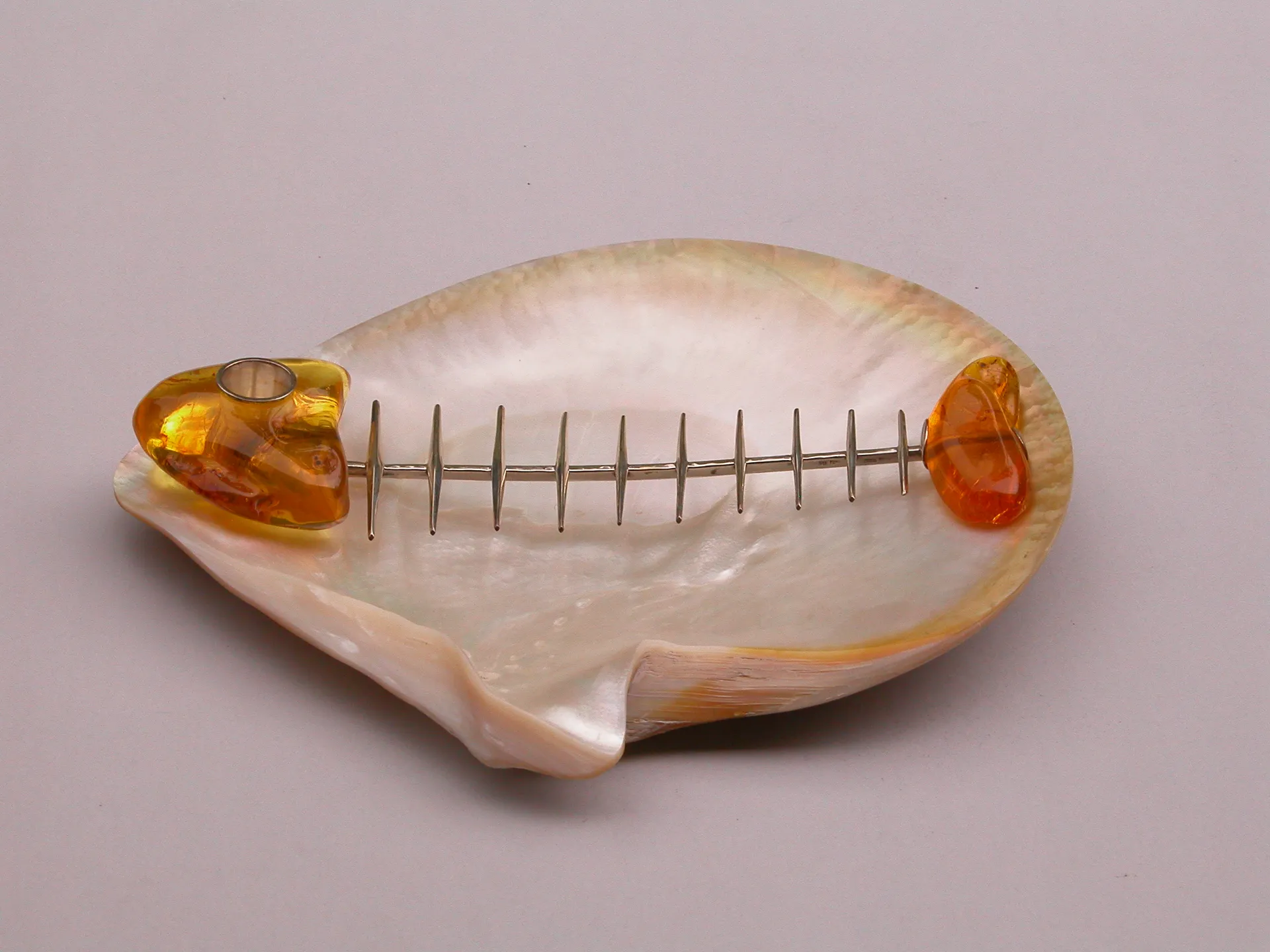
Amber in the Museum of Goldsmiths' Art in Kazimierz Dolny
The new premises of the Nadwiślańskie Museum in Kazimierz Dolny will also house the collections of the Museum of Goldsmiths' Art. An integral part of the rich collection of contemporary goldsmithing forms are works made from amber.
Amber in the collections of Polish museums
The Amber Department of the Museum of the Earth PAS in Warsaw is currently conducting its third search for „Amber in Polish museums”. Findings so far indicate that amber is in the collections of at least 140 Polish museums. This review highlights only selected museum collections.
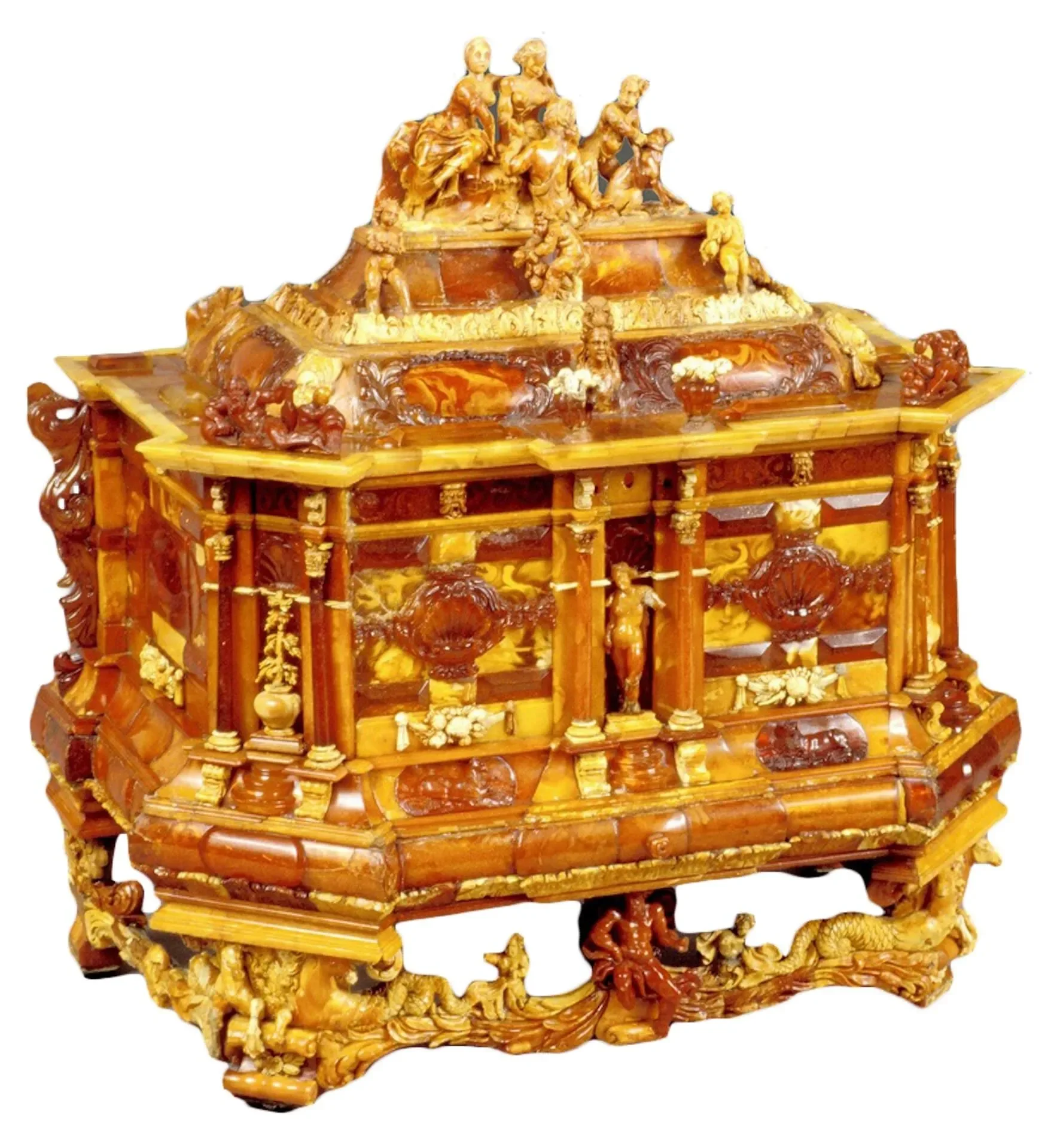
Baltic amber in Gabriela Gierłowska's collection
This collection, now numbering more than 10,000 objects, is gathered for scientific, research and exhibition purposes. It is related to my work as an amber expert, and is helpful in assessing the quality of the material and determining the technological processes it has undergone.
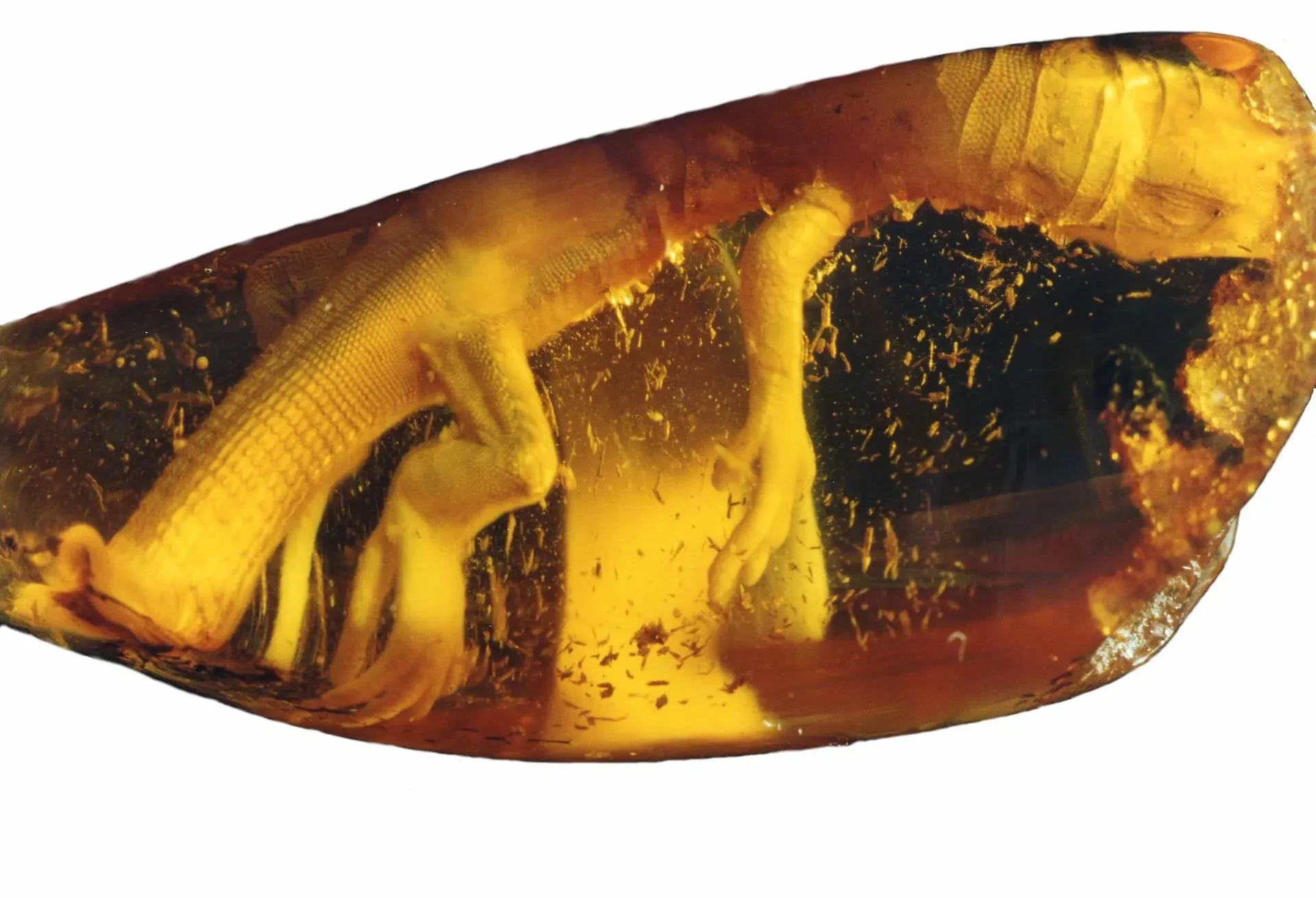
Amber works in the Kremlin Armoury
The Kremlin Armoury houses one of the largest collections of medieval and modern wares in the world. It includes more than 100 magnificent works of pure amber or precious metal decorated with amber stones, which are still preserved today, and forms the most important part of the so-called „naturalia department”.
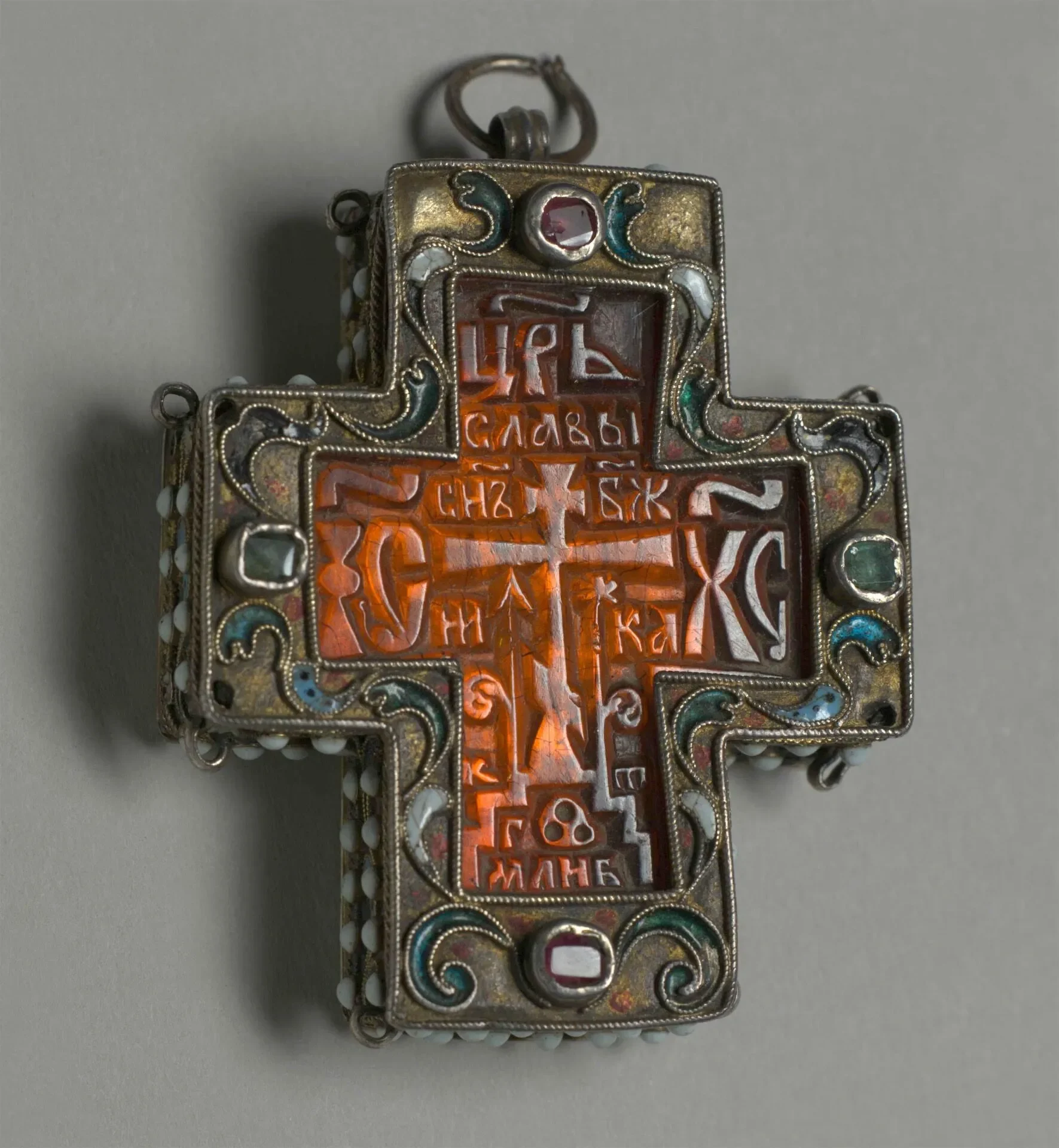
Archaeological Museum of Aquileia
Aquilea was one of the most prosperous craft centres of the Roman Empire in antiquity. Founded in 181 BC as a trading settlement, it became famous as a place for the production of bronze and glassware. However, amber imported from the Baltic Sea from the first century AD onwards contributed to its true fame and prosperity.

Amber artefacts in Swedish museums
Amber products from Gdansk and Königsberg made during the heyday of the craft, i.e. from the 16th to the mid-18th century, arrived in Sweden by various routes.
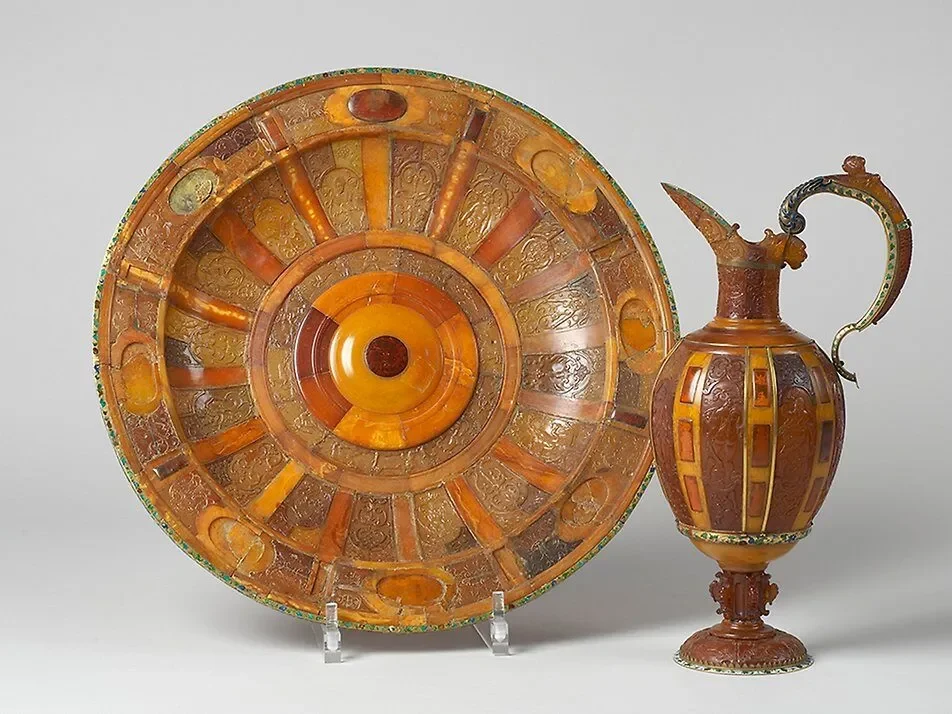
The amber collection at the Victoria & Albert Museum in London
Established in 1852, London's Victoria and Albert Museum is one of the world's largest art museums, with 4.5 million exhibits. The world-class collections include collections of applied and decorative arts spanning 3,000 years, from the oldest Eastern cultures to the present day.
Amber Museum in Kaliningrad
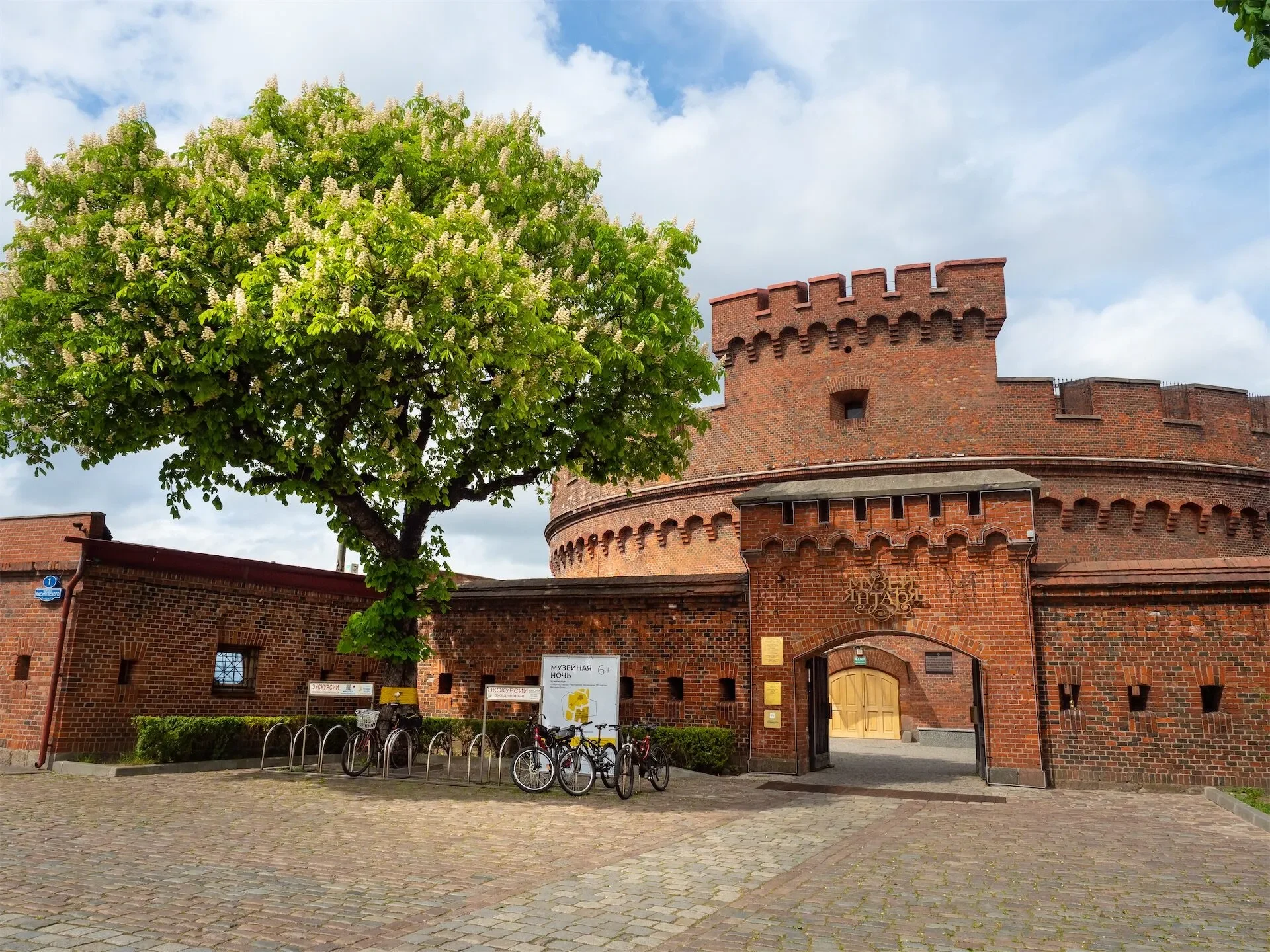
The Kaliningrad Amber Museum - Russia's only state museum dedicated to the sun stone - opened in 1979. It is located in the centre of Kaliningrad on the shores of the Upper Lake in a defence tower from the mid-19th century.
Hermitage amber collection
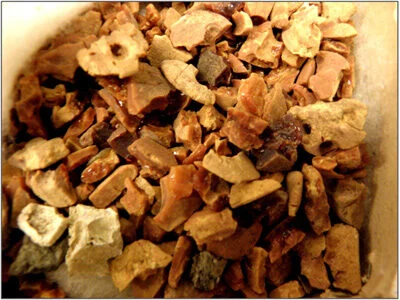
In this great St Petersburg museum, which impresses with its magnificent collections of works of art, tsarist prizes and many other dizzyingly expensive objects, the amber collection is relatively modest. It numbers only 105 items, with some of them being multi-piece sets, such as a chessboard with 32 figures or a flirt game (a large casket with four smaller ones inside, a...
Amber collection at the palace of Catherine I in Tsarskoye Selo
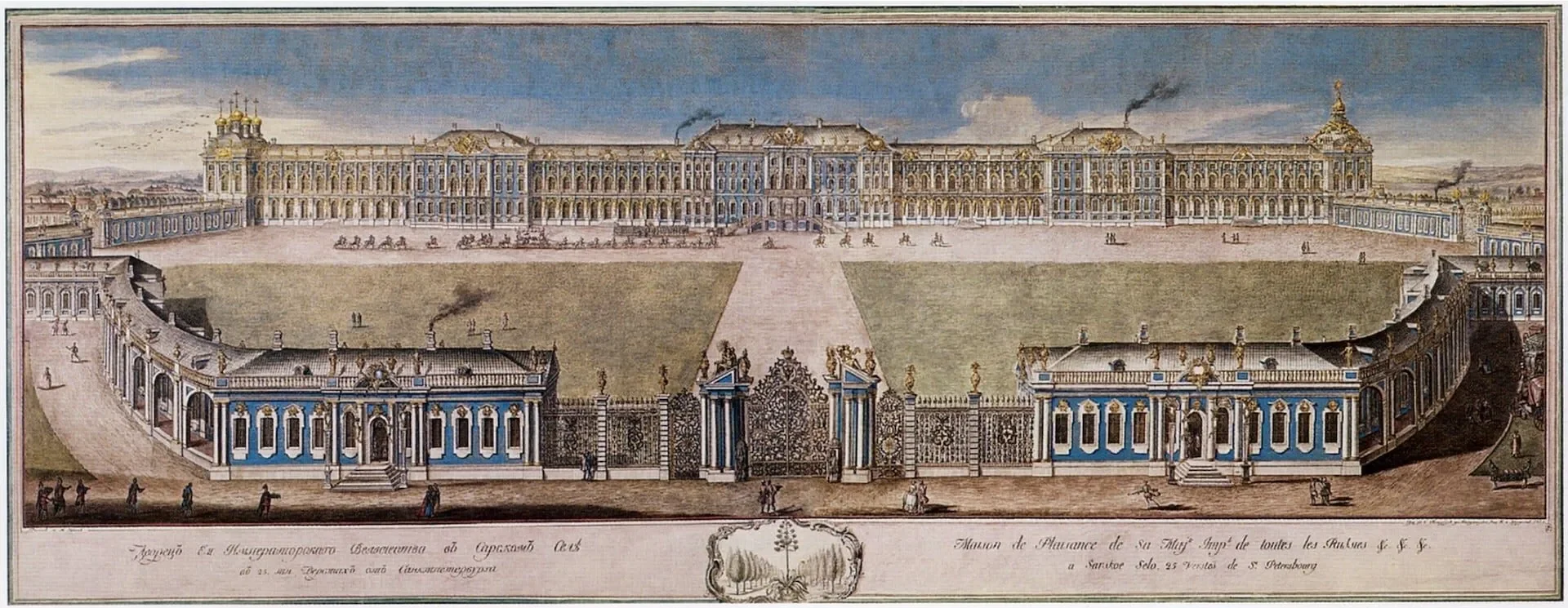
The former summer residence of the Russian tsars, the most important building of the large palace and park complex "Tsarskoye Selo", was renamed the Palace of Catherine I - wife and later successor of Peter I to the throne of the Russian Empire - at the beginning of the 20th century.
Amber in the museums of Berlin
Berlin's collections of modern artistic amber artefacts - although mostly quite late, as they date back to the early 18th century - represent the highest class in terms of craftsmanship, the scale (size) of the objects, the artistic level and the interesting content of the representations, both sacred and secular.
Amber collection at Rosenborg Castle in Copenhagen
The collection of Rosenborg Castle in Copenhagen houses a large and very interesting collection of amber wares. These works are not grouped together in a single exhibition dedicated only to amber, but are scattered among the other magnificent treasures collected here. The peculiarity of the collection here and the way it is presented has its historical justification.
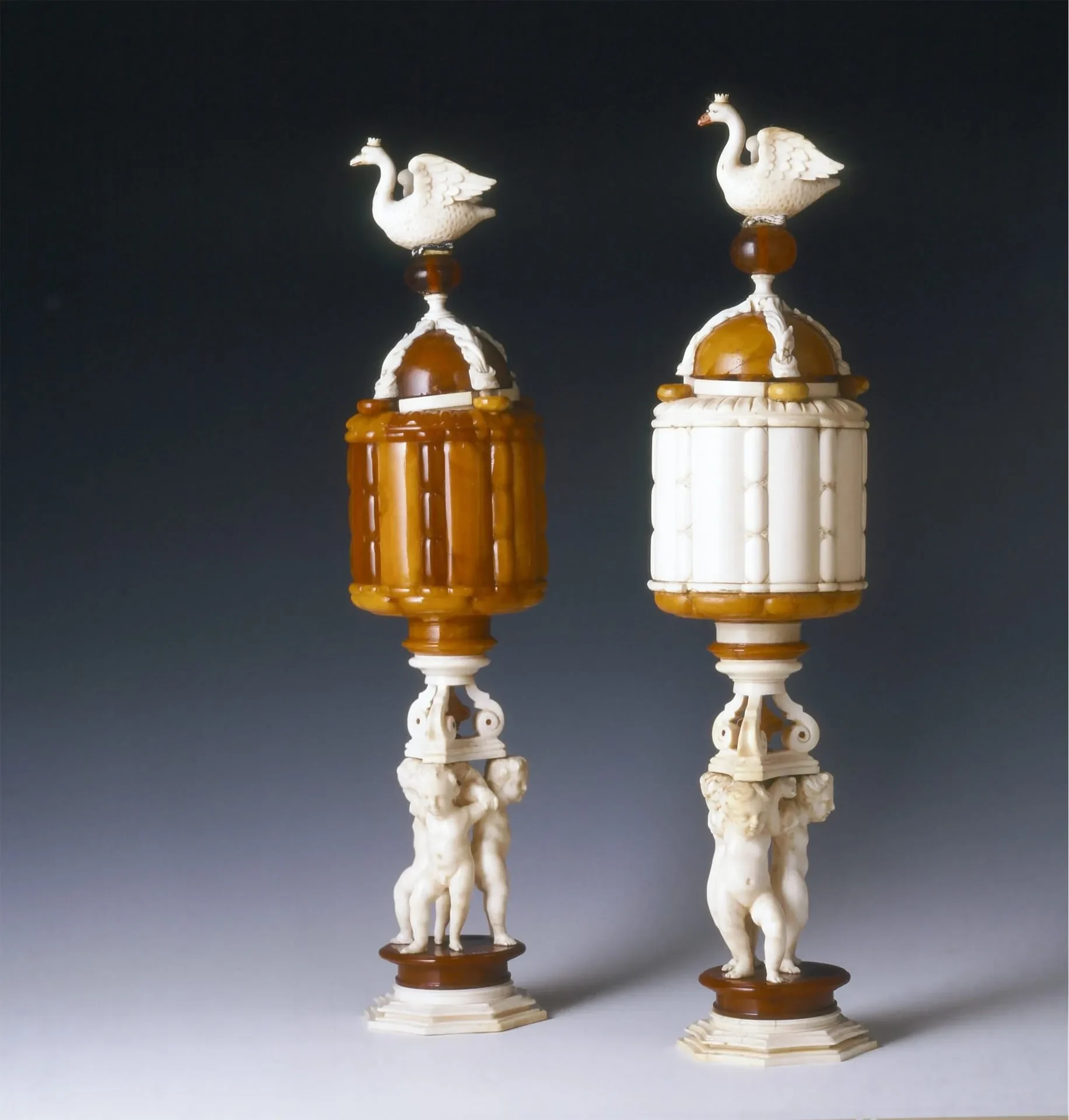
Museum of the History of Art in Vienna
The Vienna Museum of Art History, with its headquarters on the Ringstrasse, has an extensive collection of amber wares, forming part of various collections. However, only a few are part of permanent exhibitions.
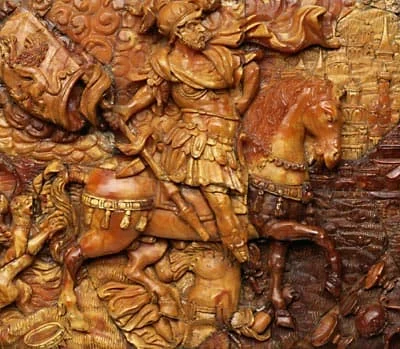
Natural History Museum of the Polish Academy of Sciences
The Natural History Museum of the Institute of Systematics and Evolution of Animals of the Polish Academy of Sciences in Krakow originates from the Physiographic Commission, which was established in 1865. The first exhibition was opened to the public in 1888 - these were the geological and ornithological collections shown on an area of 265 m2 in the rooms of the building on Slawkowska Street in Krakow.
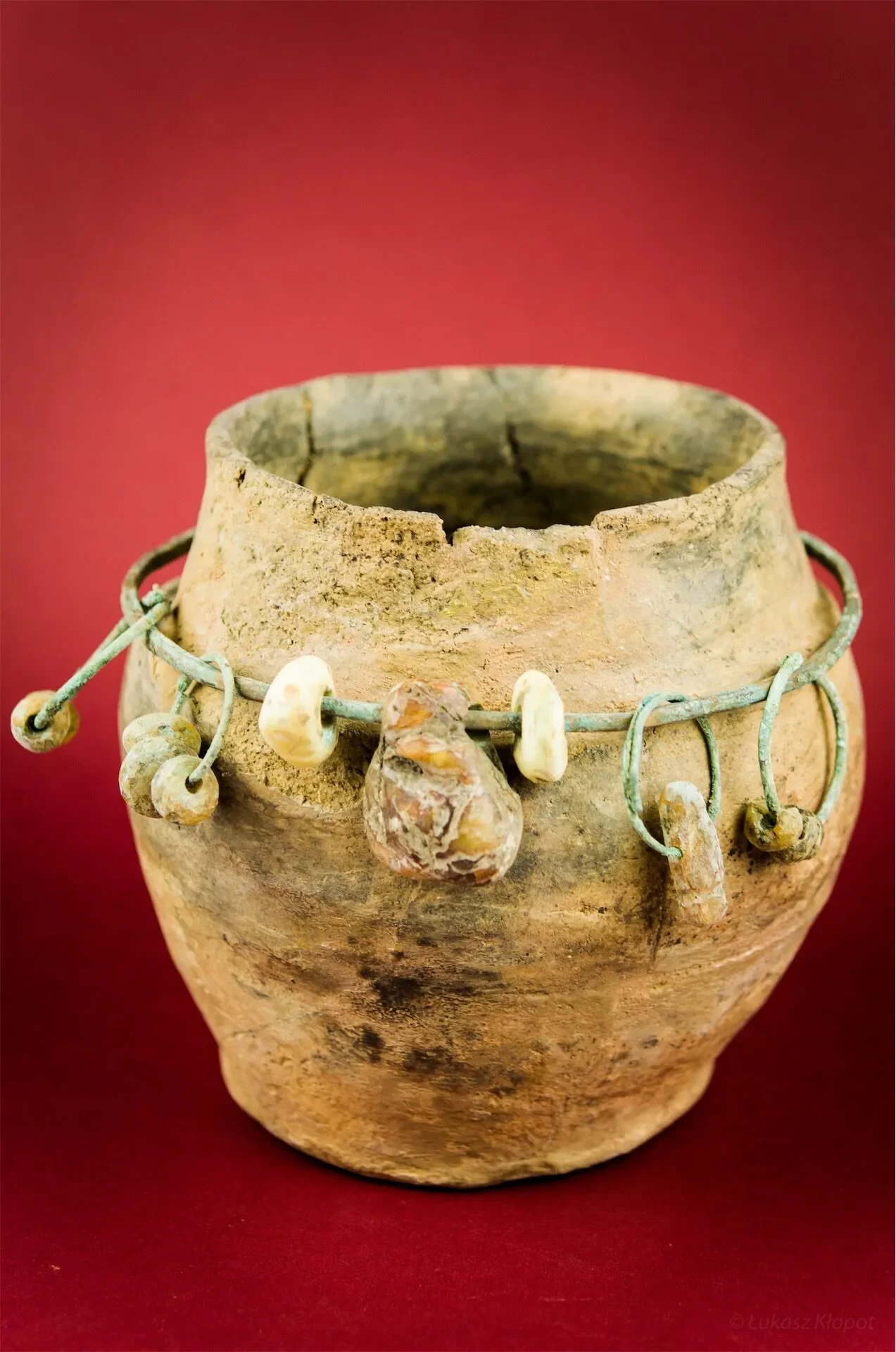
North-Mazovian Museum in Łomża - exhibition „Amber in the Narew River Basin”.”
The Mazovian Museum in Łomża has been discovering the rich history of amber for years. Through its unique collections and exhibitions devoted to this „gold of the North”, the institution shows how important a role amber played in culture and trade in the lands of north-eastern Poland.