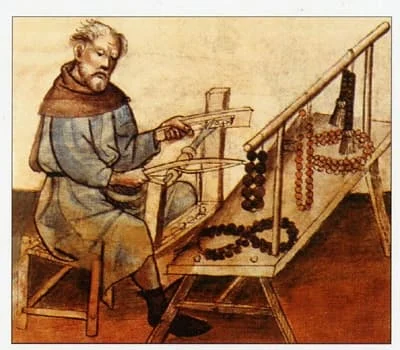
History of amber
Since the most ancient times, the magical power of amber was believed in and amulets, figurines and ornaments were made from it. Amber was known to the ancient Greeks and Romans, who highly valued its decorative qualities. Gdańsk played a huge role in the history of its processing - the period from the 16th to the 18th century is referred to as the golden age of amber art. Its history is constantly being created - in factories and craftsmen's workshops and in the studios of visual artists....
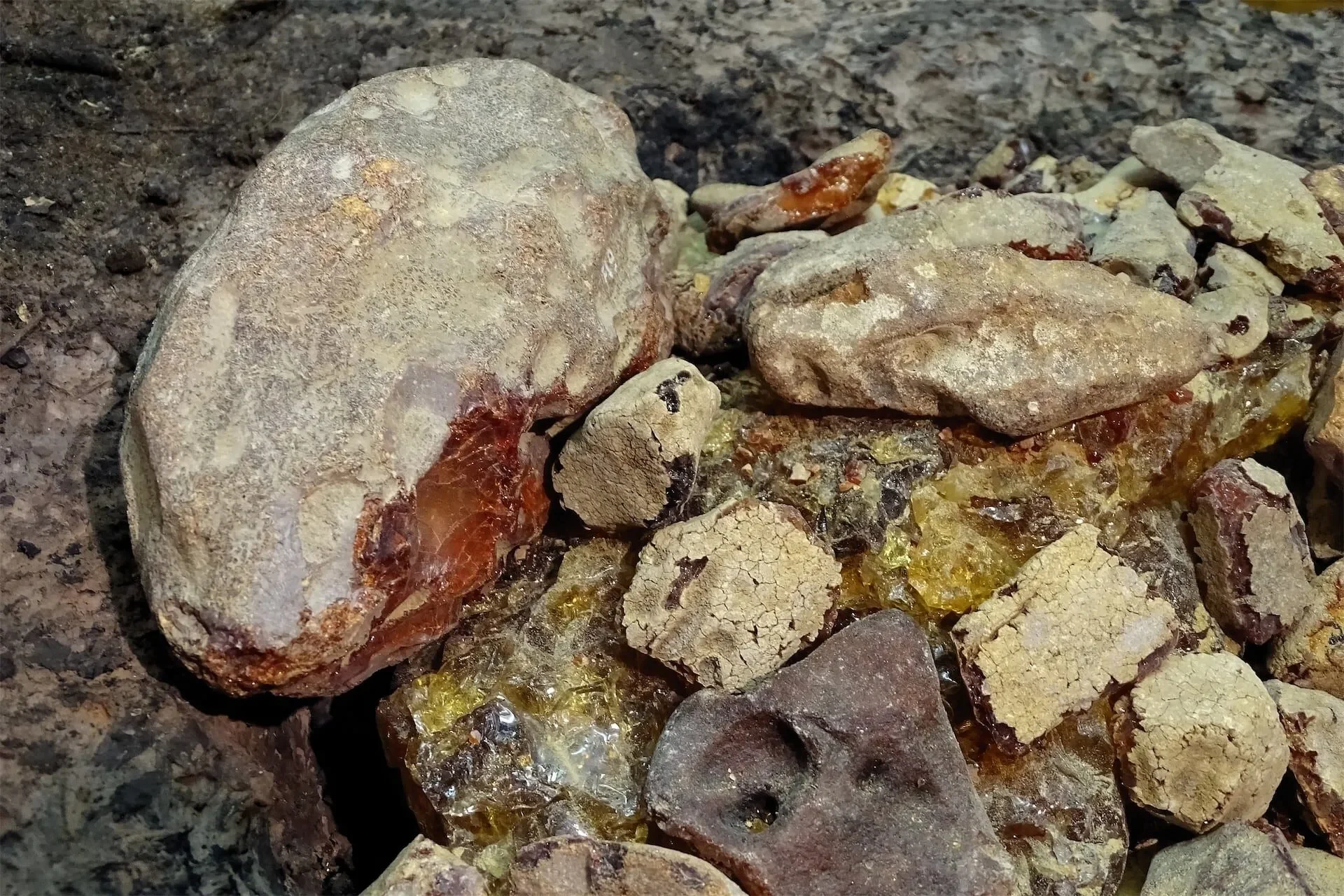
Giant Parthenium amber „treasure” from Wrocław
The huge stockpile of unprocessed amber found in the first half of the 20th century at Partynice in Wrocław has entered the scientific literature permanently because of its record size - the largest in the world according to my search - but also because it is one of the few strong pieces of evidence for the amber route.
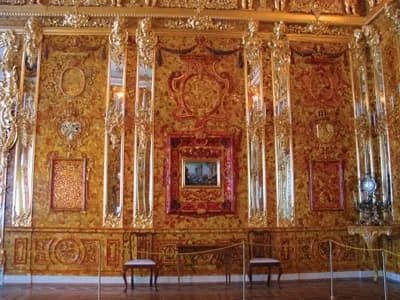
10 years of the amber chamber
2013 marks the 10th anniversary of the completion of the restoration of the Amber Chamber. During this period, the chamber has already been viewed by several million people and interest in it has not waned so far.
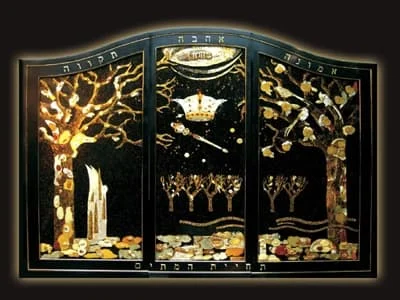
Contemporary references to ambering from the turn of the 17th and 18th centuries
The abundance of amber mined in the second half of the twentieth century, especially in the 1990s, has contributed to its becoming bland. The great amber objects created today no longer arouse as much interest and admiration as they did three hundred years ago.
Amber in the Teutonic Order state of Prussia
Already from around the 10th century in Gdansk Pomerania, the amber raw material, which was highly profitable for trade, was subject to the ducal regale, i.e. all the material acquired was the property of the ruler of the area.
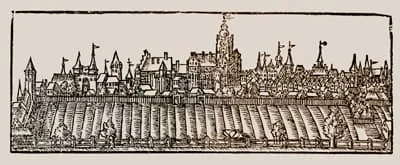
Amber terra incognita part 2: About the Estes who did not want to explore the nature of amber
The story of the Estes is a good example that even very good sales of amber without expanding knowledge of it can end as abruptly as it began.
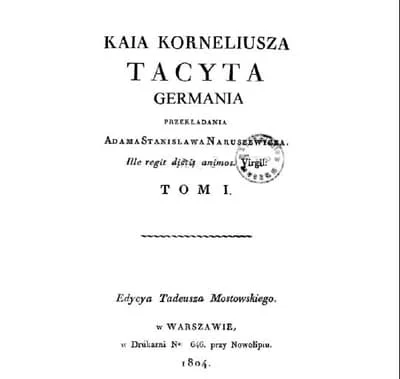
Amber terra incognita
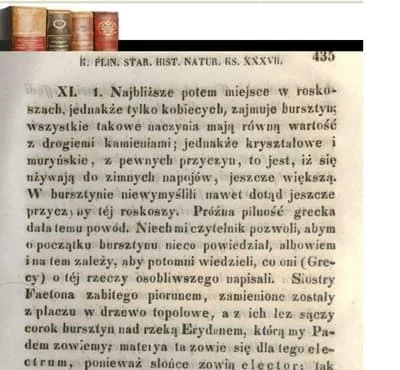
In ancient Rome, amber was valued like an exceptional precious, claimed Pliny the Elder. May elegant women all over the world, with our help, begin to emulate the ancient Romans in this respect!
Reconstruction of the Lost Chamber
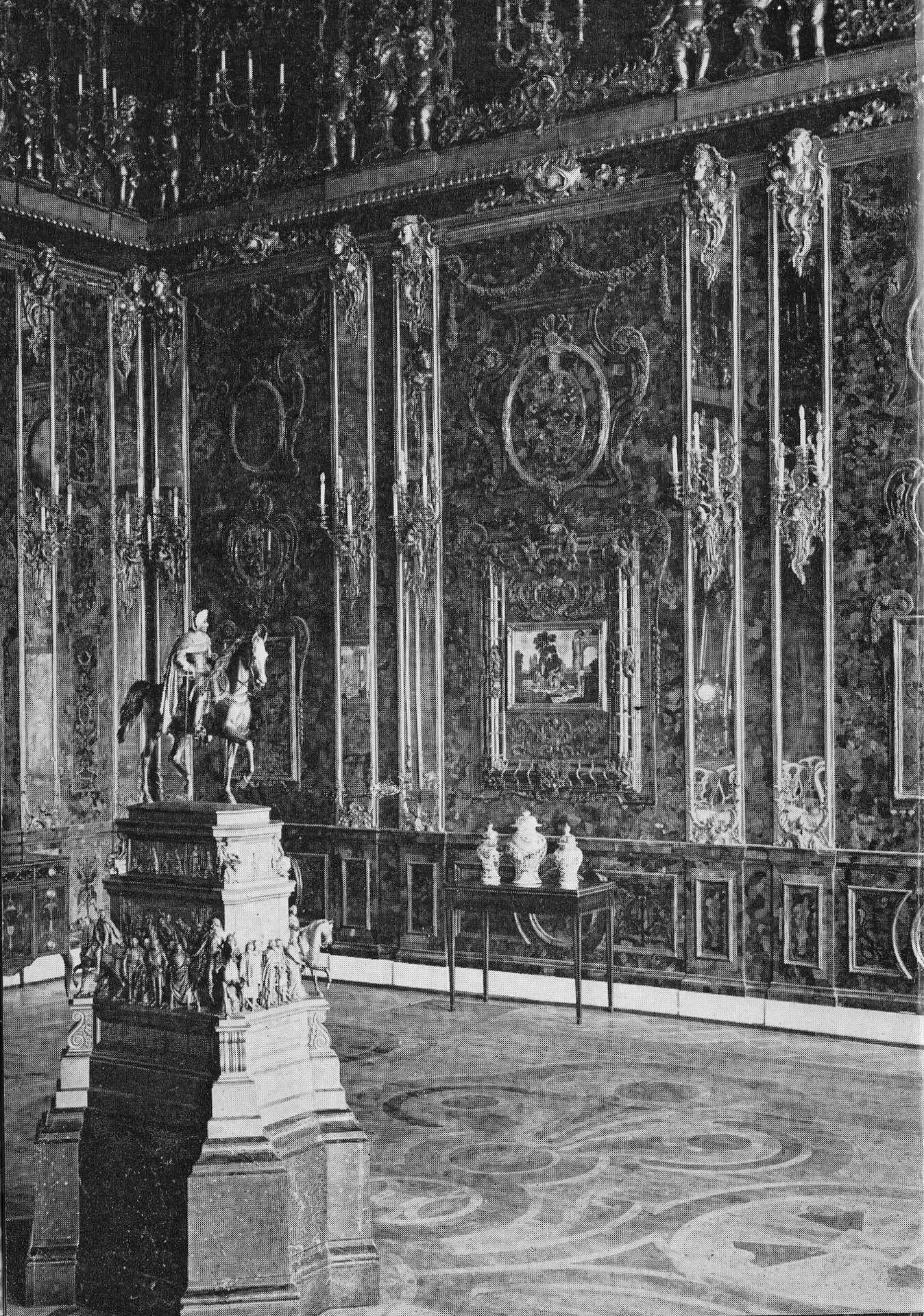
The original antique wall decoration of the Amber Chamber in the Catherine Palace located within the Tsarskoye Selo palace and park complex, looted on 17 September 1941 by German sappers from the 552nd Wehrmacht regiment, disappeared without a trace at the end of the Second World War.
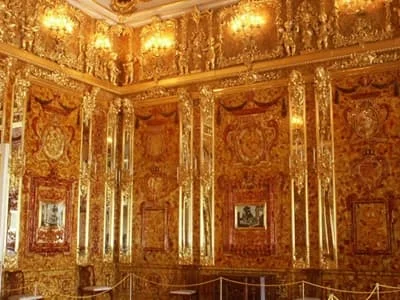
Amber Chamber in the tsar's palaces
The Amber Chamber remains, in the field of amber art, the most famous work of art of all time, although no one alive today has had the opportunity to see it since August 1944, when it was packed in airtight boxes at the Königsberg Castle and then transported to an unknown location.
Amber in the palace of Catherine I at Tsarskoye Selo
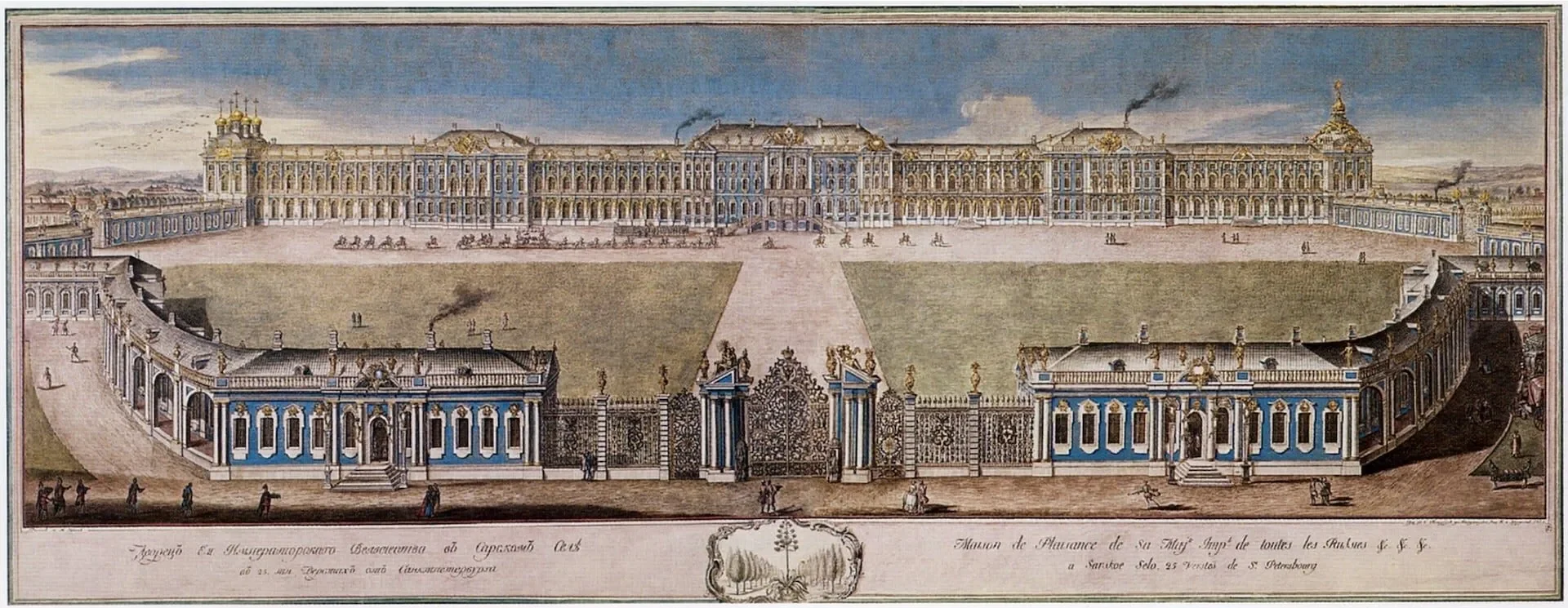
The former summer residence of the Russian tsars, the most important building of the large palace and park complex "Tsarskoye Selo", was renamed the Palace of Catherine I - wife and later successor of Peter I to the throne of the Russian Empire - at the beginning of the 20th century.
Amber cabinet of King Frederick I
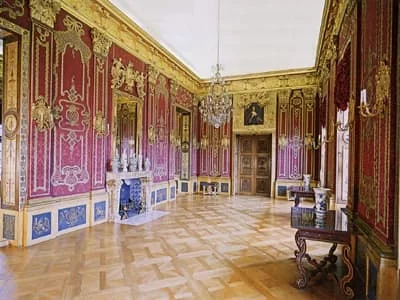
The amber cabinet in Berlin's City Palace was to realise the aspiration for splendour of Prince-Elector Friedrich III, who crowned himself on 18 January 1701 as "King in Prussia Friedrich I", in the henceforth sovereign state of Prussia.
Amber in the art of the 16th - 18th centuries
During the heyday of the amber craft, i.e. from the 16th to the early 18th century, two manufacturing centres dominated: Gdańsk and Königsberg. The guilds of amber makers in the other Baltic cities: Słupsk, Kołobrzeg, Koszalin and Elbląg, were of secondary importance.
Principles of amber guilds in Baltic towns
Amber makers (Paternostermachere, Bornsteindrehere) belonged to the luxury crafts corporation, as did goldsmiths and pearl embroiderers.