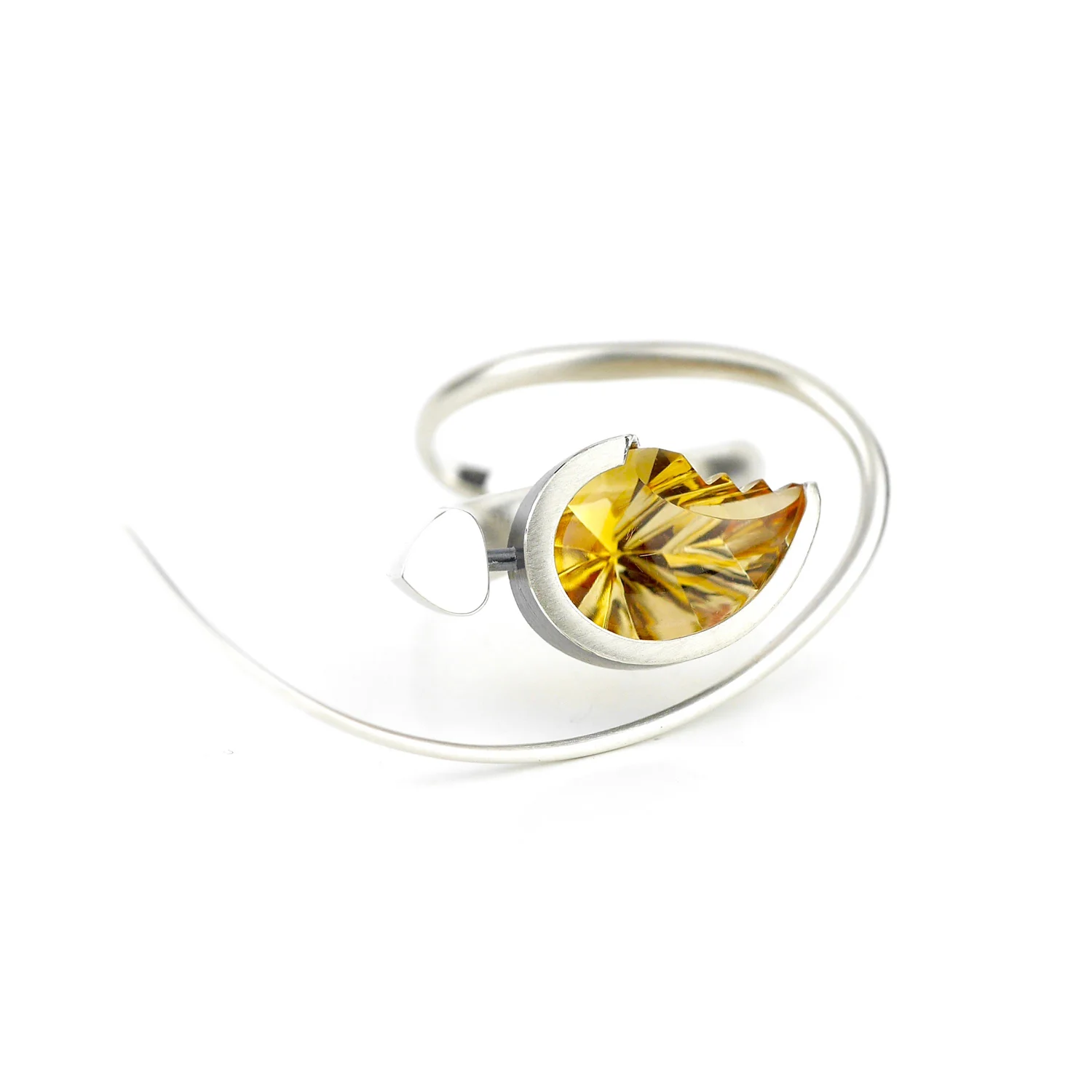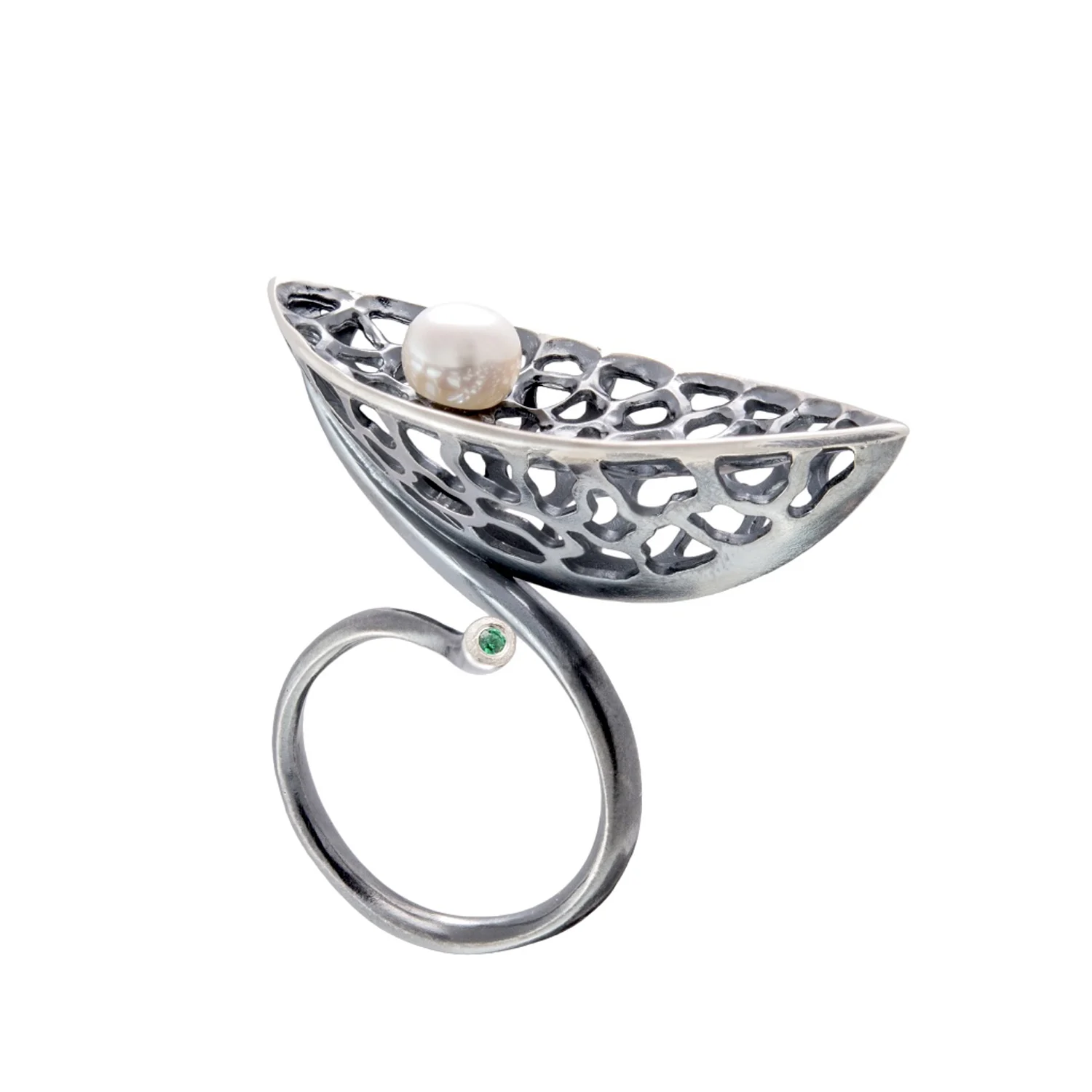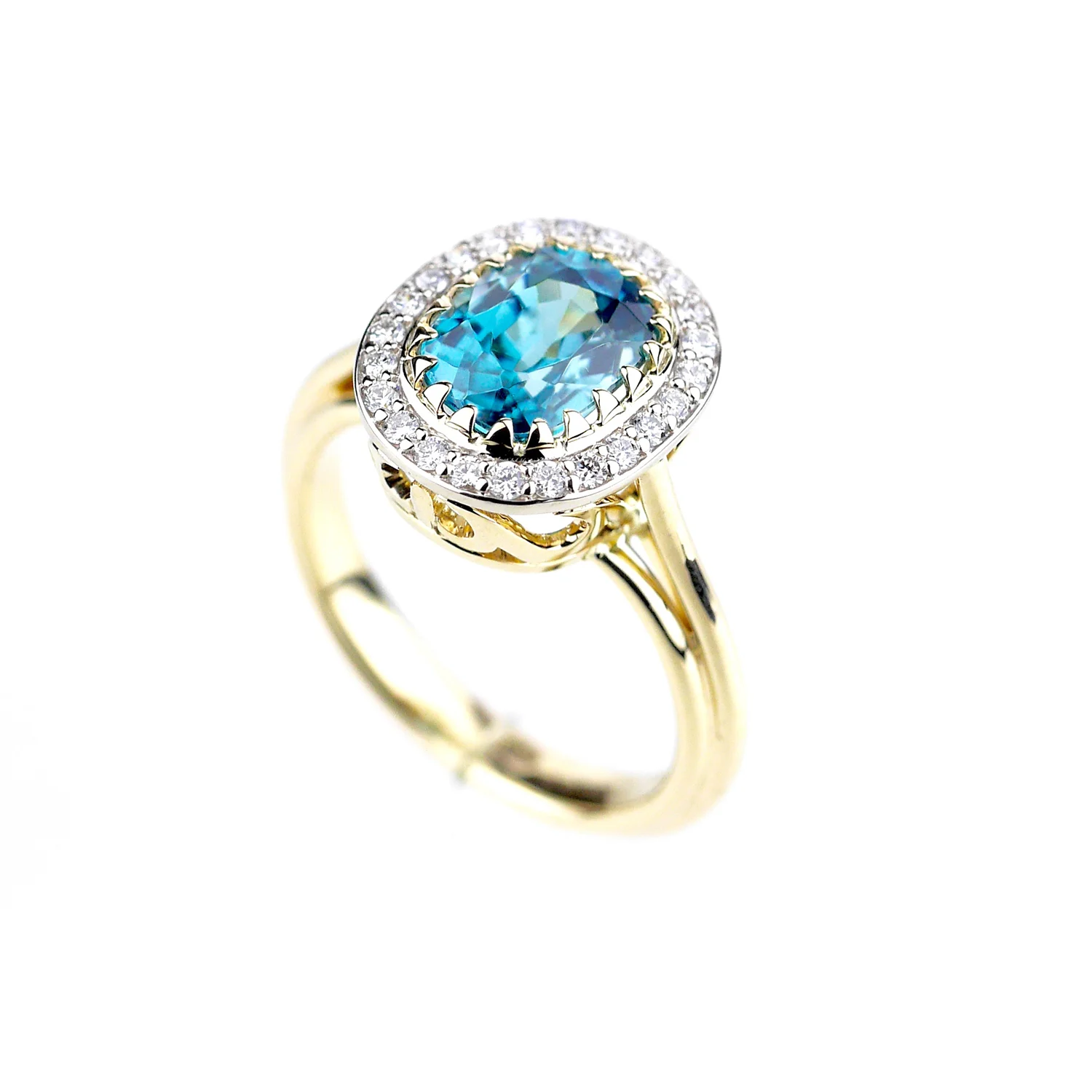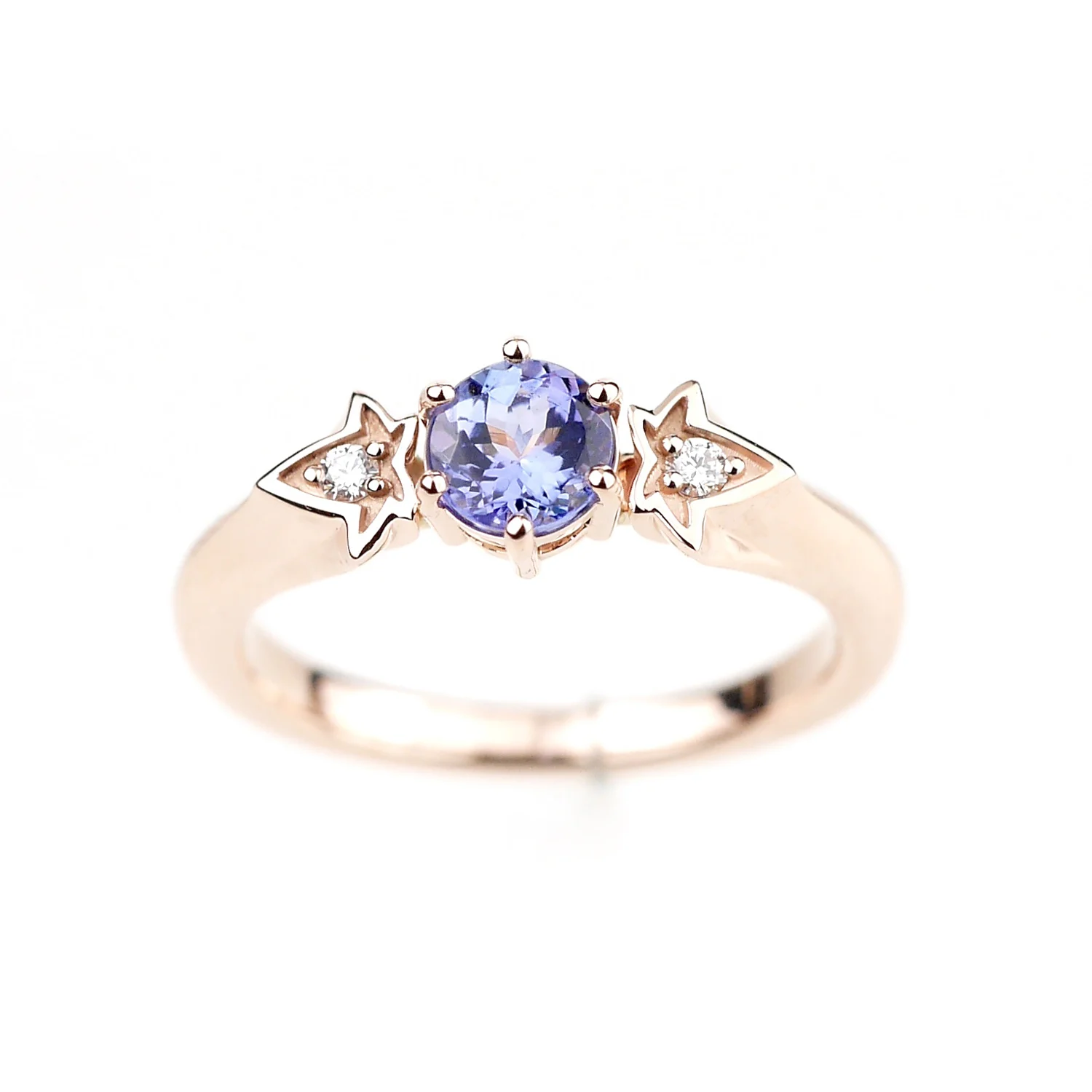
Do you feel like you had no other choice but to become a jeweller?
Absolutely not. Professionally, I started in jewellery making, or more precisely, in engraving school, which I attended at the age of 16, but I also tried my hand at other professions afterwards. Among other things, I studied road and bridge construction at the Warsaw University of Technology and at the same time worked in supervision in a road laboratory. I even liked it, but despite my sincere efforts, I had to admit that I wouldn't achieve much in road construction.
Did you feel you would achieve more in jewellery?
Absolutely. Especially since, while being a „builder,” I was constantly making jewellery – mainly for friends, but primarily for my own enjoyment – so I was able to convince myself that this is what I wanted to do with my life. So ultimately, it was my conscious decision, and not, for example, pressure from my family to continue the Schiffers family's silver-plating tradition. My great-grandfather was a goldsmith, my grandfather a silversmith, and my father, although he wasn't involved in jewellery making, knew a lot about antique jewellery and gemstones. My parents gave me free rein in choosing my profession – they knew well that with my personality, any pressure would be counterproductive (laughter). If my grandfather's brother hadn't lost the company's Iranian assets in cards, and if its Polish branch hadn't been nationalised after the war, who knows, maybe I'd be a silversmith now…?
Have you considered continuing the family silversmithing tradition?
Today this is a complicated topic, as the culture of tableware is not as developed as it was in pre-war times. Although, of course, it's all a matter of design – there would likely be enthusiasts for attractive pieces, even if they are few in number.
This could be another addition to your already impressive portfolio…
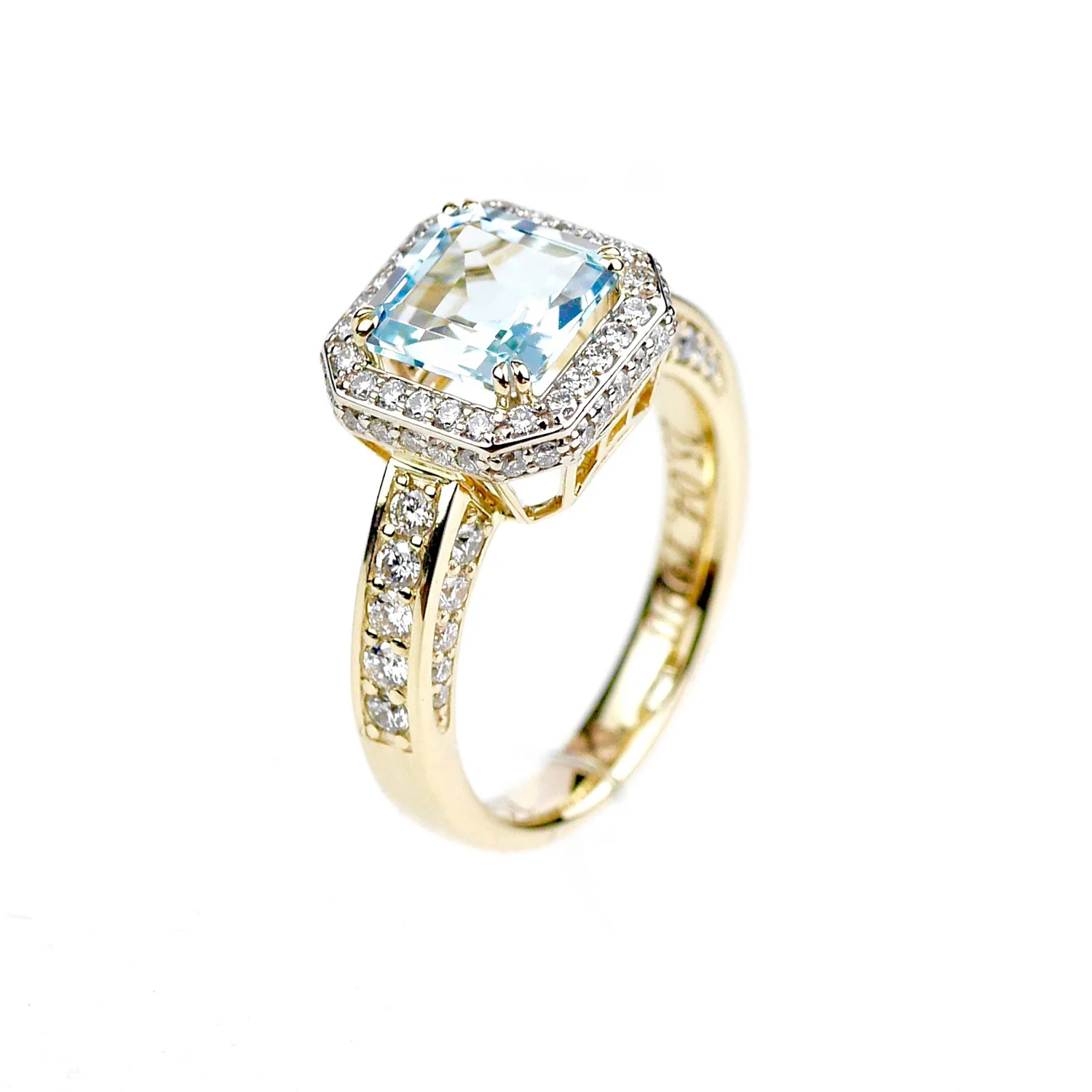
I've indeed tried my hand at various fields because I like challenges – both jewellery-related and otherwise. In fact, it all boils down to the same common denominator: I simply transfer selected solutions used in jewellery to a different scale, focusing on the functionality of the object and its aesthetics. Perhaps the most „crazy” thing that no one would expect a jeweller to do was build a sauna (laughs). Including running the electrics – my brother explained it to me over the phone (laughs). The ability to solder came in very handy then (laughs). Anyway, it's similar in jewellery – this work constantly requires coming up with new solutions. This applies to both the jewellery I design and make, and the jewellery I repair.
How often is jewellery repaired these days?
Definitely less often than five years ago. There are more clients who want to have it melted down and have a different item made. I always try to dissuade them from this idea, explaining that behind it is the talent and work of a specific person, as well as a huge emotional charge. And this is precisely the greatest value of this jewellery – not the value of the metal it's made from. I suppose I'm persuasive, because quite often I manage to ensure that this jewellery not only doesn't go to the crucible but, after being restored, is worn with pride by representatives of the next generation. Such „miracles” happened a bit more often than usual during the pandemic – my fellow craftsmen also noticed they had more repairs on leather bags, watches or jewellery.
The effect of pro-ecological thinking?
Honestly? I doubt it. I think it was rather an excess of free time during lockdown that motivated us to tidy up the dark corners of our wardrobes and do a quick online check to see if and what could be done with it. Now the world seems to be returning to normal – large companies have to make up for losses, so they tempt us with new ideas and seasonal designs for fashion jewellery. However, when it comes to eco-conscious thinking, the jewellery industry fits perfectly into this trend – silver or gold can be recovered almost 100 percent.
These are probably difficult times for jewellers and jewellery makers?
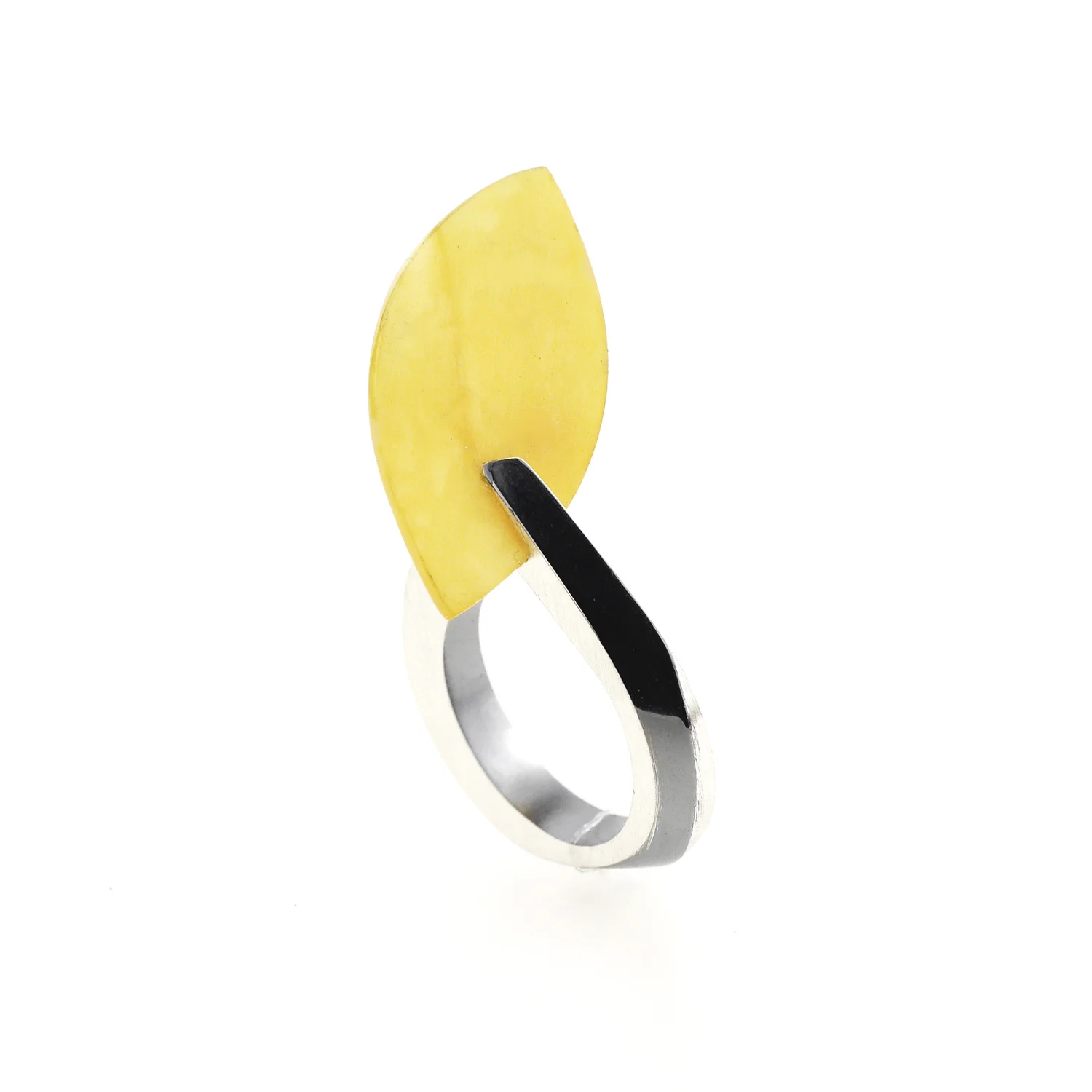
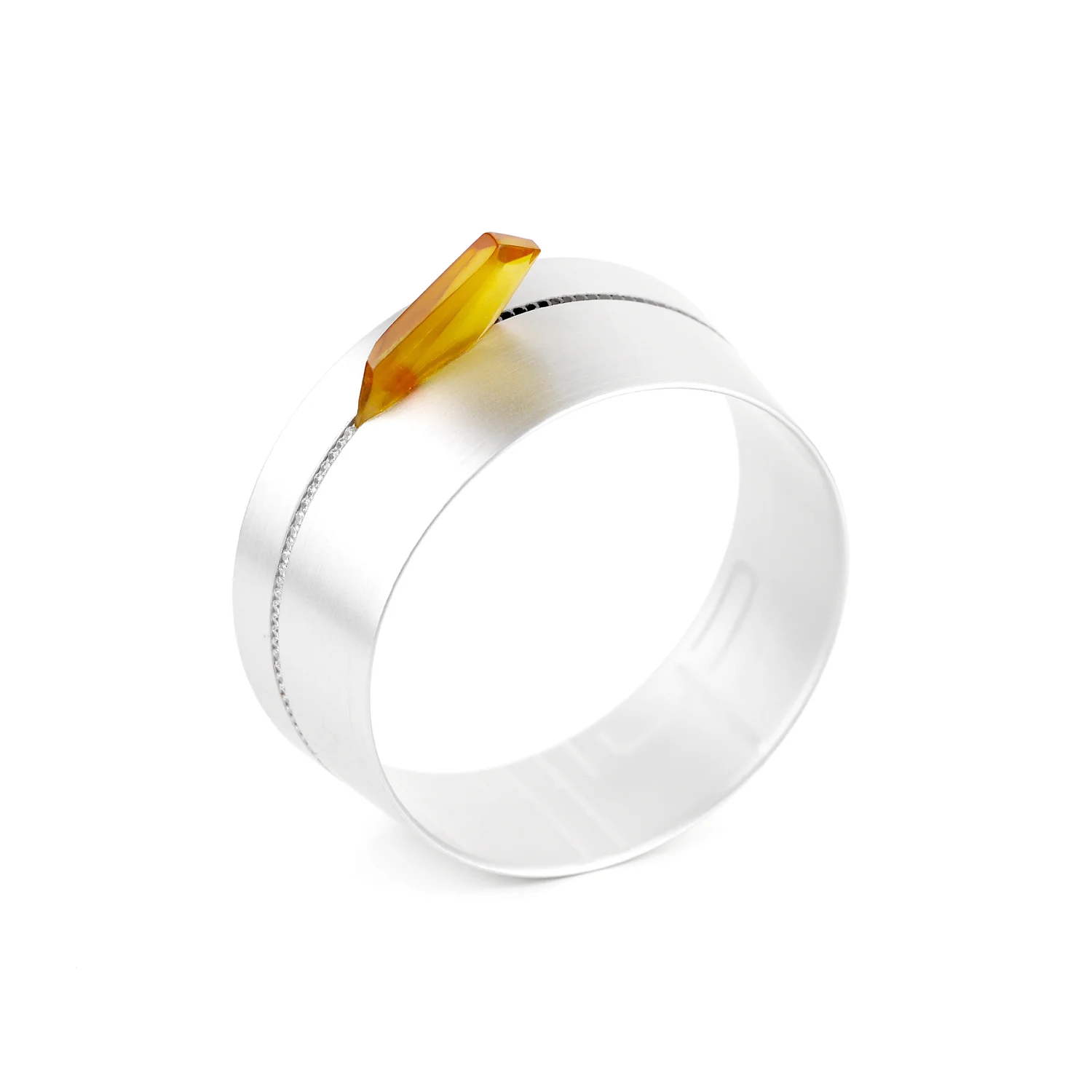
As a jeweller, I have no cause for complaint, but this is probably the result of consciously building my market position over many years. I can't count the exhibition events I've taken part in – not just trade fairs, but also many others where I could acquire new clients. Today, my company relies mainly on cooperation with individual clients, for whom we create unique, bespoke jewellery. The situation looks completely different from the perspective of an artistic jewellery maker. Some time ago, I noticed that this sector of the market is definitely shrinking, which is evident, for example, from the disappearing goldsmith art galleries. That's why I've always treated artistic jewellery as a supplement to goldsmithing. And a great opportunity to indulge my artistic whims – it offers much more scope for manoeuvre, as, being a creator, I am limited only by my own imagination. I love all aspects of „being an artist”, especially the social ones (laughs). Exhibitions, opening receptions, trips to the Festival in Legnica, and in the past, studies at the Academy of Fine Arts in Łódź, are particularly conducive to this. Or rather, they were – before the pandemic, everything seemed to have stalled, and COVID only made matters worse. However, I have hope – and I'm truly keeping my fingers crossed for this – that the situation will soon return „to normal” and we will be able to meet again in Legnica and elsewhere.
The future of art jewellery doesn't look promising...
Unfortunately, mass-produced jewellery is increasingly displacing all other types year on year. Many goldsmithing galleries have closed down, and those that have survived often have to resort to fashion-style jewellery to stay afloat. I fear that artistic jewellery will eventually disappear from the market entirely, as it's becoming increasingly difficult to compete with fashion jewellery, which is visually interesting, relatively cheap, and interchangeable every season, or even more frequently. You have to pay significantly more for artistic jewellery – it's often unique, made from precious materials by a specific artist with exceptional achievements, and timeless. For the price of one bracelet, you could have, for example, 20 pairs of earrings from a chain store – and it’s clear which choice the majority of consumers will make… Some consolation lies in the fact that there are still people who appreciate the value of the artisan's handiwork and are precisely those kinds of products they seek on the market.
What choices do your studio's clients make?
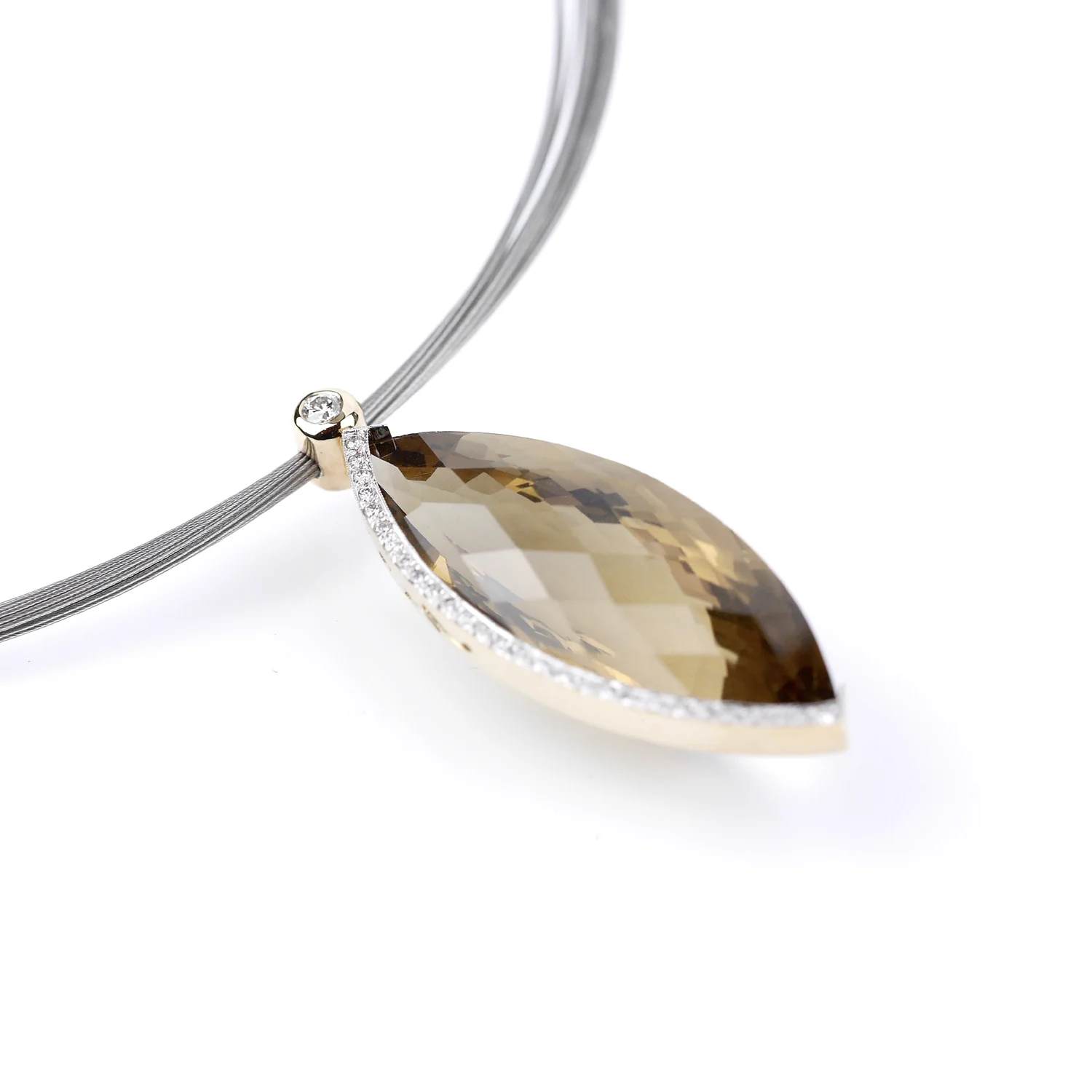
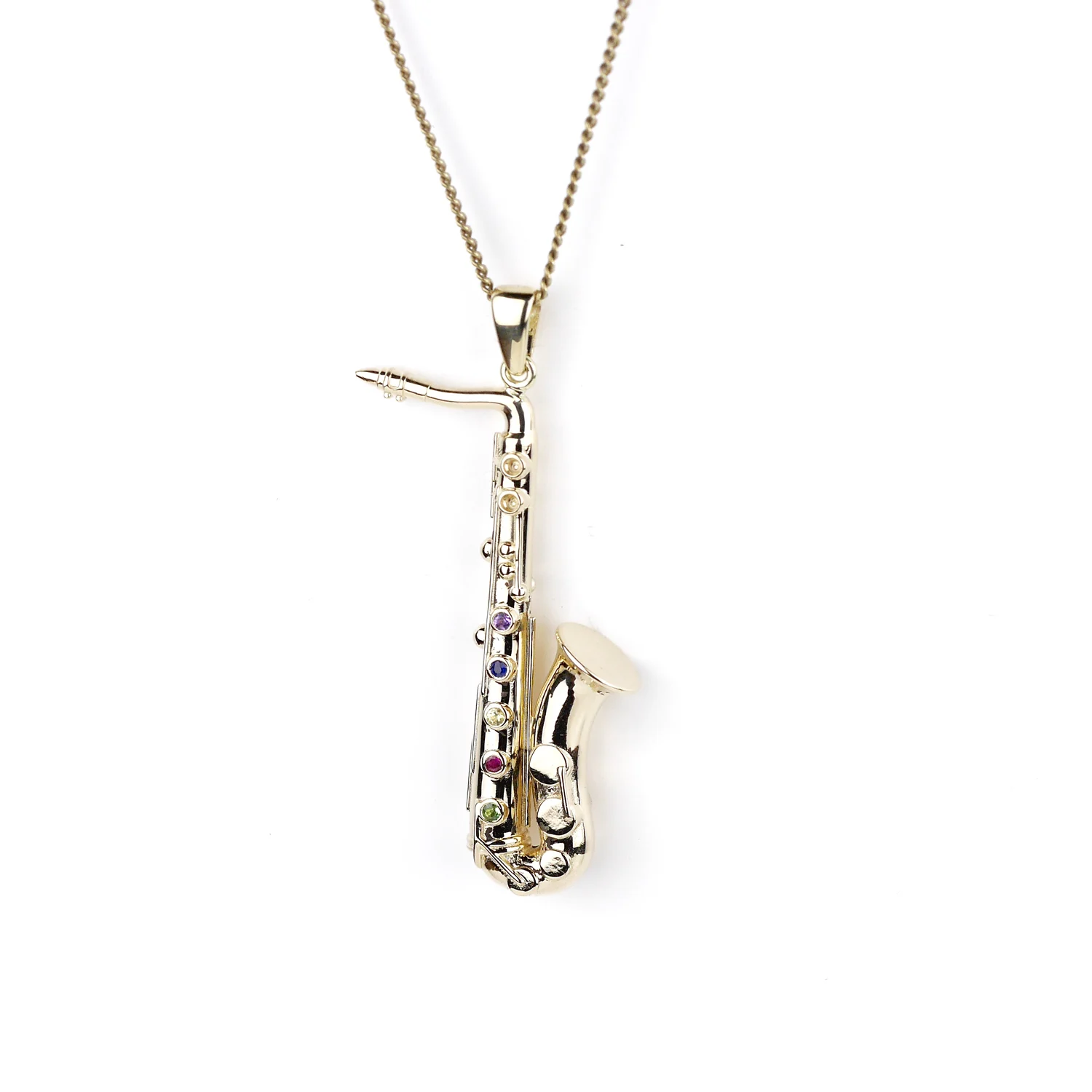
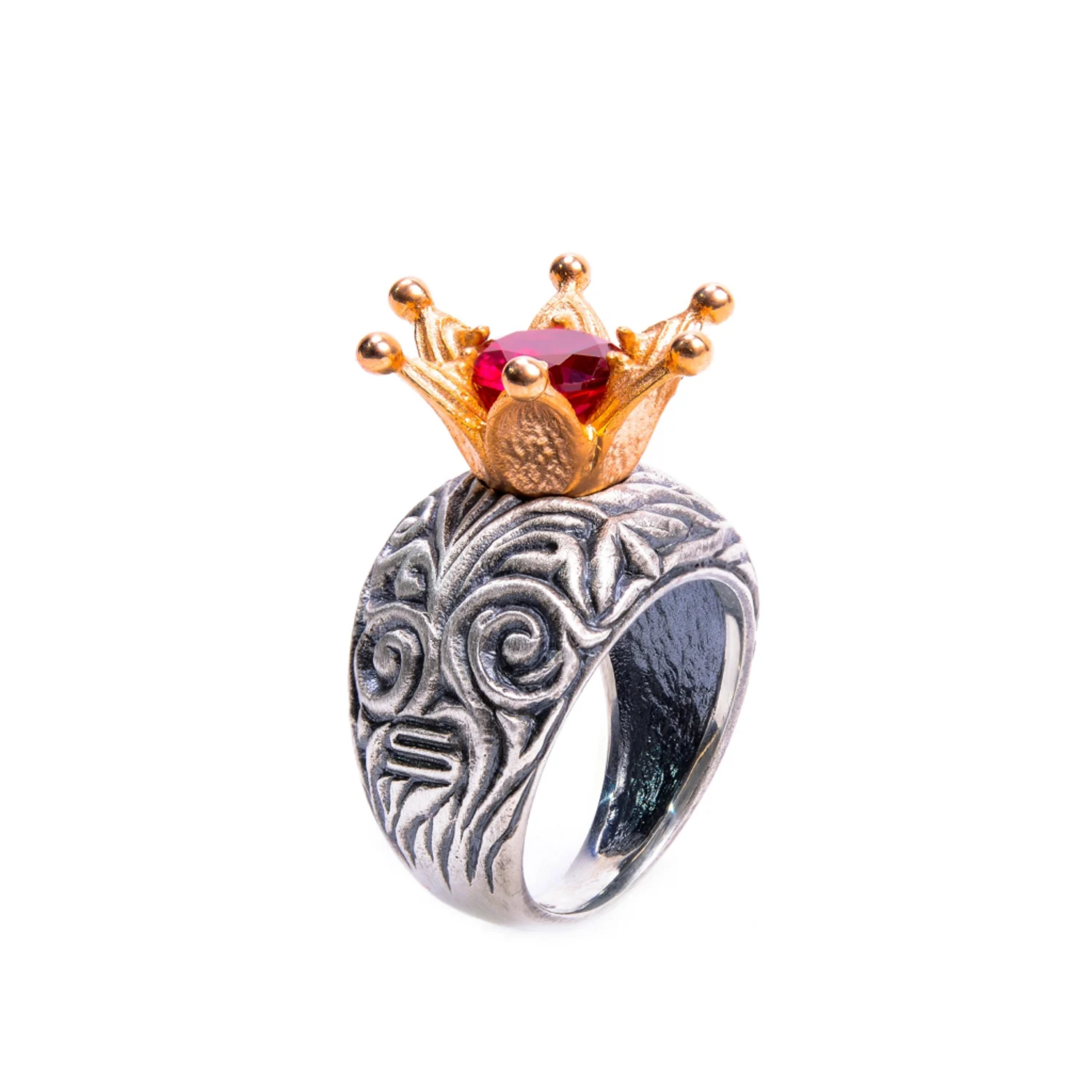
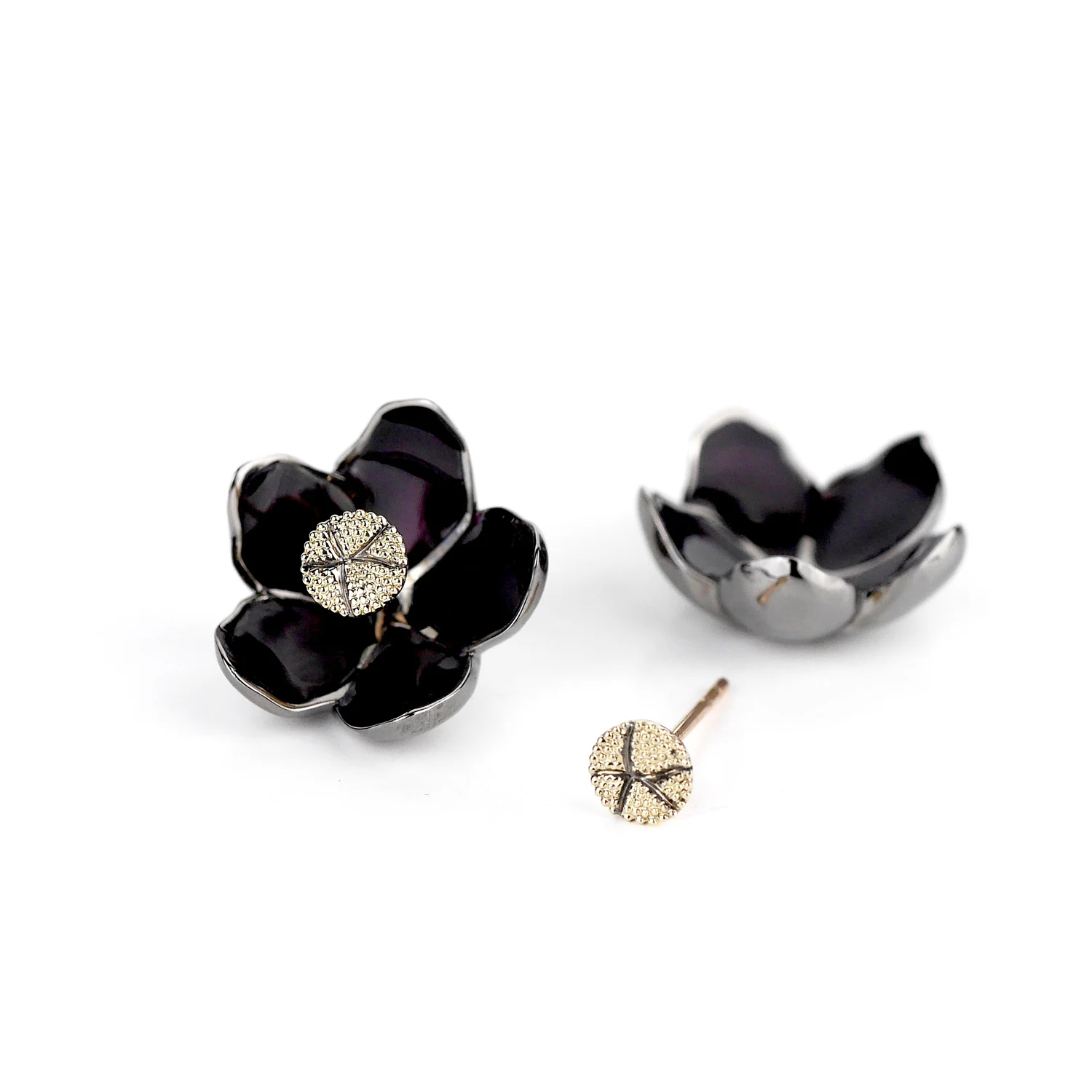
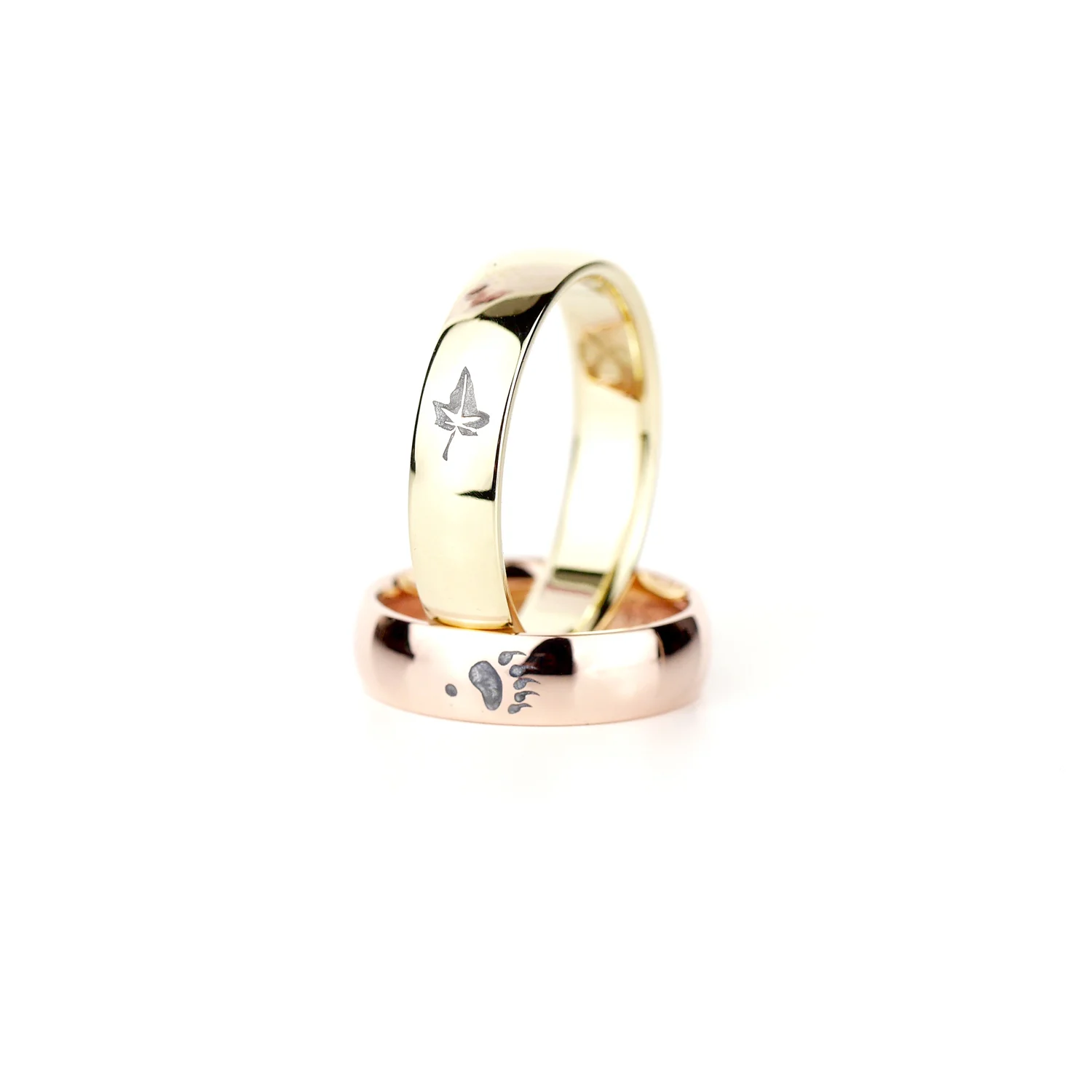
Good (laughs). But seriously: the vast majority of them are individual clients, for whom we create bespoke projects for personalised jewellery. Interestingly, women order jewellery or other jewellery accessories for men just as often as men do for women. Most of them don't even realise that a jewellery workshop can bring even their most elaborate or even crazy ideas to life – when I make them aware of this, their inhibitions fall away and their imagination kicks in. Some of the creations are truly amazing! And each one contains a piece of the person who will wear it – through references to their hobbies, specific past events, or deep emotions… Because jewellery is so much more than just an ornament…
You also take orders for businesses.
Yes, but we are already receiving specific guidelines here. The orders are varied – sometimes it's jewellery, sometimes accessories. Moreover, there are more and more companies commissioning ready-made 3D designs lately. The only problem is that these „external” designs are not always suitable for production – to be a good designer, you also need workshop skills. I hope this will be a sufficient reason to train the next generations of specialists. Companies that are springing up like mushrooms after rain and specialise in marketing, which also introduce jewellery collections to the market, will not be able to cope without specialists either – they know perfectly well how to sell it, but they don't know how to make it.
You often emphasise that Warsaw's Praga is a special place for you. Why?
My family has lived in Praga for generations. Near my current studio was the Schiffers electroplating factory. I've noticed that by changing my studio's location every few years, I'm getting closer and closer to its pre-war location – who knows, maybe soon we'll be right there...? History would have come full circle... I grew up in Praga, I know every nook and cranny here, and – most importantly – I feel very comfortable here. I like the people, the atmosphere, the mentality with its openness towards others. Praga has its own unique vibe, which is appreciated even by newcomers from the left bank of the city – more and more young people are moving here and appreciate it even more than, for example, Żoliborz. I have everything I need here.