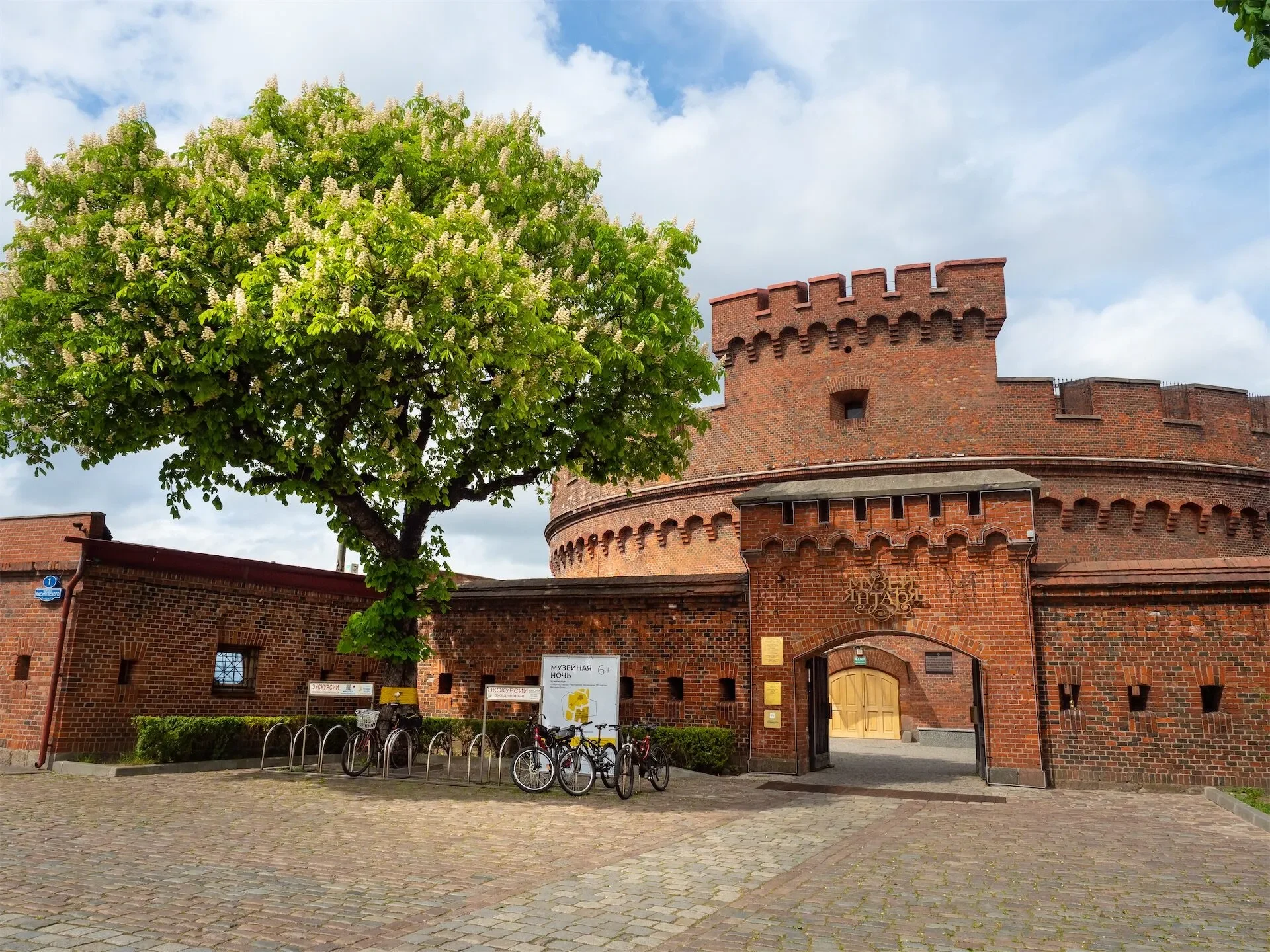
The defensive tower was built in 1853 and is named after the Prussian General-Field Marshal Friedrich Karl Don (1784-1859), a participant in the war of liberation against Napoleon’s invasion as part of the Russian army. The building is also a memorial to the Second World War. It was on this tower that a red flag was raised on April 10, 1945, in honor of the end of the assault on Königsberg.
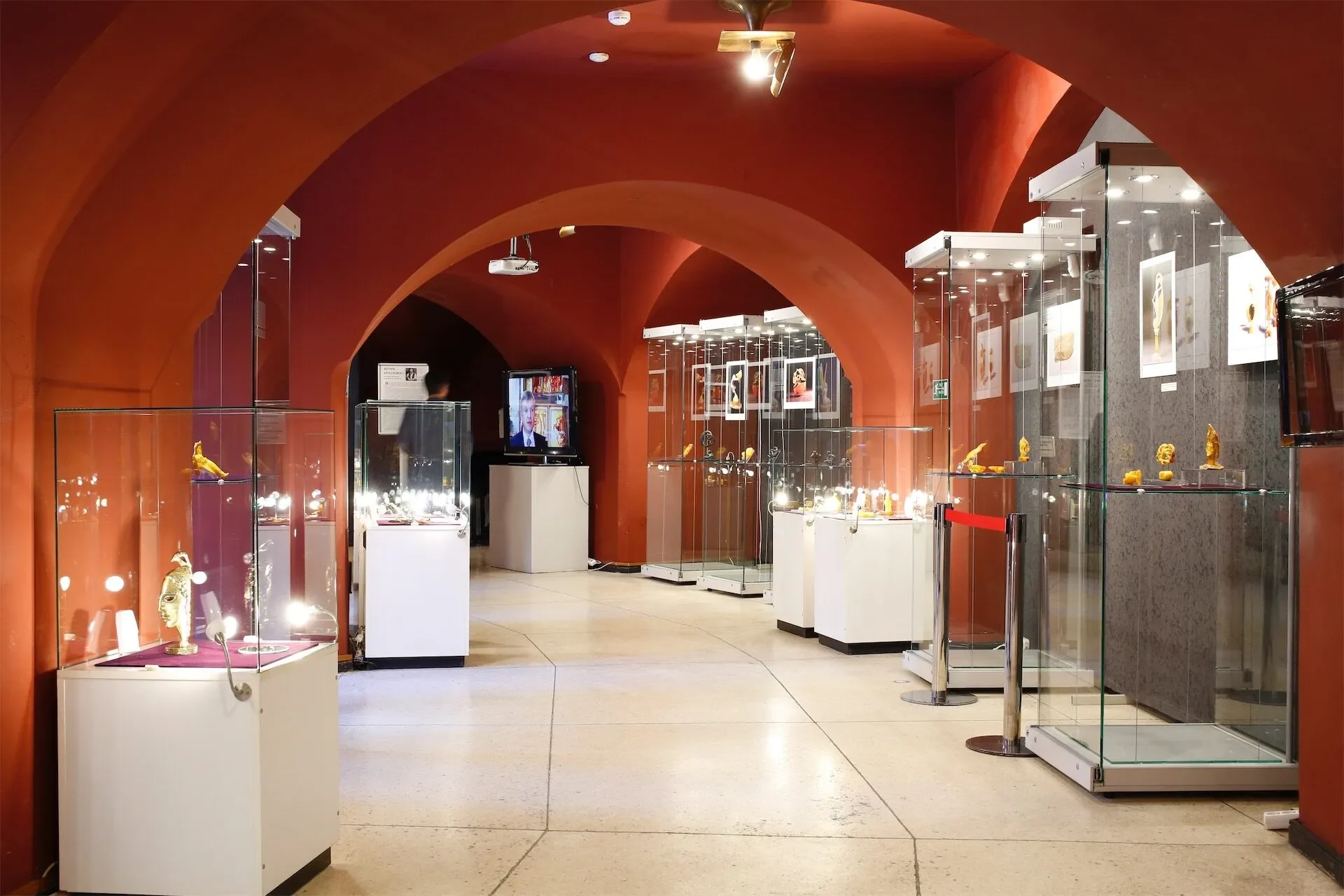
The Amber Museum is a museum dedicated to one mineral. The exhibition, which occupies three floors of a building with a total area of approximately 1,000 square meters, provides visitors with detailed information about the origin of amber, its properties, the conditions of extraction, and the methods of processing.
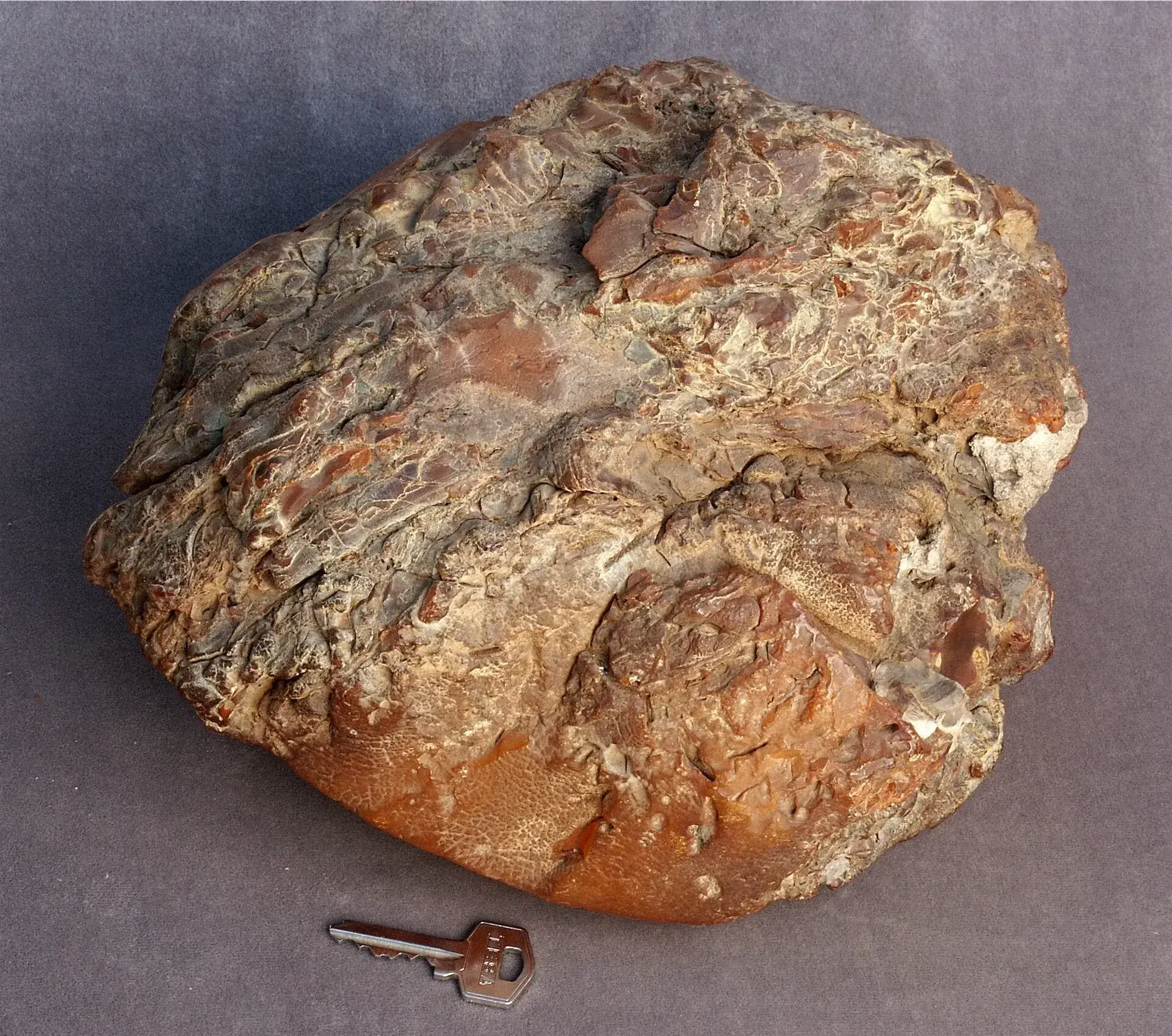
The collection of the Amber Museum contains more than 22,000 exhibits. In the natural section there are amber specimens of varying mass, color and transparency. Among other things, you can see the largest amber nugget in Russia, which weighs over 4 kg.
A significant portion of the collection consists of amber specimens containing inclusions – the remains of animals and plants trapped tens of millions of years ago in a once-fluid and viscous resin. Inclusions in Baltic amber are of great scientific interest due to their diversity and excellent state of preservation.
They are valuable for deepening our knowledge of flora and fauna, as well as of the climatic conditions on Earth from 40 million years ago. Currently, the museum’s collection is the main Russian national repository of Baltic amber inclusions.
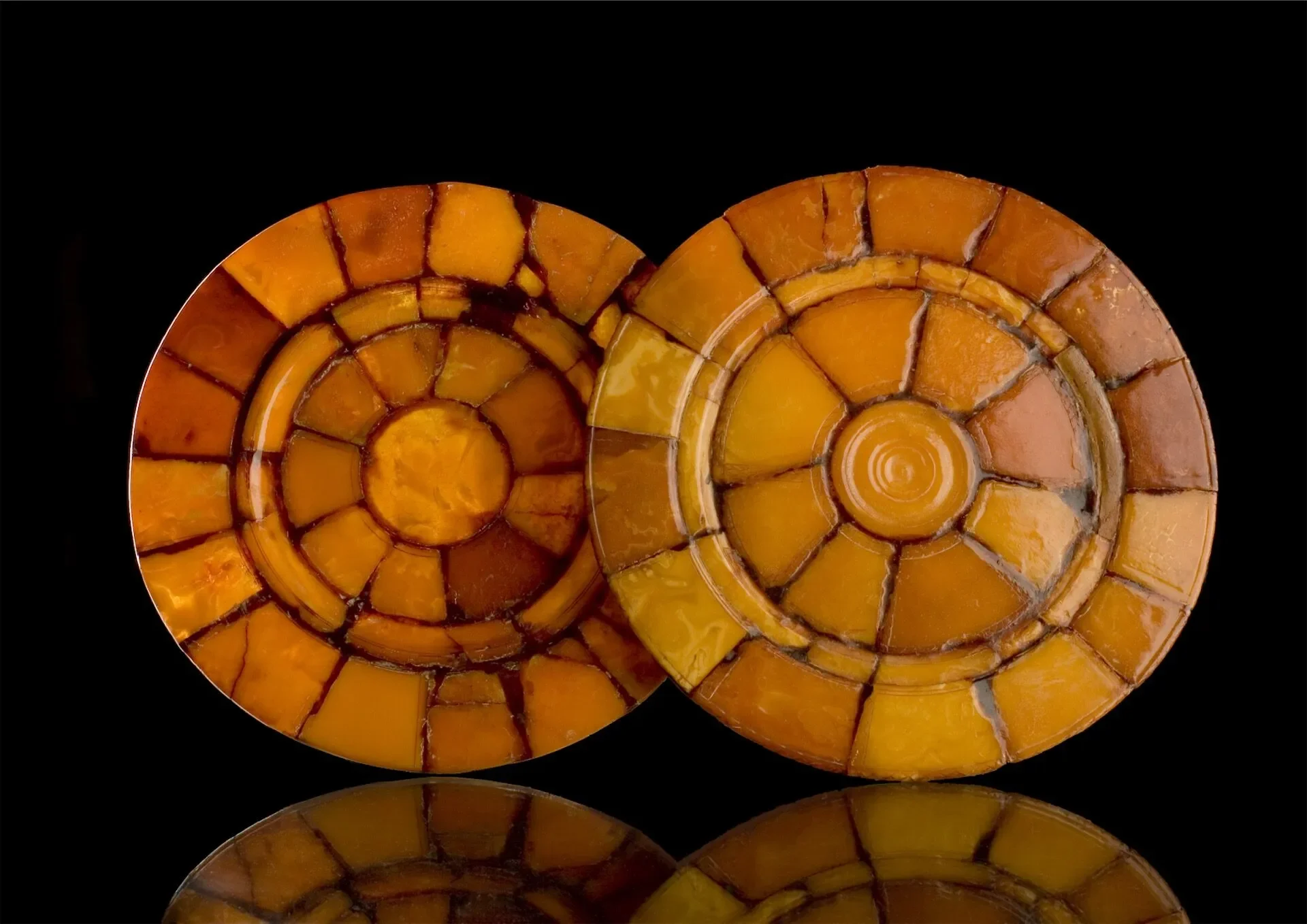
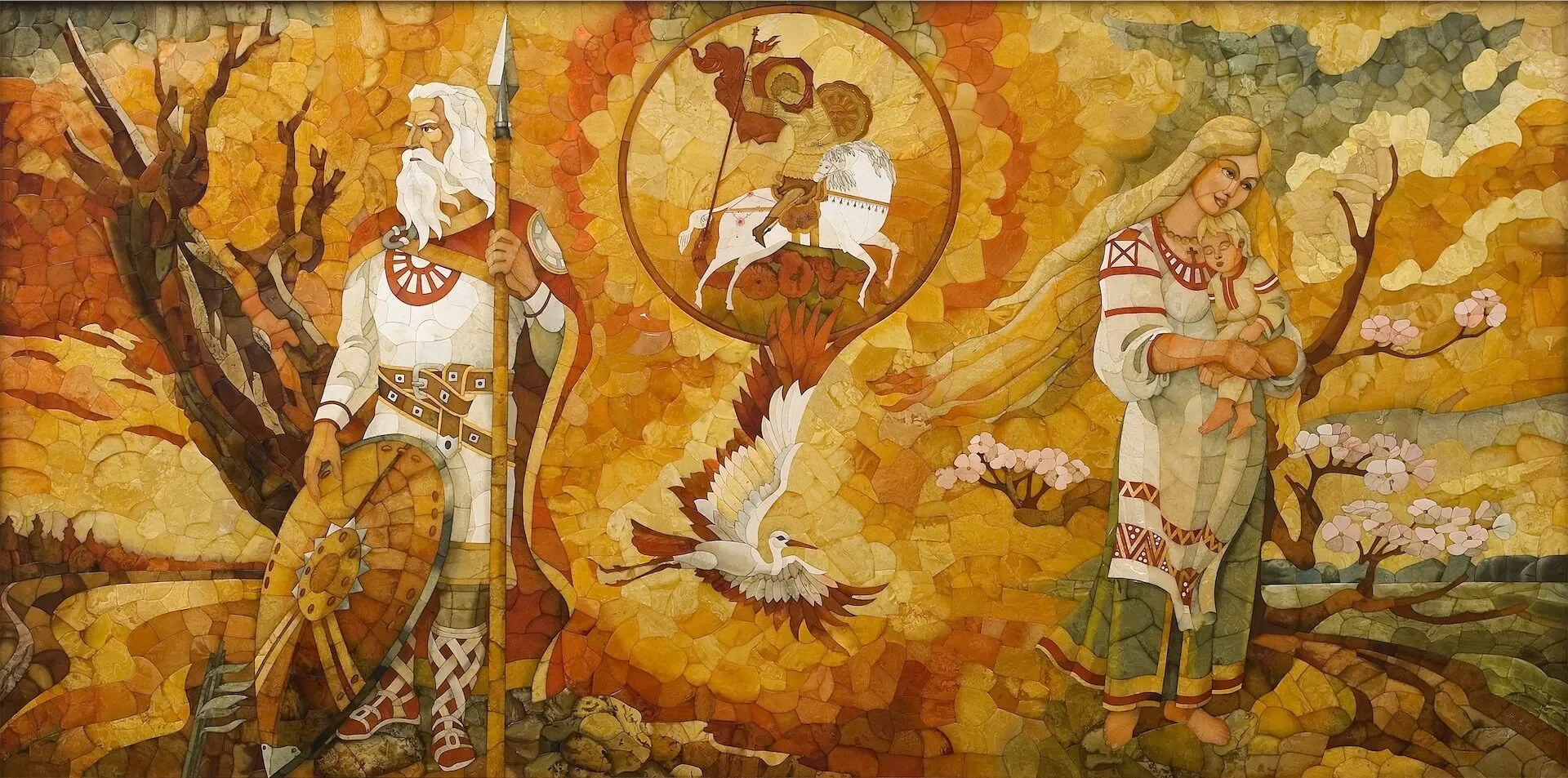
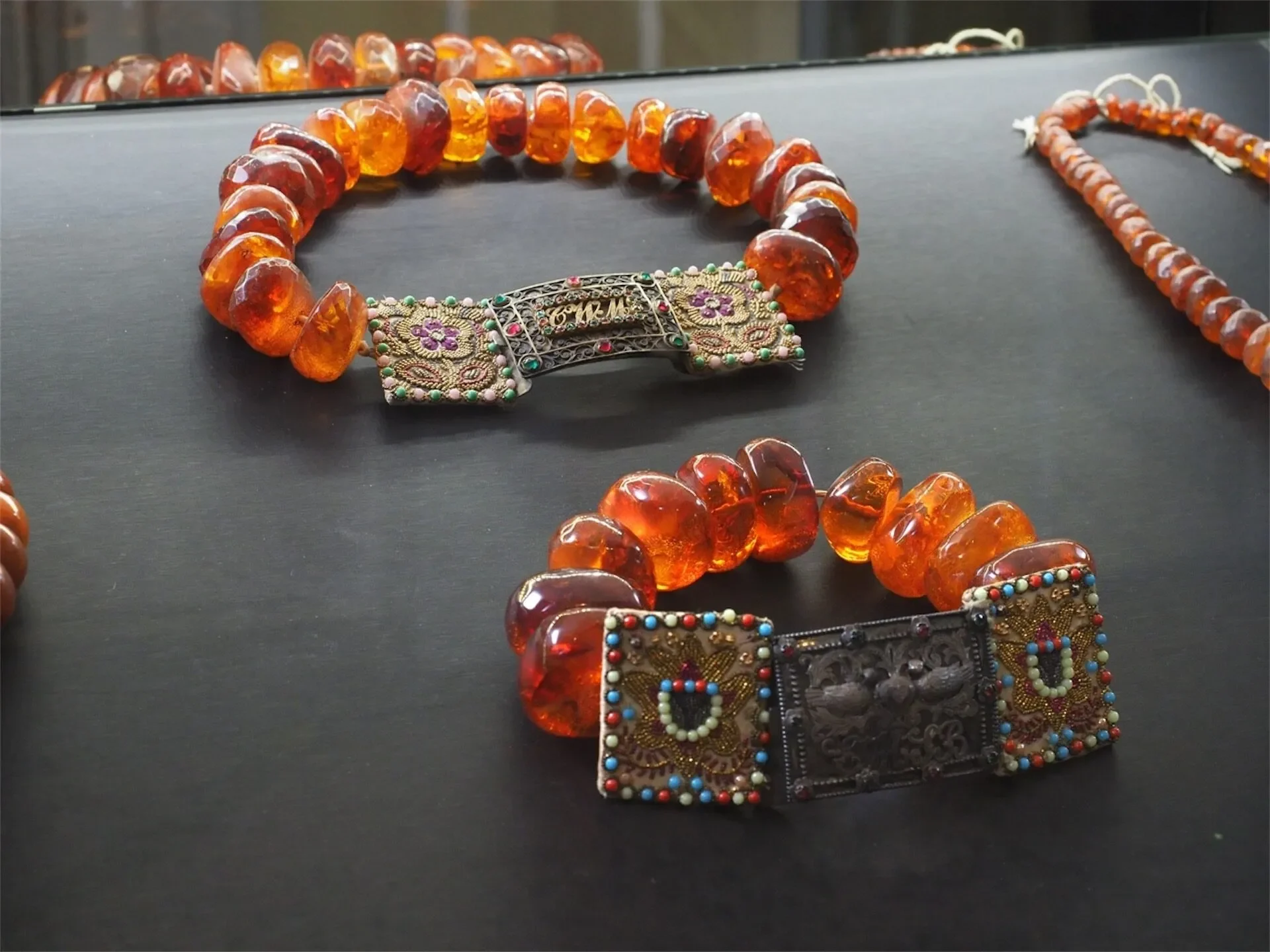
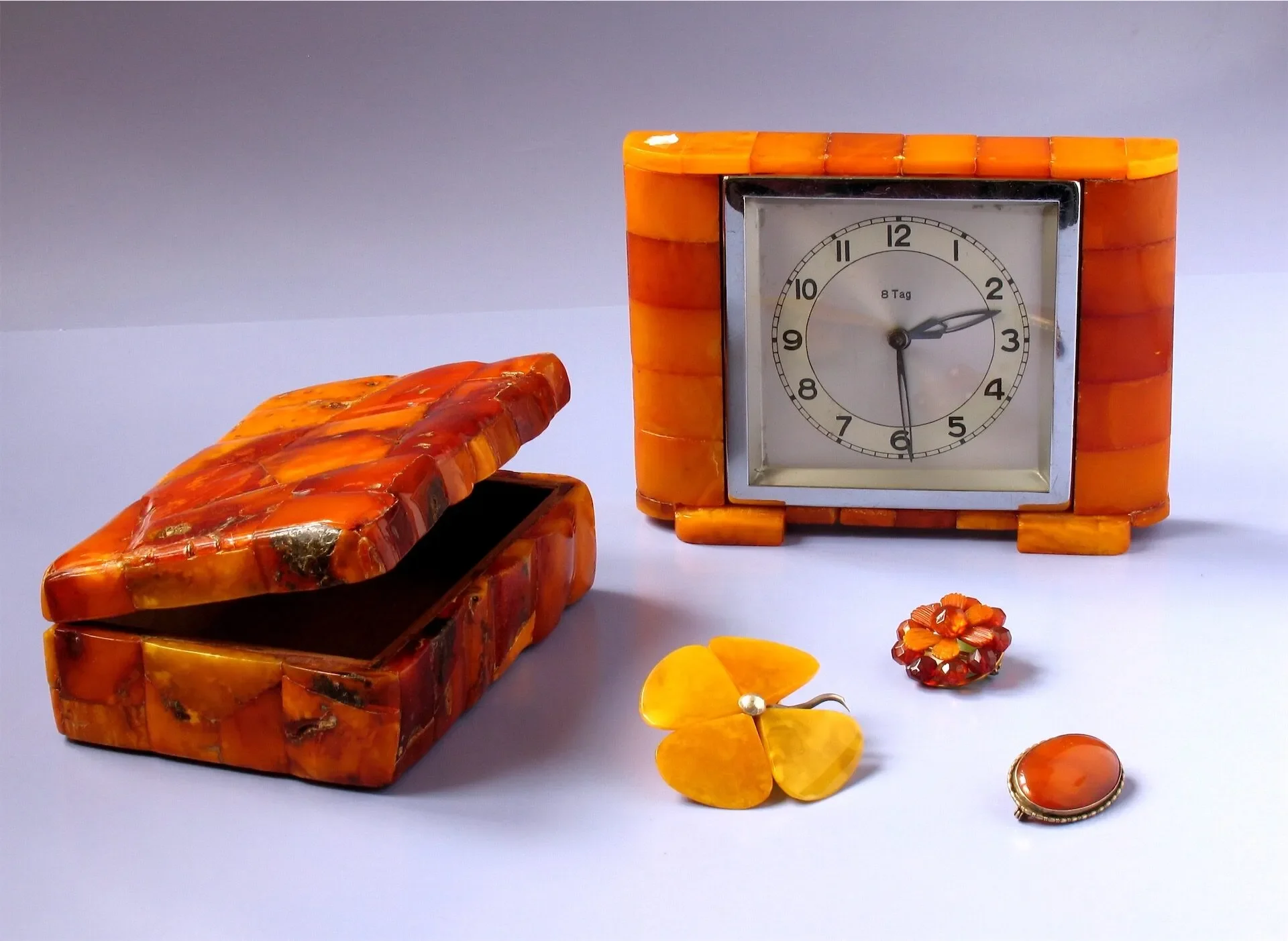
The cultural-historical section presents amber jewelry and everyday items from the Neolithic period (IV–II millennia BC) to modern times. The Amber Museum houses artifacts discovered in the Kaliningrad region during excavations at sites dating from the II–V centuries AD – a period of intensive trade contacts with the Roman Empire.
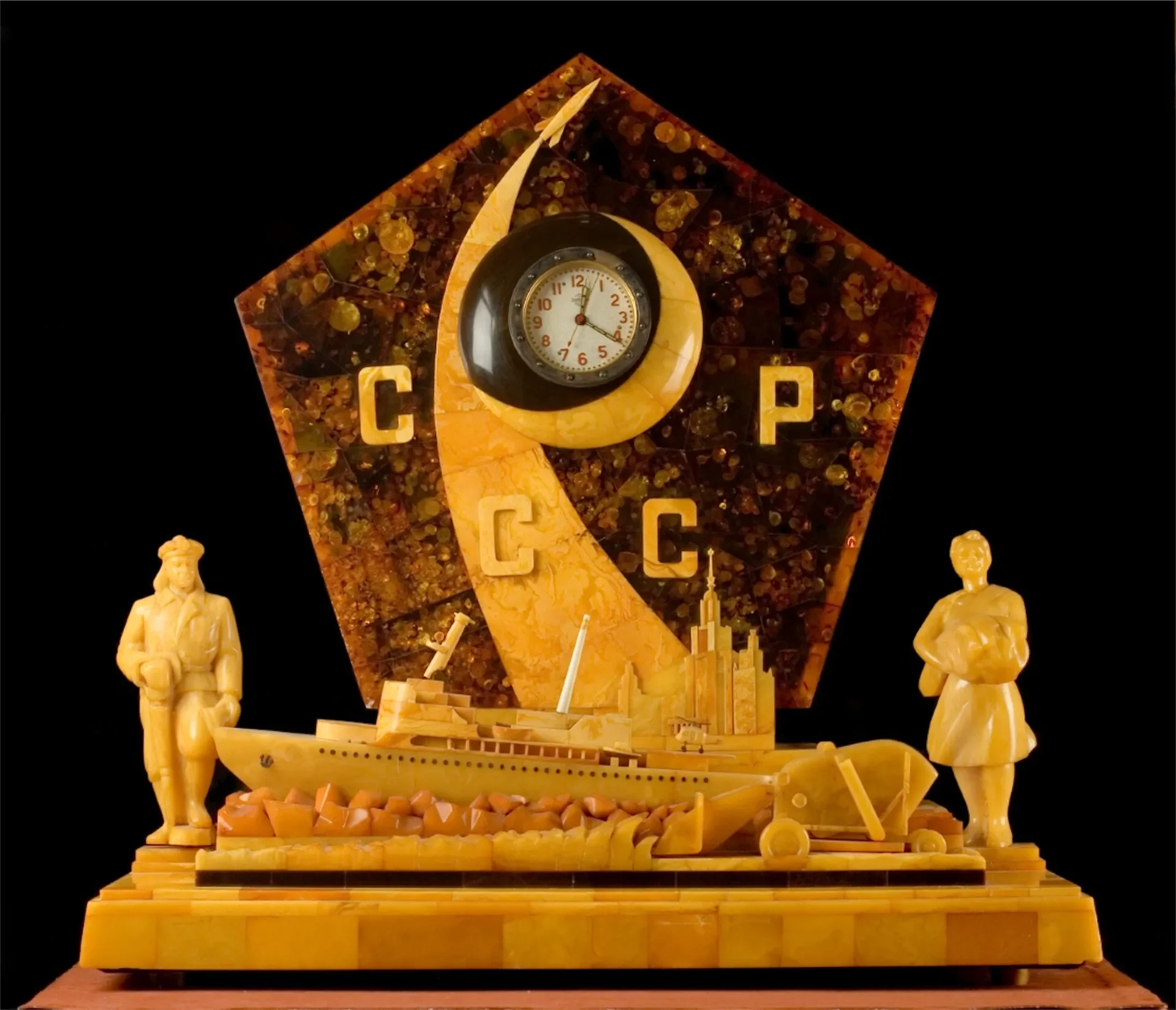
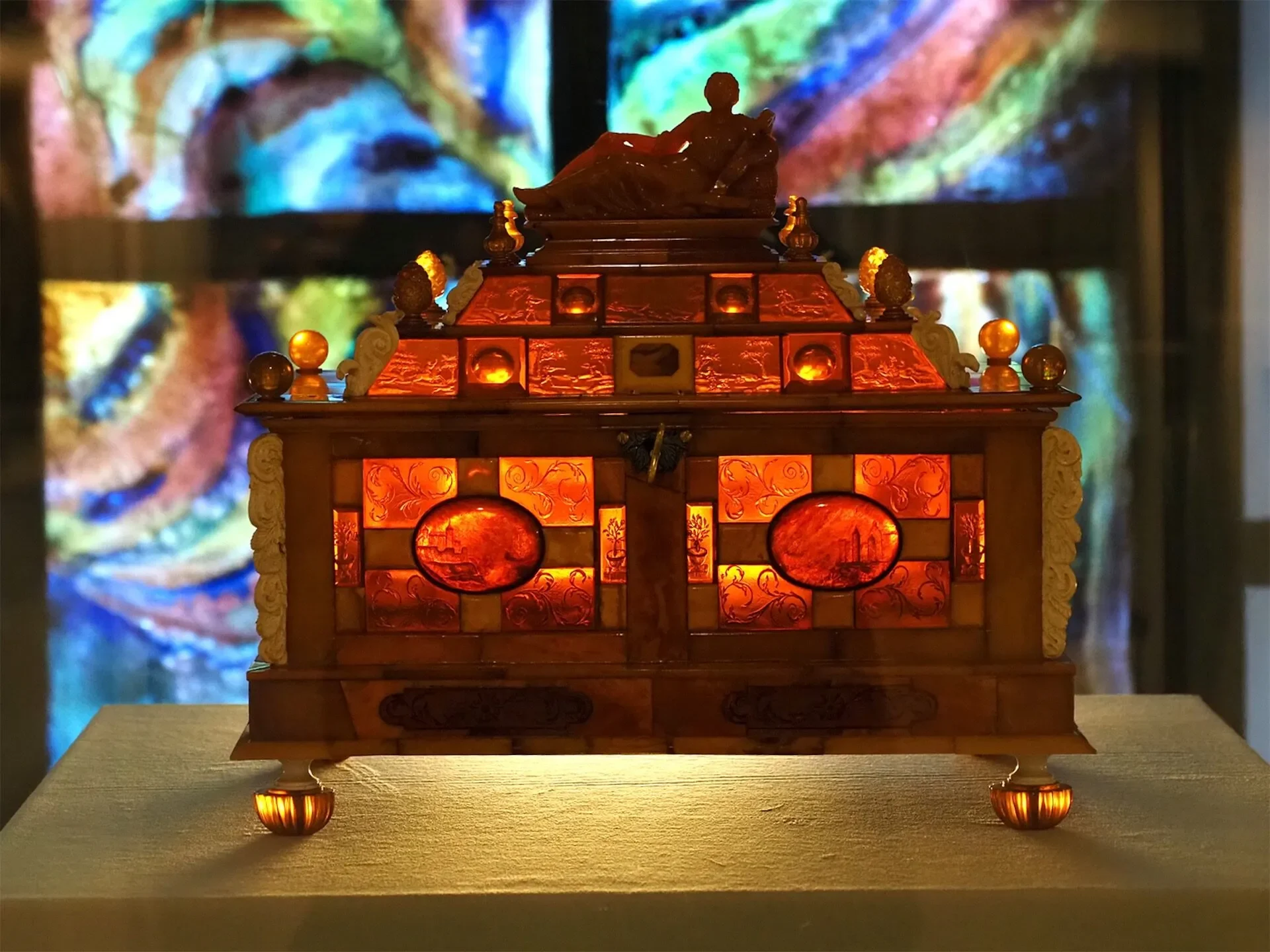
The unique works of European masters of the 17th century are particularly valuable; they were donated to the museum in 1978 by the Moscow Kremlin Arsenal. They are complemented by contemporary replicas of ancient amber artifacts, reconstructed fragments of the famous Amber Chamber, which disappeared during the Second World War, as well as authentic works by Russian and European masters from the 19th and early 20th centuries.
The museum houses a rich collection of artifacts originating from the Royal Amber Factory (1926-1945).
In 2025, the museum opened a new space called INTRA MUROS („Behind the fortress walls”). In the former powder room inside the building, previously inaccessible to visitors, the guide will not only talk about the military function and history of the tower, but also about the life of its inhabitants: who they were and what items accompanied their service.
The Kaliningrad Amber Museum is visited by more than 320,000 people every year. Every year, the institution organizes more than 16,000 tours and lectures. On the ground floor of the museum there is a souvenir shop and a museum shop.
Zoya Kostyashova
The laureate of the Bursztynnik of the Year award 2016, Dr Zoja Kostiaszowa is a recognized expert in the history of the amber craft in Kaliningrad Oblast and the East Prussia. She is the author of more than 60 scientific publications, including the monograph „History of the Kaliningrad Amber Complex” and the editor of the publishing series of the Amber Museum in Kaliningrad. She actively participates in the most important international research projects and conferences dedicated to amber, developing knowledge about its history, processing, and protection.