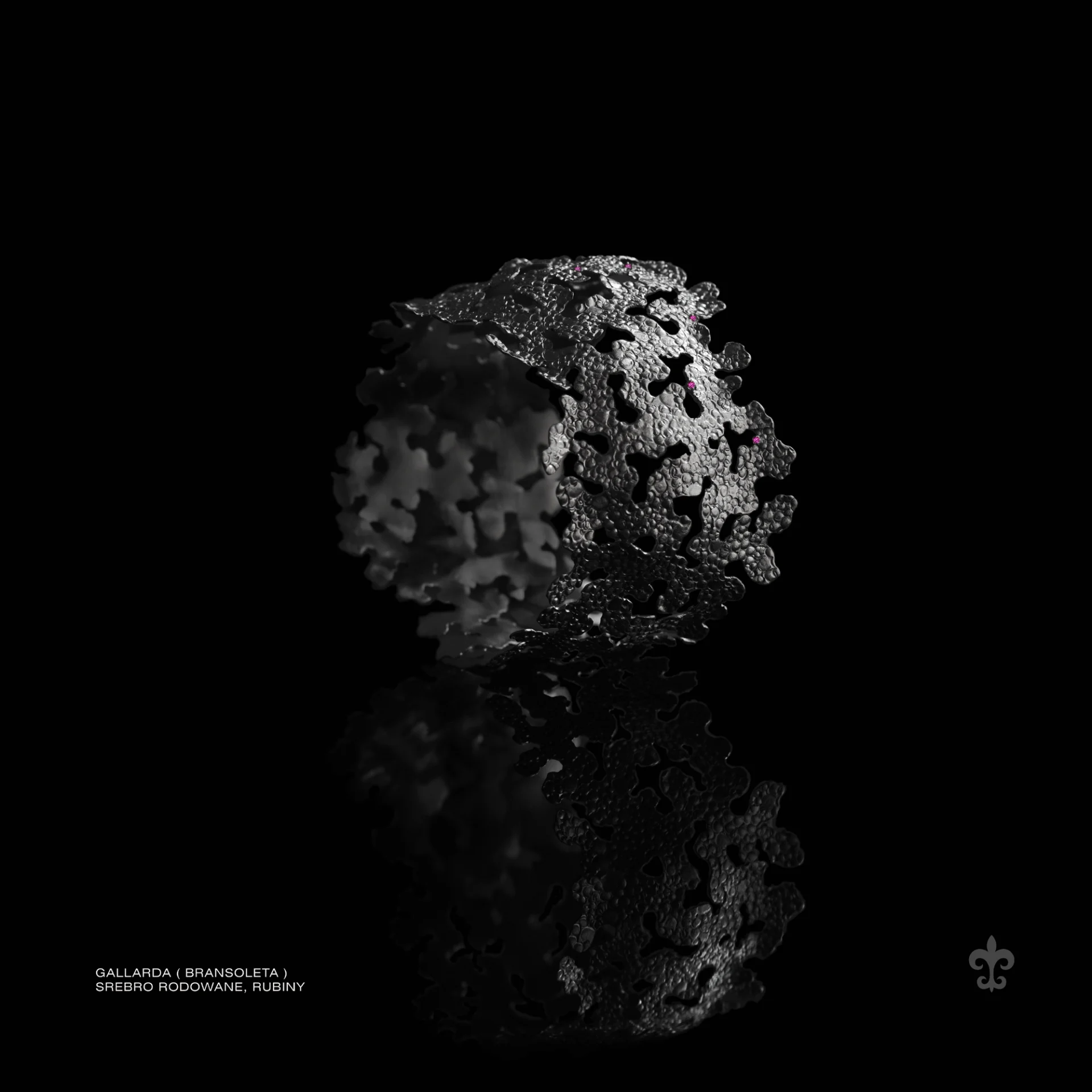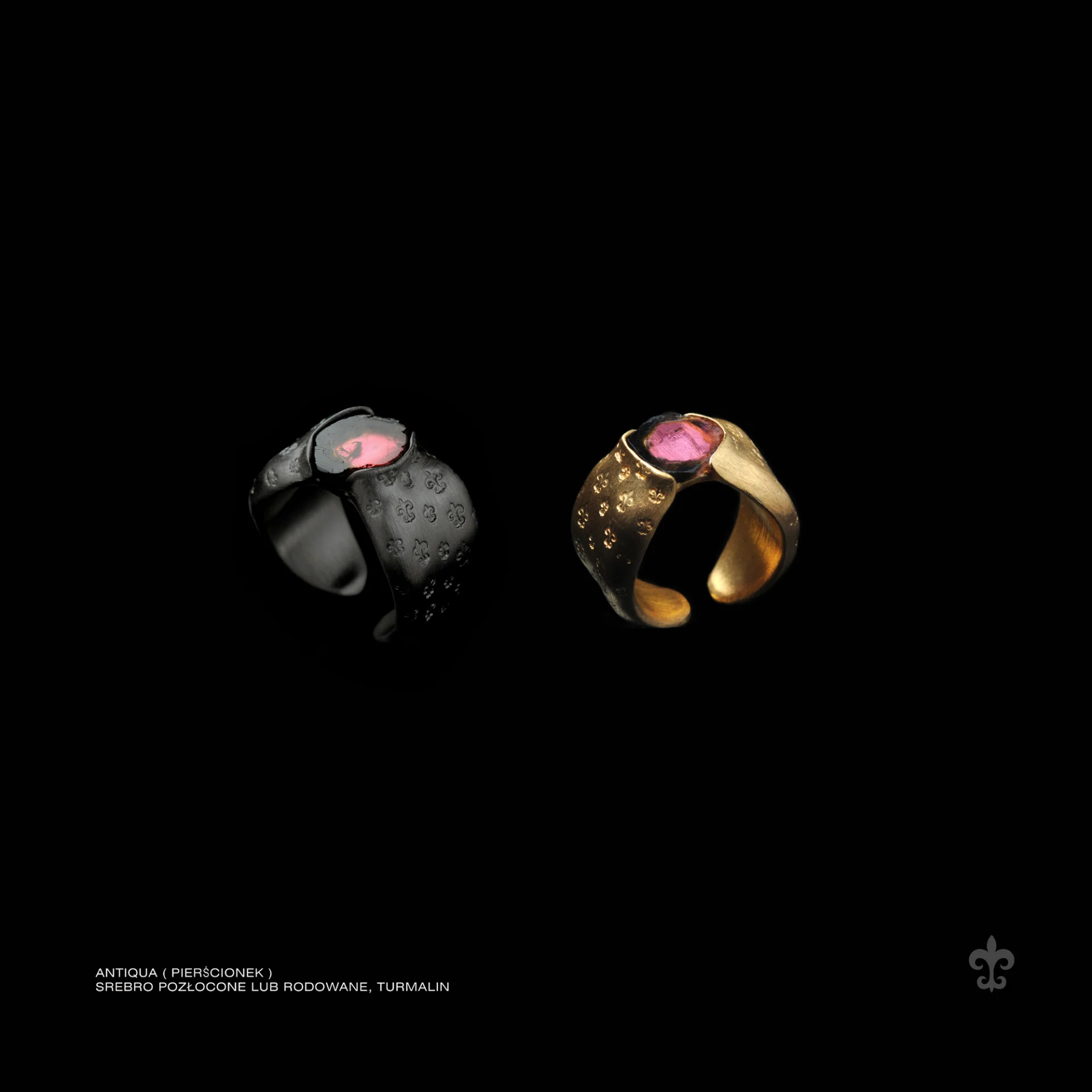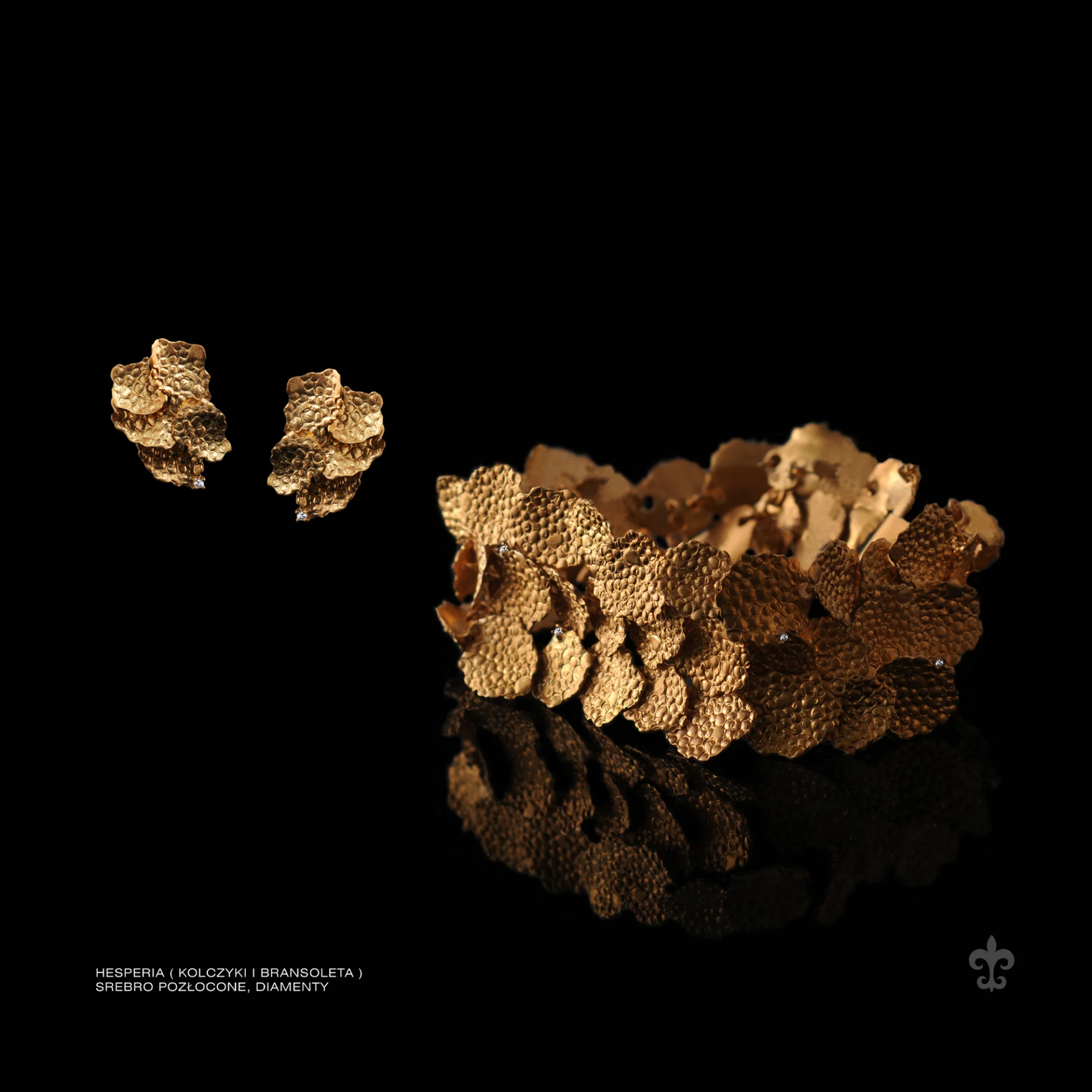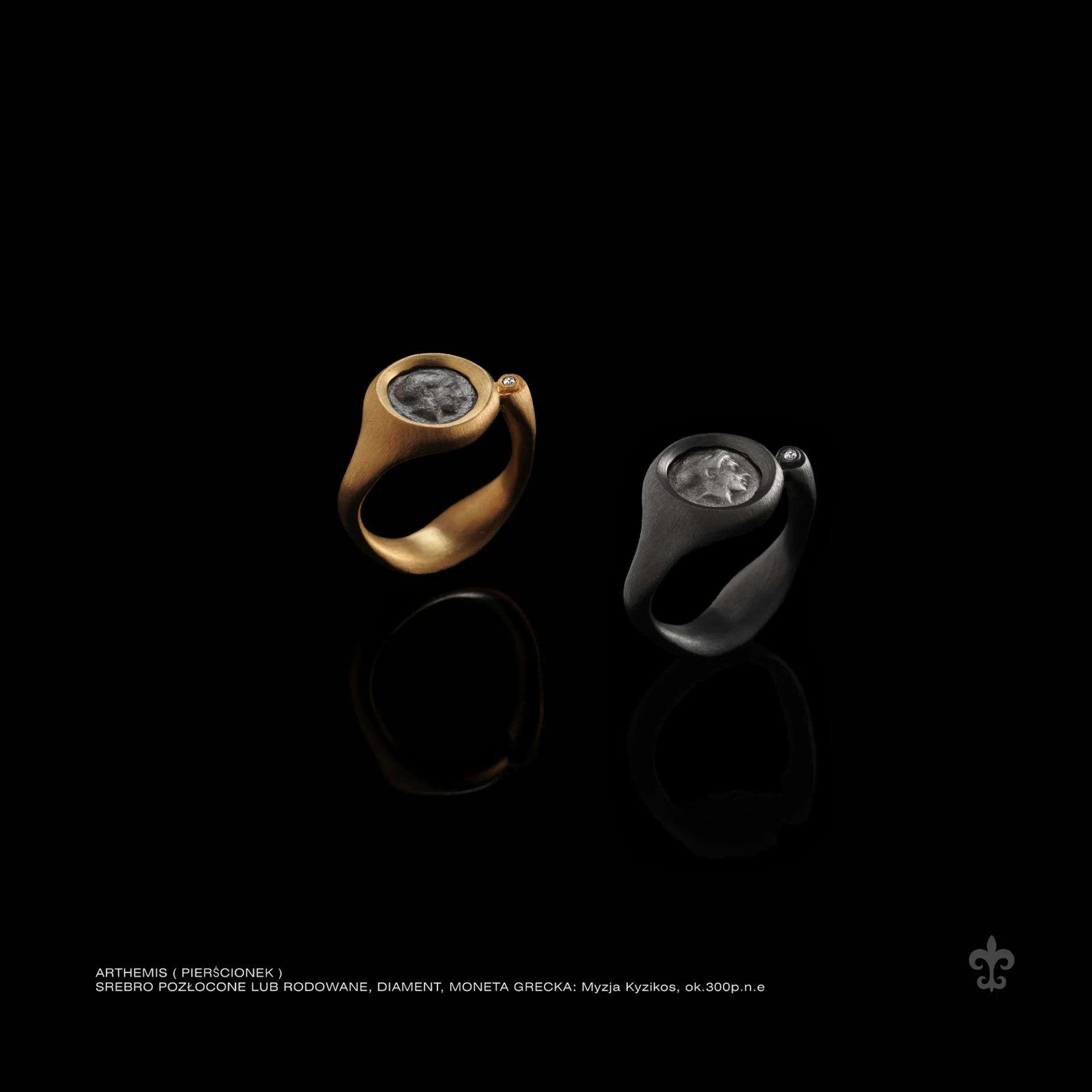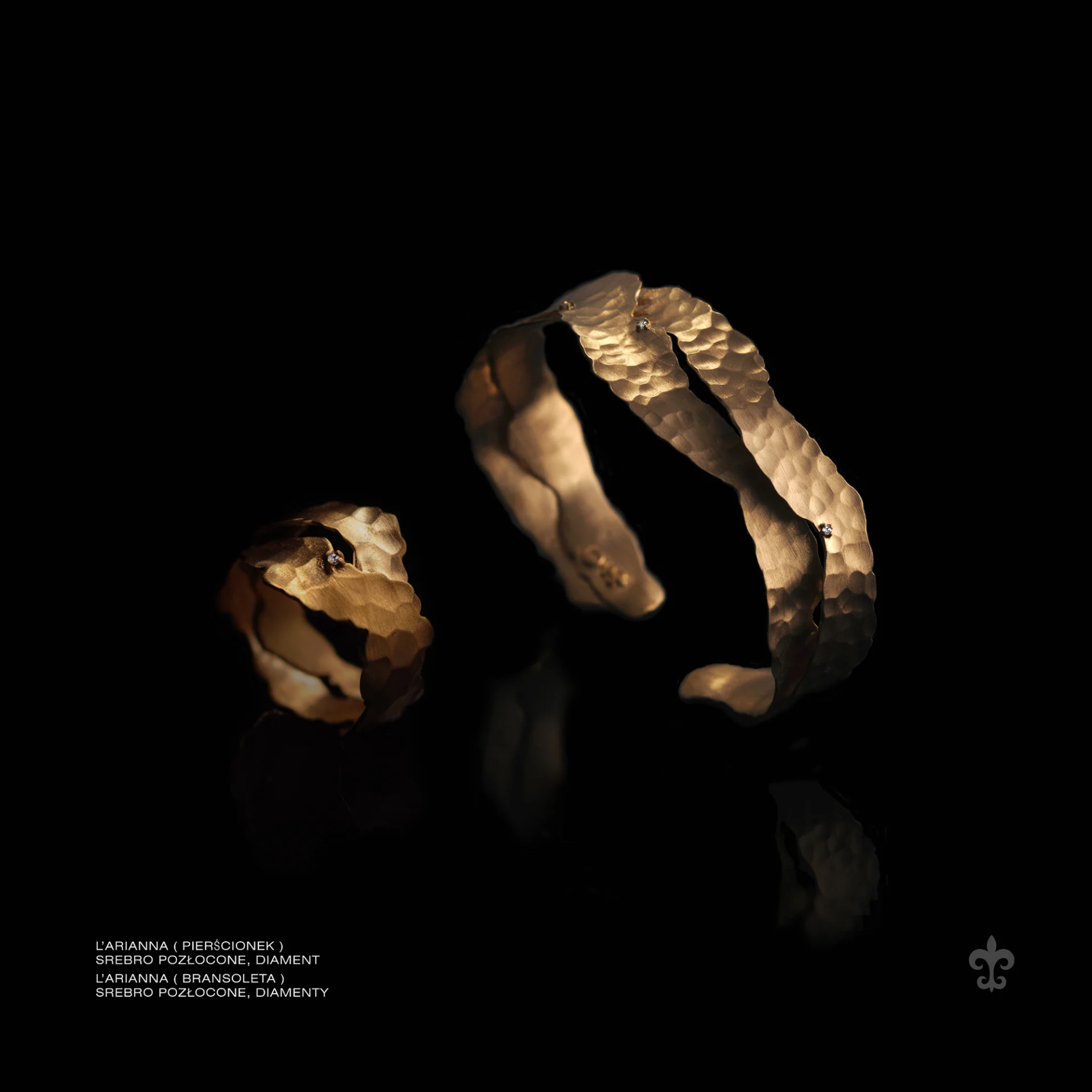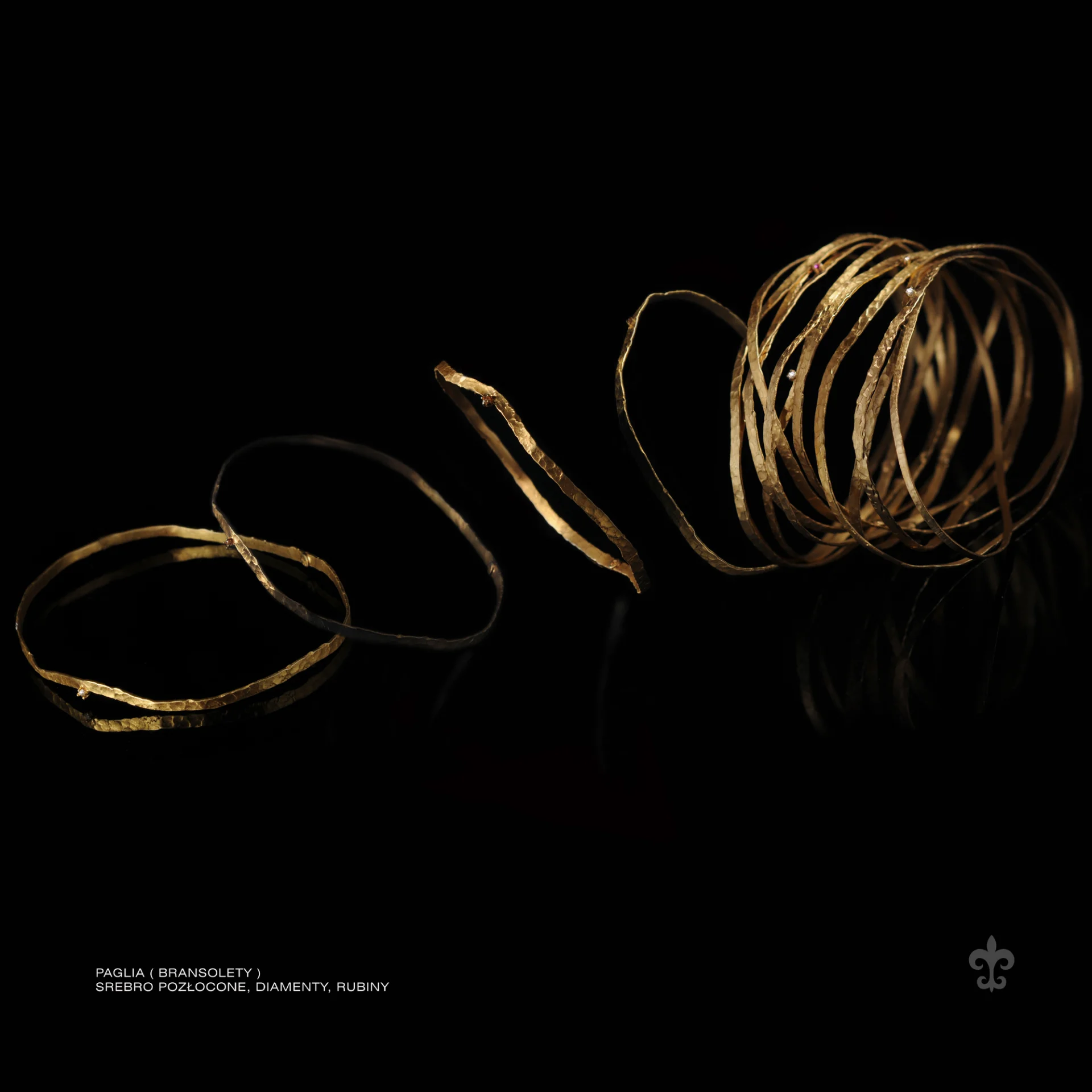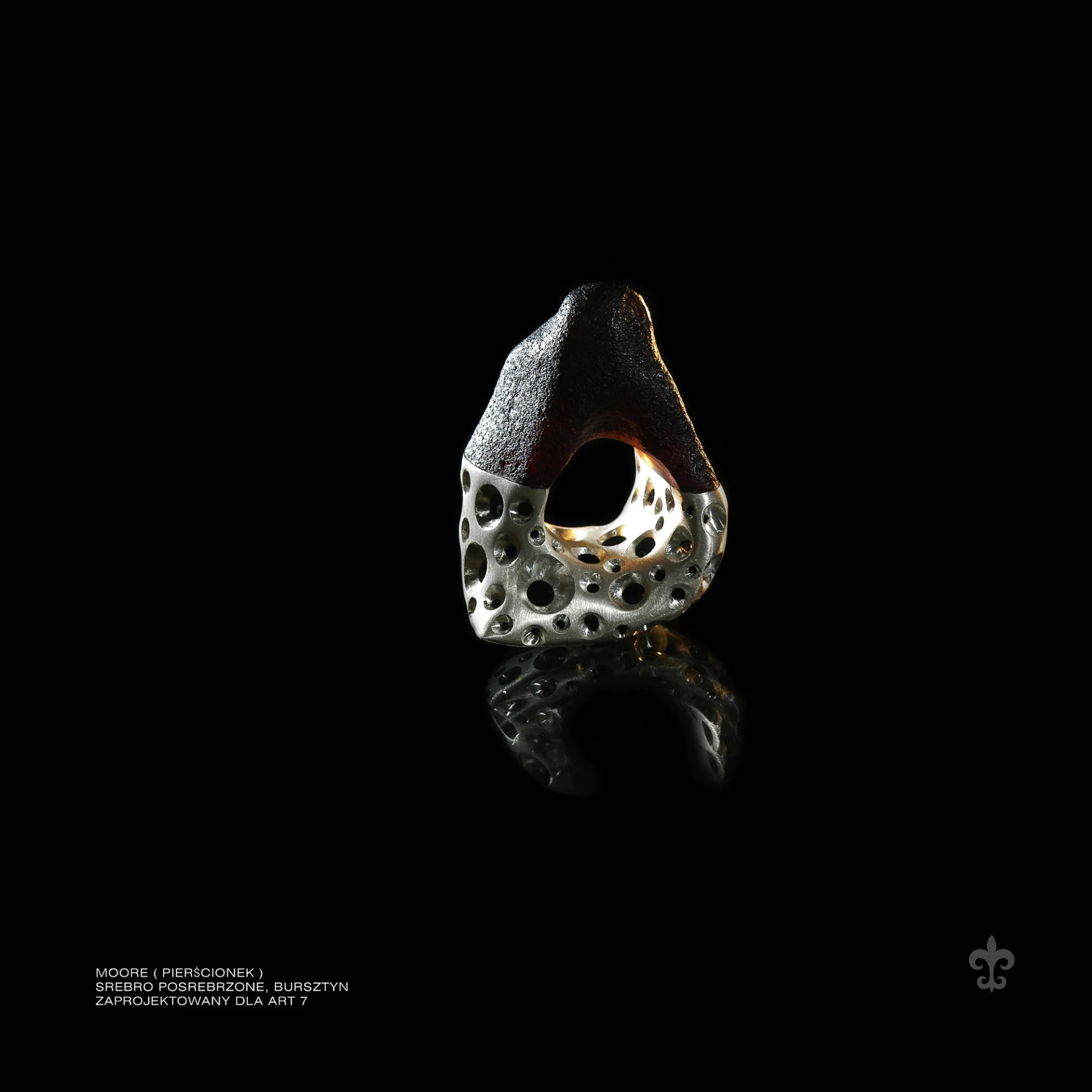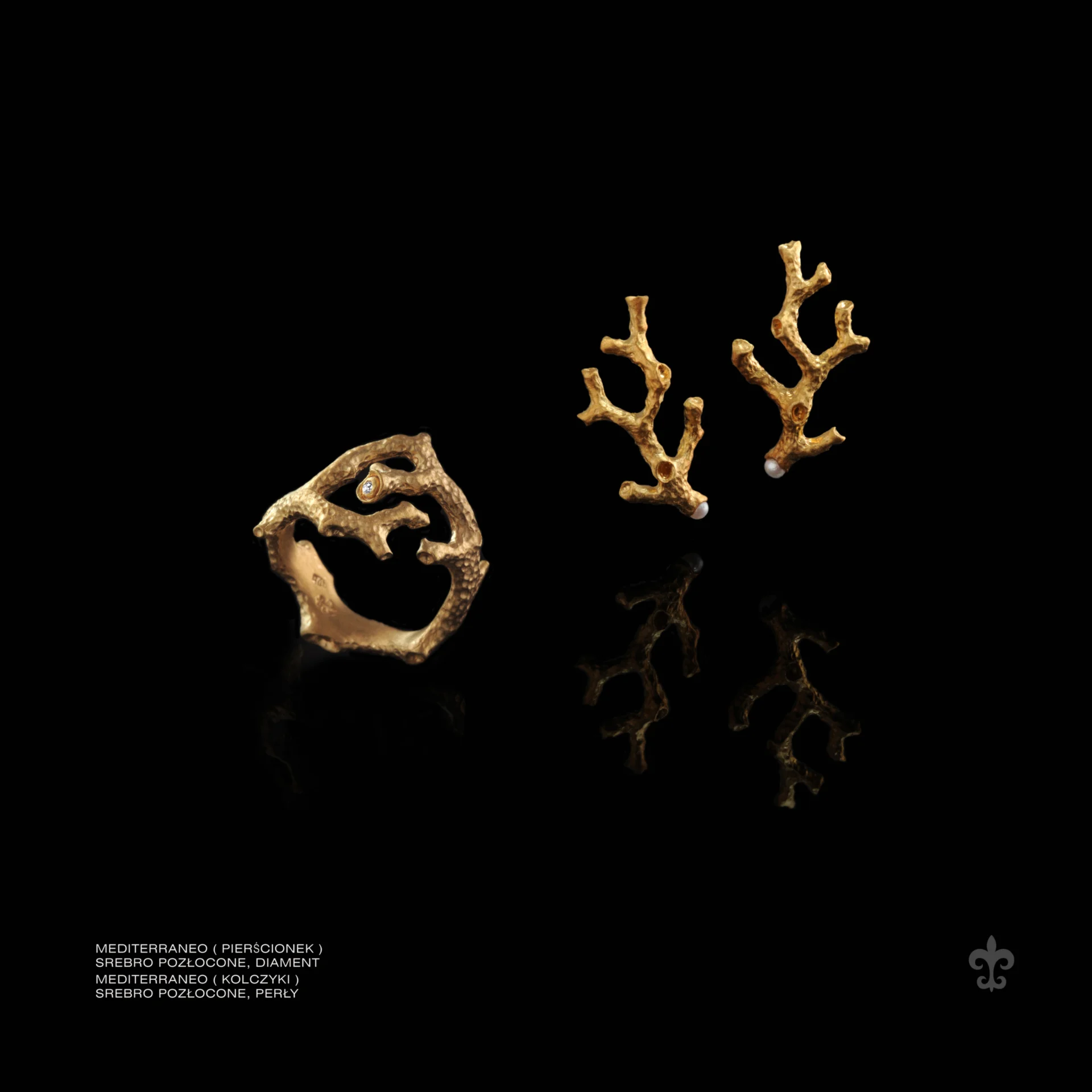
A lot has changed since our previous conversation in 2007. First of all, you've stepped out of your safety zone, which you called a drawer, you've dared to show your projects to the world, in other words, you've exposed yourself to evaluation, something you once really wanted to avoid....
Certainly for me it was not my safety zone. Above all, I tried to create the conditions for my safe design. I am not afraid of being judged, but I think that in order to show something, it is worth having that „something” first. During my stay of several years in Germany in the 1990s, I had the opportunity to encounter another dimension of design reality manifesting itself in all possible forms. Above all, the availability of art. In Germany, contemporary sculpture - please do not confuse it with patriotic or religious sculpture - is presented in free urban space. Works by Rodin, Picasso, Moore, the Italian Futurists or the Russian Constructivists, minimal-art and land-art sculptures play an important educational role. Germany is also the home of the great Bauhaus. Industrial design, graphic design, typography or architecture are at a very high level. So it is difficult, when drawing on such experiences, not to be critical of the environment and, above all, of oneself.
Did it pay to come out of it? To show the world?
„Talent requires silence and solitude,” Goethe said. Concentrating too quickly on exposing oneself and one's work or concentrating on its commercial aspects prevents the creator from penetrating its structure, that is, everything on which the value of the work depends. By concentrating on exhibiting the work, the creator wastes energy and time that should rather be used to deepen his thoughts and perfect his craft. By doing so, he or she loses time to create his or her own long path of development, which in turn is always a strong foundation in building something of value. Thinking about creating my own path is close to my heart, which is why the whole process of my going public seems to be slow. It is also inherent in a certain system of functioning to protect myself from a certain danger. It is a process of moving away from absolute values. This system comprises three zones. The first is the zone of development, creative work and important thoughts - in Goethe's words: in silence and solitude. We want to show the results of our work and thoughts, so we „come out of solitude” into the world and enter the second zone, the comfort zone of viewing/viewing - exhibition - and the resulting benefits. This zone is pleasant, but worse if it becomes the most important for us. Then the creator becomes more important than the work. Fascination and bewilderment with one's own person pulls the creator away from the essence of the work - from the creation: a sterile process of repetition and self-replication ensues. And this is already the beginning of a third zone - panic - from which a return to the zone of development is hardly possible. The question arises as to whether it is worth it, when to stop and always at the expense of what?
Meanwhile, noble ideas usually lose out to brutal reality.
Brutal can be the conditions under which works are created. Creation itself is an absolute and unique value. The possibility of realising a work of art is capable of evoking very positive thoughts, so not only are ideas not lost, they are intensified. At the moment of creation, reality arguably does not exist, only what is creative counts. At the very peak of creation, values always win. Just how does one experience this?
Thinking about women when designing jewellery?
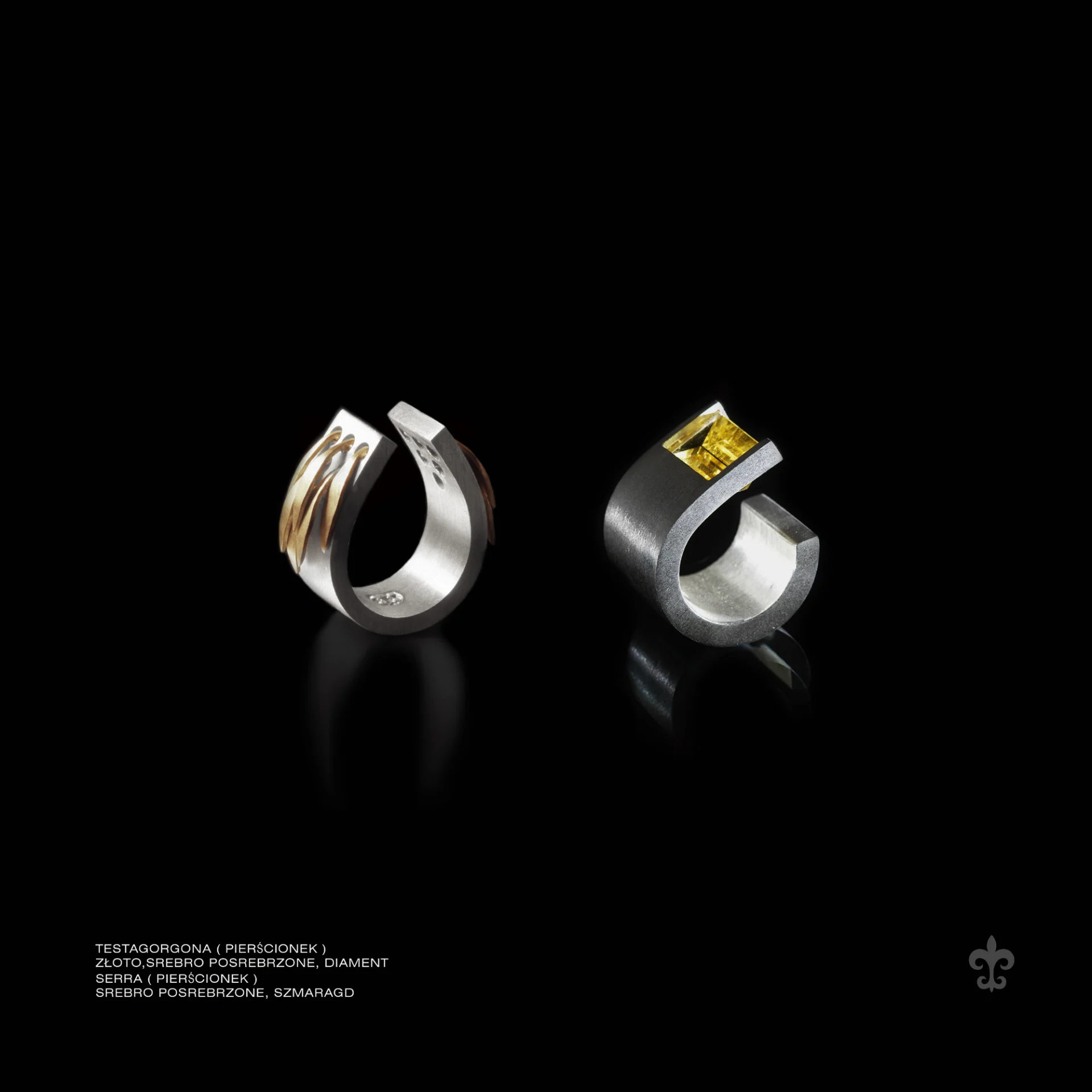
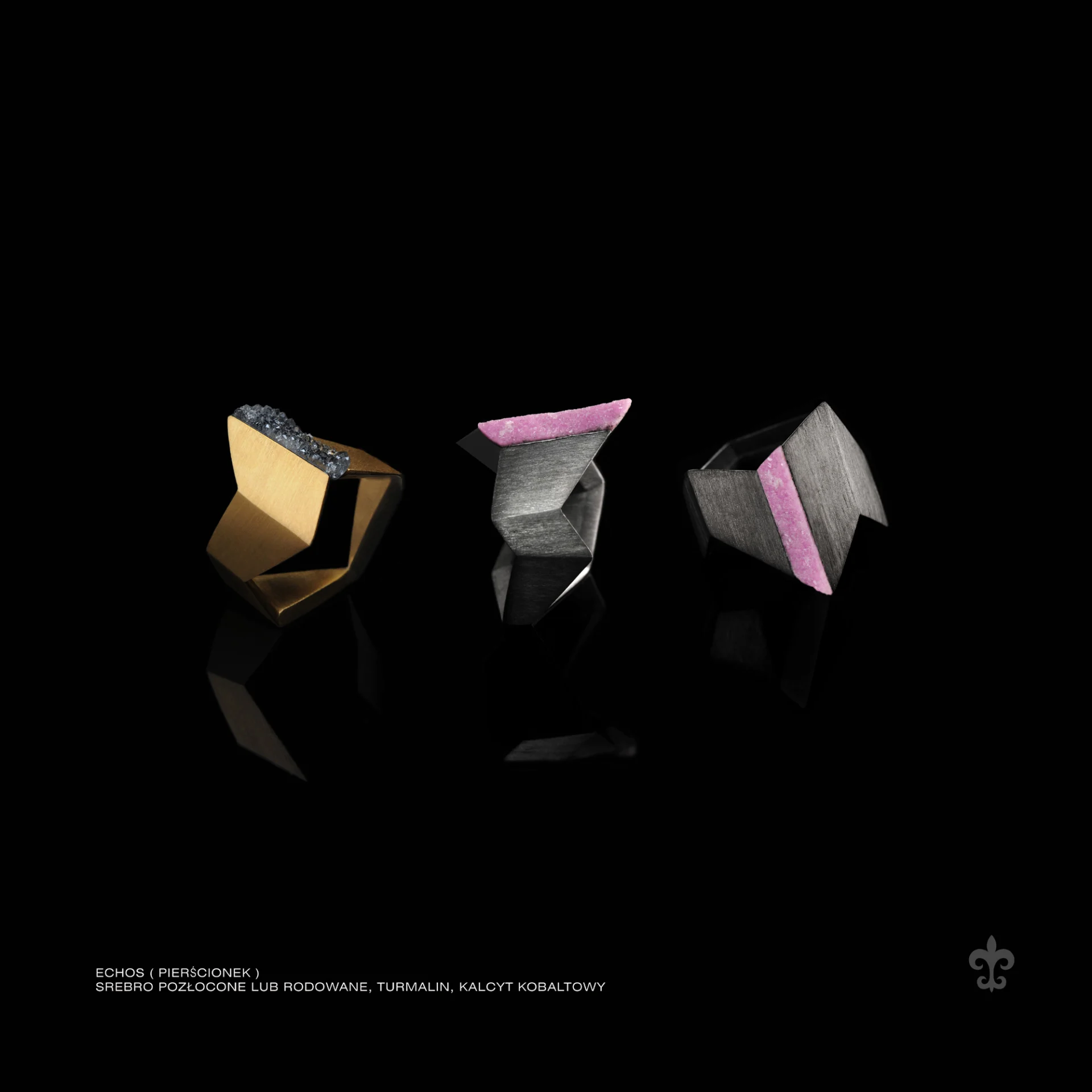
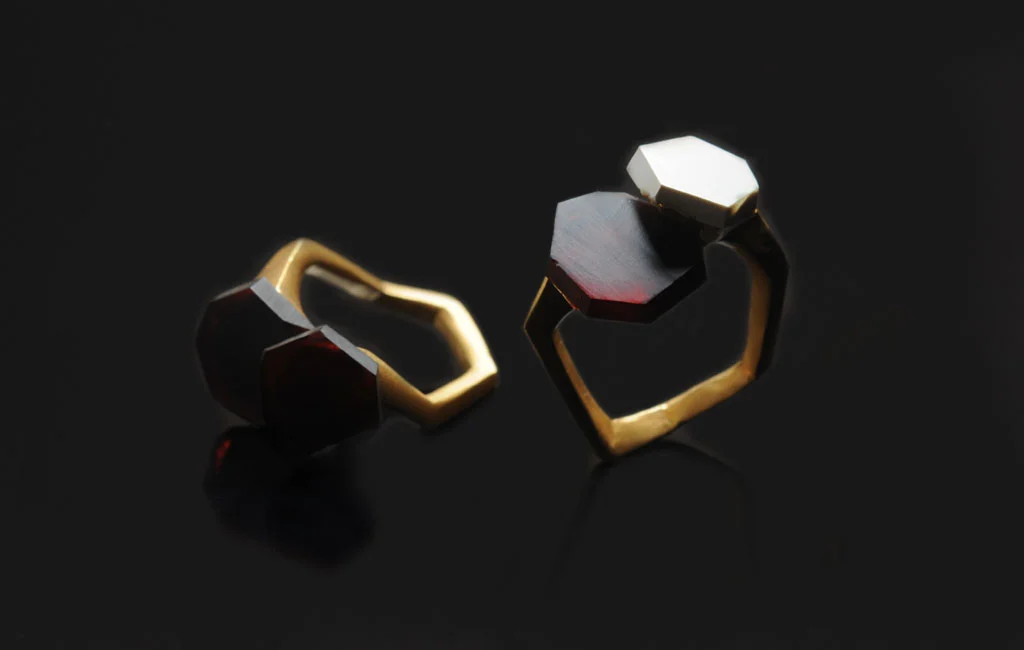
First and foremost. I am very keen to support femininity, as well as the perfect style of a woman that is possible. I observe a lot of interesting developments in the fashion world in terms of form and content. I like lightness and sophistication, boldness, noble simplicity and elegance. What I don't like is glamour and artificiality. In the world of fashion, I look for designs that I would like to complement with jewellery, while not depriving them of character. Jewellery as a subtle but very important accent. With full respect for the hierarchy of viewing values. Anyway, this is a feature of design in general. In my view, the woman, the garment and the jewellery form a coherent and unique whole in which nothing dominates and everything flows from each other. So it's not just about well-designed jewellery, but also about jewellery that is well-chosen and matched to the woman and the style she feels good about and talks about herself.

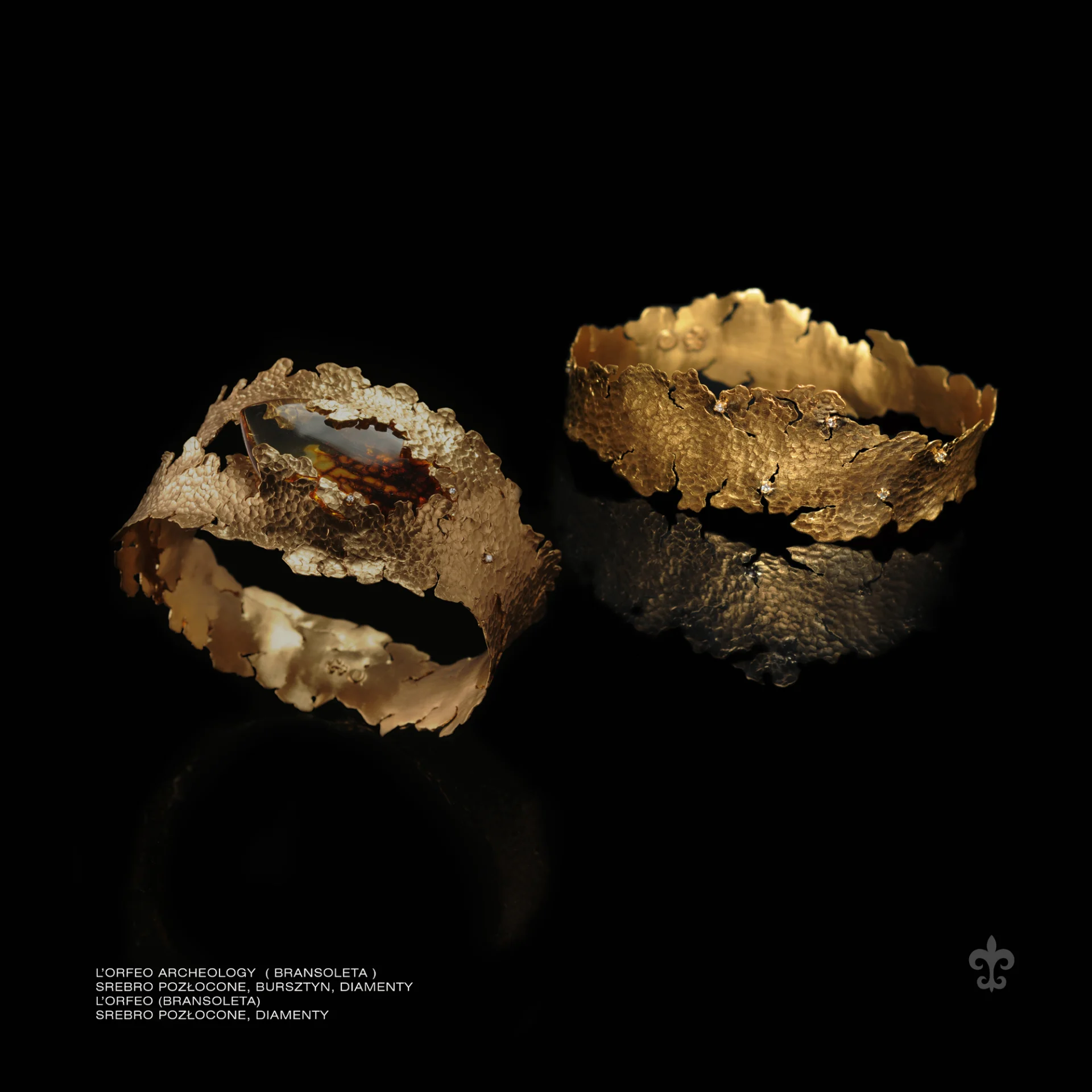
The present is interesting in a logical sense, whereas past art spiritualises this logic, strips it of its severity and obviousness. I think it is easier to understand the present by being able to contrast it with something. Early music, an important element of early art, can serve as just such a juxtaposition. In recent times, it is this music, especially in interpretations by Jordi Savall, Andreas Scholl, L'Arpeggiata, Accademia Bizantina or Accademia del Piacere, that has most strongly supported my creative process. Listening to it, I discover the most important qualities essential to design in general and as I understand it: subtlety is the most important, followed by harmony, balanced contrasts, silence, dynamics, ornamentation, simplicity or elegance. The naturalness of the sound of ancient instruments evokes the spirit of that time and those ideas. The natural transformation of art is also interesting. Ongoing time „contributes” to the aesthetic and non-human transformation of the work. The main forces here are the forces of nature. An aesthetic characterisation of the work takes place, faded masks, cracked and worn surfaces, dusty and dulled contrasts, and finally frayed stone obelisks. To a large extent, this happens by chance. Coincidence is a natural and to some extent extra-human element. A work of art subjected to such chance acquires the characteristics of the aesthetics of the natural world, that is, in our understanding, the characteristics of a perfect aesthetic. It becomes part of this nature and co-creates it in order to lose itself in it. So I look for these residues, for this very aesthetic, and I try to evoke it in various ways and with various results, because it is fascinating. I try to get as close to it as possible.
These inspirations from past centuries - the Middle Ages, the Renaissance - are very evident in your works. Even the names seem to come from this period. What is so fascinating about them?
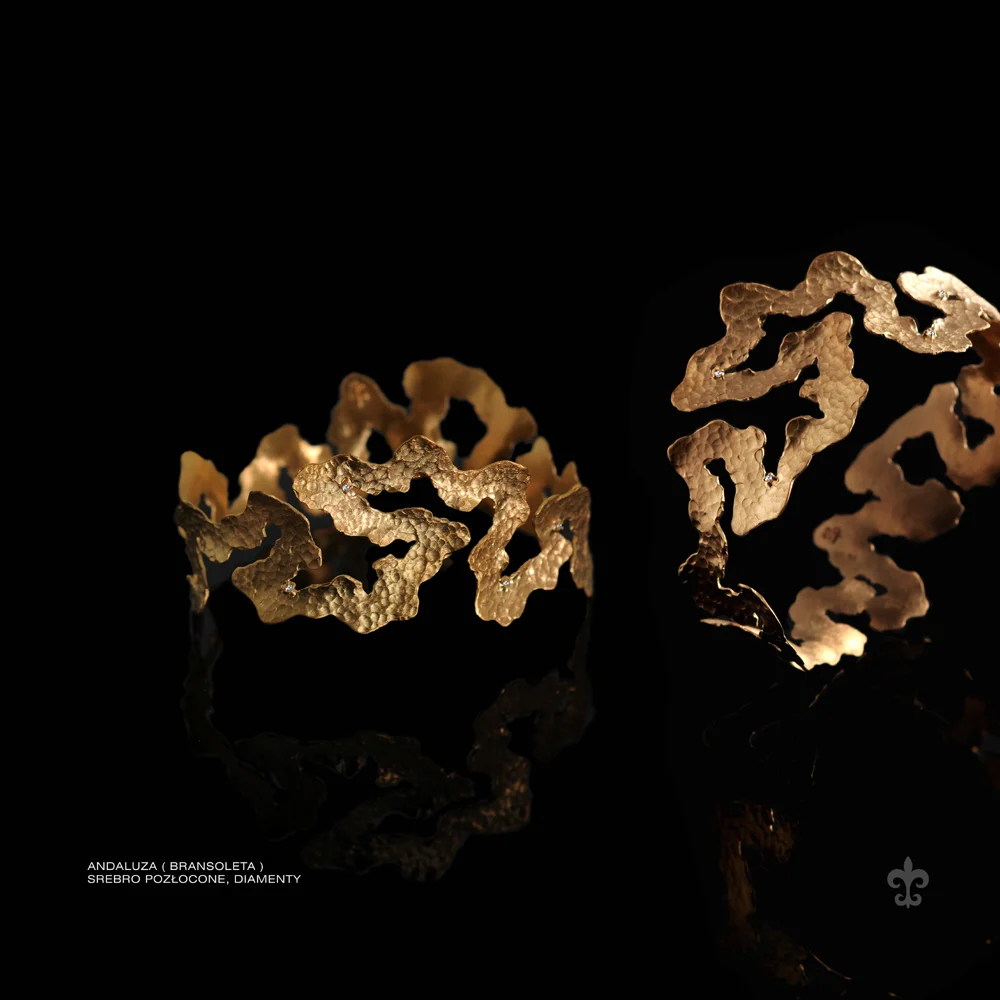
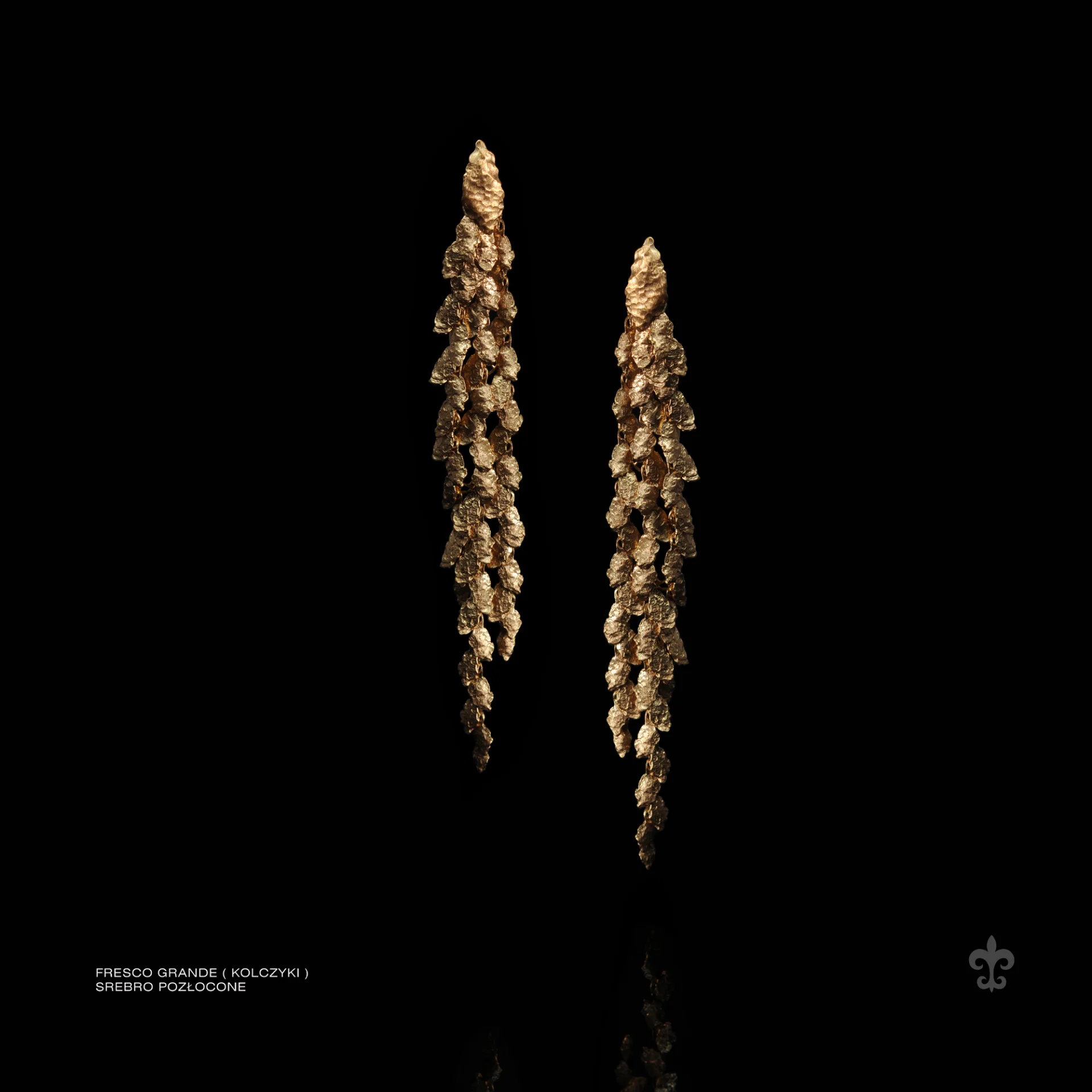
It is fascinating to note that prominent Renaissance painters or sculptors such as Michelangelo, Ghirlandaio, Botticelli, Dürer, Gozzoli, Ghiberti as well as many others practised their apprenticeship in goldsmiths„ workshops. The profession was held in high esteem among other artisanal professions of earlier eras. The jewellery made in these workshops was treated in an occasional, individual and therefore special way. It was also labour-intensive - accompanied by a painstaking, though probably interesting, process of exploration and testing. Primitive tools and modest conditions forced the masters to make an incredible commitment to the creative process that is less common today. The work required great skill in mastering and perfecting a variety of techniques, inventing new and unique ones, often for a single work. ”The hand„ of the maker, like the hand of a sculptor, made a mark in the metal while defining their own unique style. And all for them - the women of the Renaissance, goddesses, nymphs, ladies of the court, symbolic and mysterious, gifted with this beautiful jewellery. This can be experienced by meticulously searching for it woven somewhere in the disappearing, ”affected' by time, cracked and losing colour images of past eras. Today it seems that jewellery is largely devoid of privilege. Very often it is also devoid of an author. It is impersonal, without style and without emotion, which is often a key factor in determining its value. Its availability on a mass scale has largely contributed to this. Technologies responding to market needs have accelerated the process and effectively replaced much of the old. A formulation has emerged. Something ungainly in many respects, including material and design. A substitute for reality, but available everywhere and for a nominal fee. Anyway, today the situation is even simpler. Since we live in a time of highly crafted reality, which passes very smoothly into fiction, it is very difficult for us to define the boundaries of truth and this fiction. So we believe in what is well crafted and perfectly served. Maybe it is enough to say intensely promoted, without it really mattering what the product itself is and the person who is often NOT behind it.
You design more than just jewellery. You've designed the house you and your family live in. What else are you doing? Are these other projects one-off adventures or do you plan to get more heavily involved in these areas of design?
Architecture - like jewellery - is also a functional form. It is subject to the same causal factors. Desires and excitements, infatuations, fear of the unknown and the well-known certainty of one's own rationale - the modus operandi - of every project, which becomes more and more unhinged with every attempt to undertake it. I have the impression that every sincere creator becomes a prisoner of his or her own idea, believing that he or she is able to influence the reality around him or her in the only way that seems most appropriate. I also believe in this and it is simply easier for me to live with this possibility. And if this applies to other spheres of life, the scope of these possibilities to „improve” the world increases. Architecture, like jewellery, serves a unique purpose. The differences are in the way it is used, but the design truths, whatever they may mean, are close to each other. The likelihood of making a mistake and the consequences of doing so are similar. So I think these are not adventures, just further important experiences, of which there are never too many on a designer's journey. The design of the house was intended as an attempt to combine the Bauhaus order of light and space with the tradition of the place (in a historical sense), with full respect for the environment in which it is located, so without dominating it, rather in harmony with nature. It also contains an element of tension and surprise that can be felt in contrast to its inconspicuousness - this is acutely Swiss school. Just as jewellery is implicitly responsible for the woman, architecture is responsible for the public space in which it is located. In both cases, the responsibility is very great and the number of sighs or disappointments unlimited. So you have to give it your all, because it is worth it.
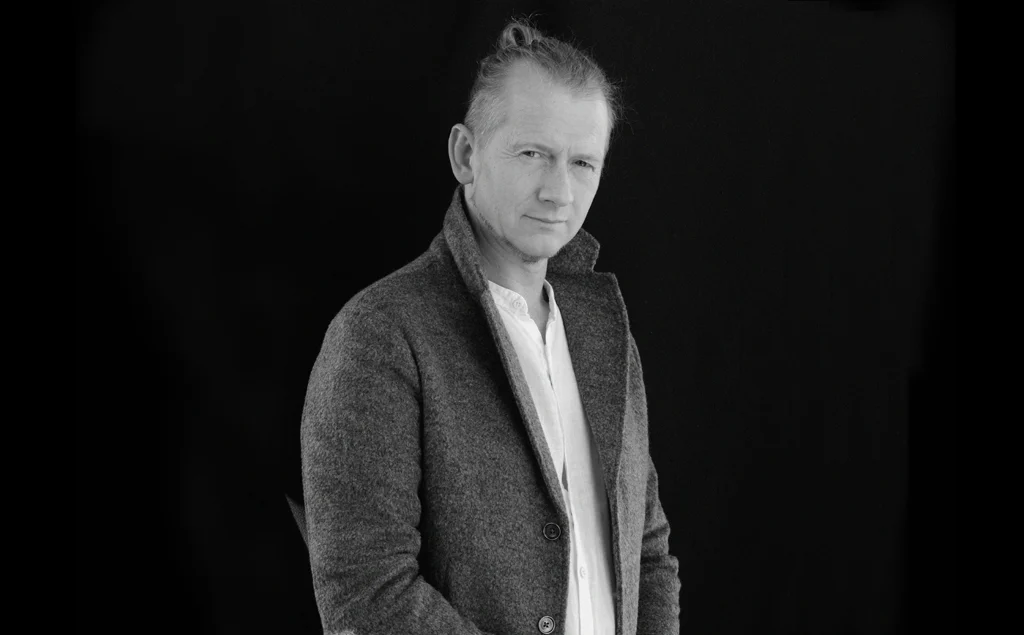
Maciej Rozenberg Graduated in photography from the Academy of Fine Arts in Gdansk. Since 2016 creator of the brand ROZENBERG. He is involved in consultancy and implementation of aesthetic image building for companies in the jewellery, optical and construction sectors; in the jewellery sector, a long-standing collaboration with ART7.
Recommended:
Moderation is the sign of a champion - Interview with Maciej Rozenberg