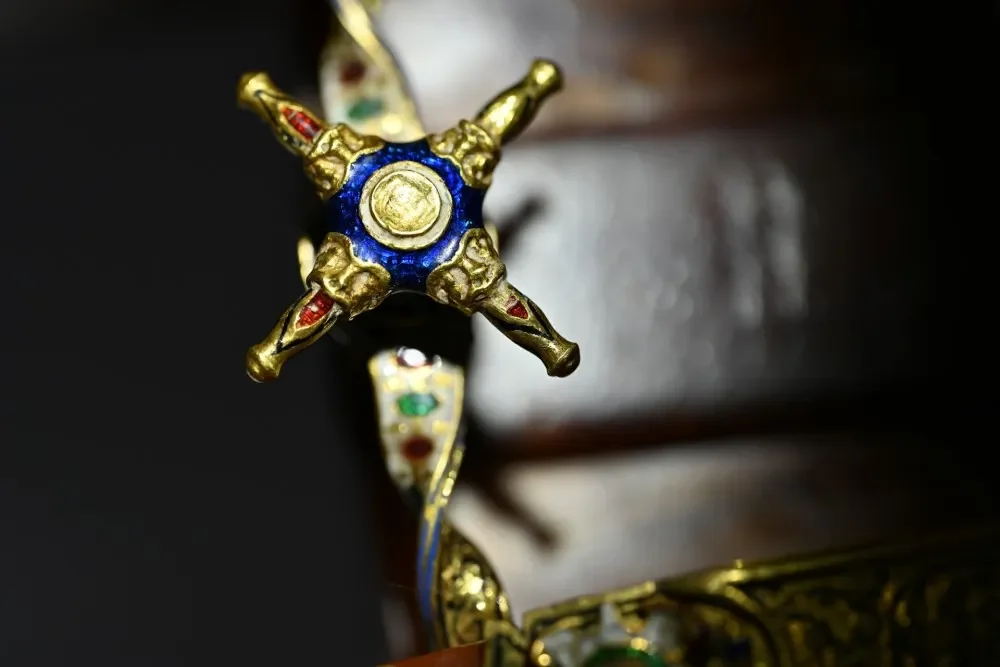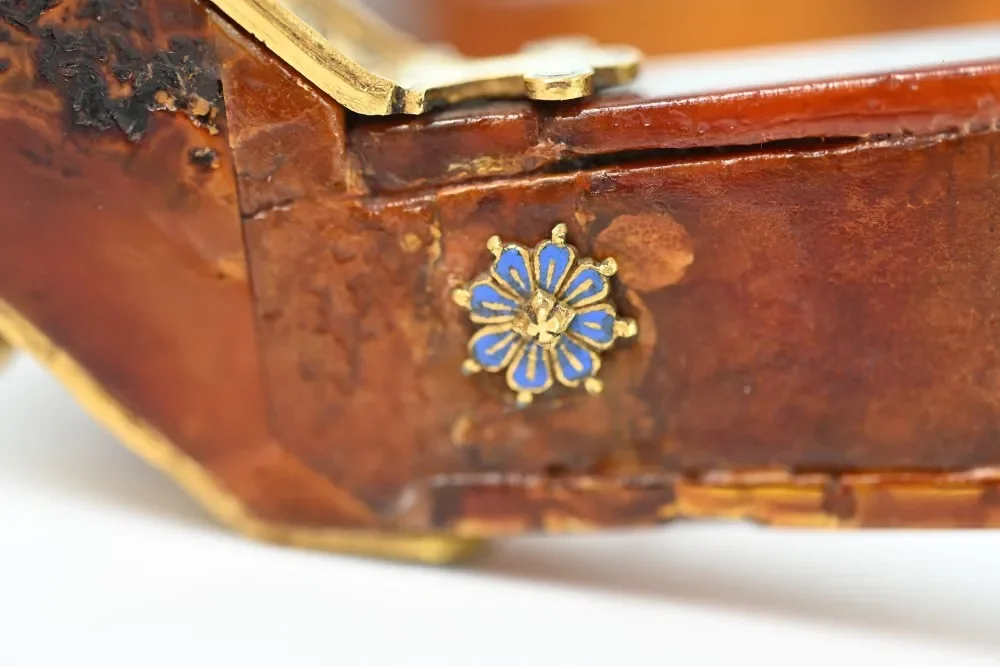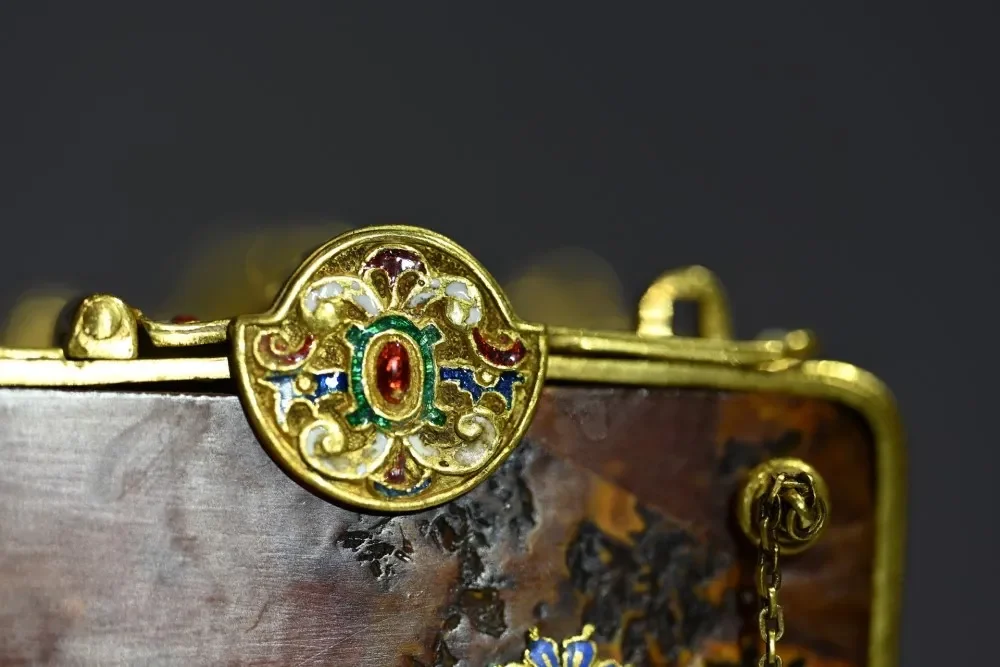
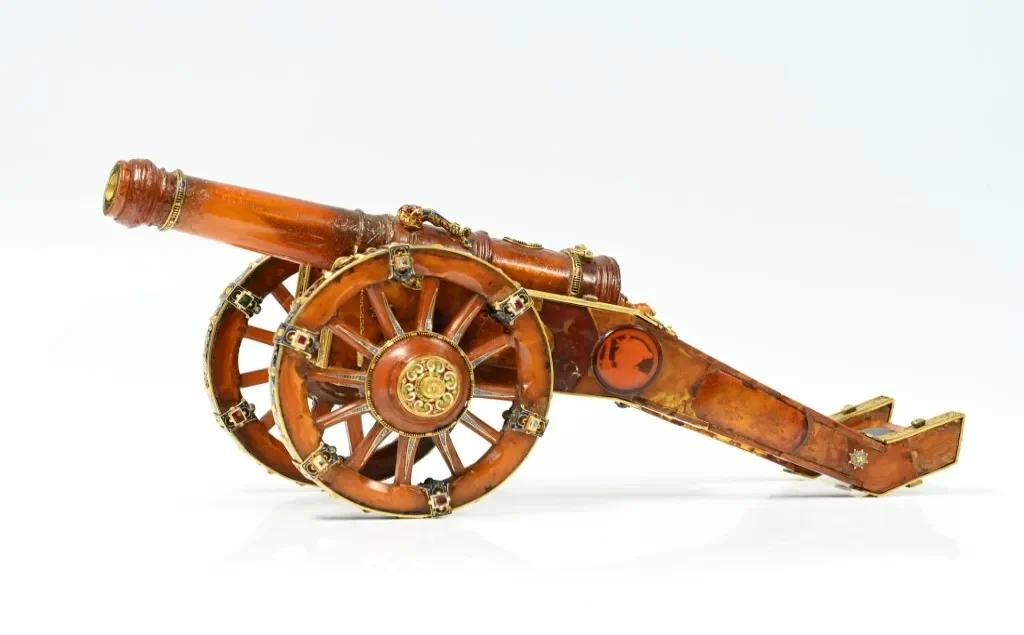
The exhibit is already on permanent display at the Amber Museum.
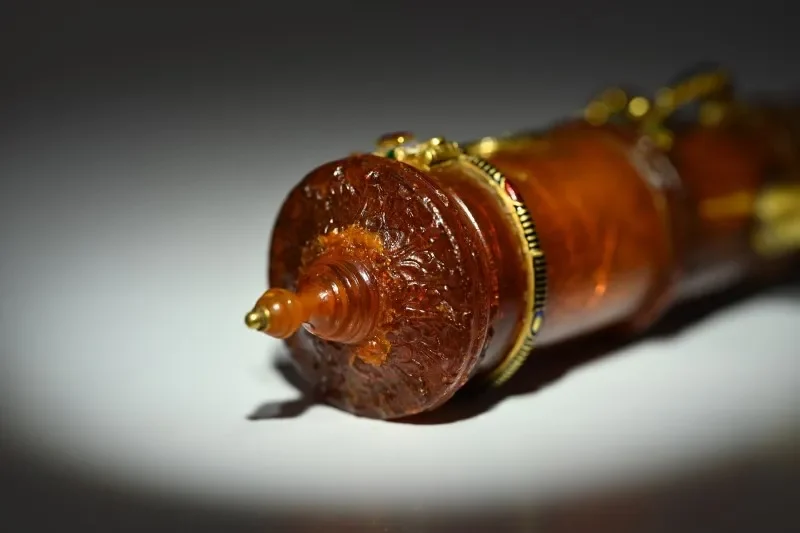
This is an extremely symbolic moment. We are dealing with an object that was created in 17th-century Gdańsk, left the city and found its way into the hands of the European elite, only to return centuries later as part of the public collection," says Waldemar Ossowski, Director of the Gdańsk Museum. - The purchase of antiquities is not a luxury, but the foundation of the museum's activities. One of our primary tasks is to acquire unique objects that allow us to better understand the history of the city and the development of ambering over the centuries. The cannon is part of the heritage of Gdańsk - its craftsmanship, tradition and identity.
The exhibit arrived in Gdansk in April 2025. After authenticity testing and analysis by external experts, the process of raising finance began. The purchase was finally finalised at the end of December 2025.
A rarity with a history dating back to the Rothschilds
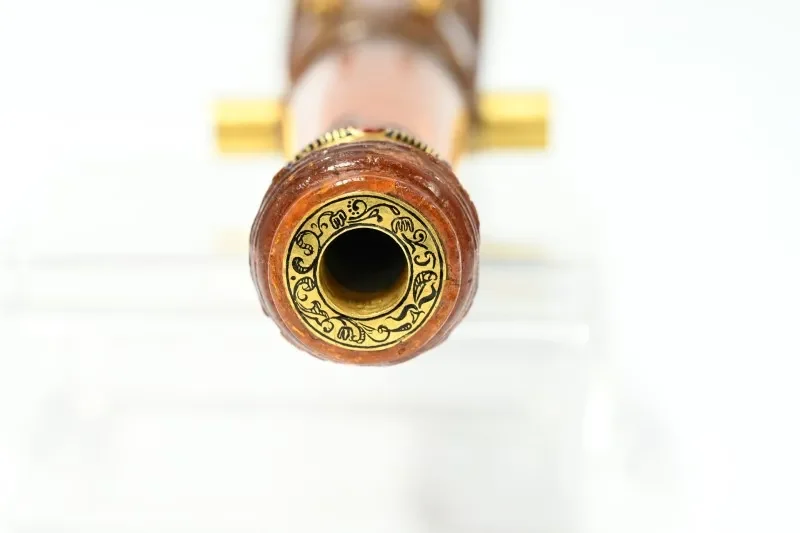
Only two comparable objects have survived in the world. The authorship of the cannon is attributed to Michael Schödelook - one of the most prominent amber artists of 17th-century Gdańsk. Although the work is unsigned, its form, execution technique and style correspond to the best-documented works of the master. Its authenticity and high artistic class are confirmed by four independent expert opinions in the fields of art history, amber studies, gemology and material research.
From 1827 until 1999, this unique jewellery cymelium was in the possession of the French branch of the Rothschild family, a well-known family of bankers. The Rothschilds were also well-known patrons and collectors of works of art, says Dr Jacek Bielak of the University of Gdansk. - Such unique works of art only increase in value with time. Those that are already highly valued today will reach even higher prices in a few years.
In the 19th century, the object was further decorated with gold fittings and jewellery elements, most likely in the Paris workshop of Alfred André for Baron Alphonse de Rothschild. This phase of the work's history became an important part of its collector biography and raised its artistic profile. During the Second World War, the cannon was seized by Nazi Germany, but returned to its owners after the conflict.
Rare monument returns to the city of its origin
The acquisition of the building was a conscious investment in the cultural heritage of Gdansk and Pomerania.
Acquiring the cannon was a conscious investment in cultural heritage and the development of Gdansk's tourist potential. Such an opportunity is extremely rare," stresses Waldemar Ossowski. - When in 2000, after the death of Baroness Batsheva de Rothschild, the object was put up for auction at Christie's, work on the Amber Museum was just beginning in Gdańsk. The work therefore ended up in other hands.
Today, years later, it is returning to its place of origin. The preserved details, construction and comparisons with Schödelook's only signed copy - stored in the Westpreussisches Landesmuseum in Warendorf - make the Danzig cannon a monument of exceptional historical and scientific value.
Support from public institutions and partners
The Gdansk Museum is a self-governing cultural institution with a separate legal personality and its own budget allocated for the pursuit of its statutory objectives, including the development of its collection. The purchase of the exhibit was made possible thanks to the Gdansk Museum's own funds, generated, among other things, by record attendance at the institution's branches. In 2024, they were visited by more than 630,000 people, and in 2025 the number of visitors exceeded 660,000.
Key support was also provided by a grant of nearly PLN 500 thousand from the Museum Collections Expansion 2025 programme, funded by the Ministry of Culture and National Heritage. In addition, the Lech Wałęsa Airport in Gdańsk donated PLN 200 thousand, and a donation for the purchase was also made by the Totalizator Sportowy Foundation.
The purchase was made at Galerie Kugel in Paris, which specialises in early art, for €650,000.