
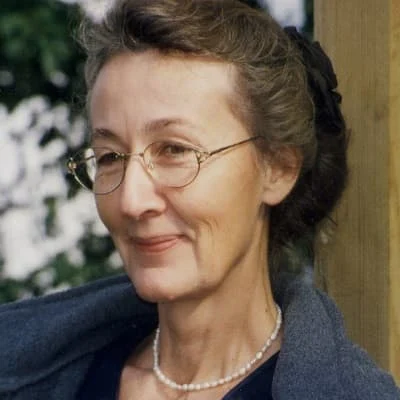
Amber has been my entire adult life. Just like many others who extract, process, sell, popularise and... research it every day. There are almost 10,000 of us living off amber in Pomerania alone, so quite a lot.
In 1640, Jan Ługowski, a young nobleman studying in Italy, asked his father in a letter for an amber item, because he wished to present it to a Roman friend, who, as he put it – „Something beautiful from Poland”This was a period when amber was commonly associated with Poland. Therefore, I am concerned that other natural resins, from various corners of the world, are currently trying to appropriate the long and beautiful history of succinite by calling themselves amber. Let's call them fossilised resins, as most of them are, along with their place of origin. Let's not ennoble these resins; they usually do not possess the beauty and jewellery-grade class of natural Baltic amber.
Furthermore, I would like to appeal for particular caution and attention when purchasing raw amber lumps, the prices of which are unimaginably high today. On the market, buyers from China are seeking amber that will become an investment. Imitation producers – forgers – are adapting to the needs of Chinese customers. Artificial lumps have appeared, the outer layer of which, a few millimetres thick, is made of succinite, while the vast majority of the lump is artificial resin. This also applies to sculptures. In their forms, they supposedly utilise the beauty and natural qualities of the lump, which even suggest to the examiner that a sample be taken from a specific part of the sculpture, so as not to damage it – only succinite is found there, the rest is artificial resin.
While amber benefits human beauty and health, imitations do the opposite. They can be made from artificial materials containing substances that are harmful and even dangerous to health, such as: cellulose nitrate, phenol, formaldehyde, styrene, and others. They are a source of volatile substance emissions that pose a health hazard – they simply poison.
Today, Polish amber craftsmanship is experiencing a shortage of its own raw material extraction, despite possessing deposits. It is experiencing a lack of technological support. Amber craftsmen have been striving for this for years, without finding understanding or appropriate interest. Just as fakes lose out to amber, so too will neglect and tokenistic actions remain barren in the history of amber, but that which is deliberate, authentic, and reliable will contribute to building a beautiful tradition and future for amber.
Thanking you once again for the award, I remain hopeful that the existing difficulties will be overcome for the good of amber and amber craftsmen, and that Baltic amber will travel out into the world.„As something beautiful from Poland”.
Speech given during the ceremony for awarding Gabriela Gierłowska the Amber Polisher of the Year 2.