
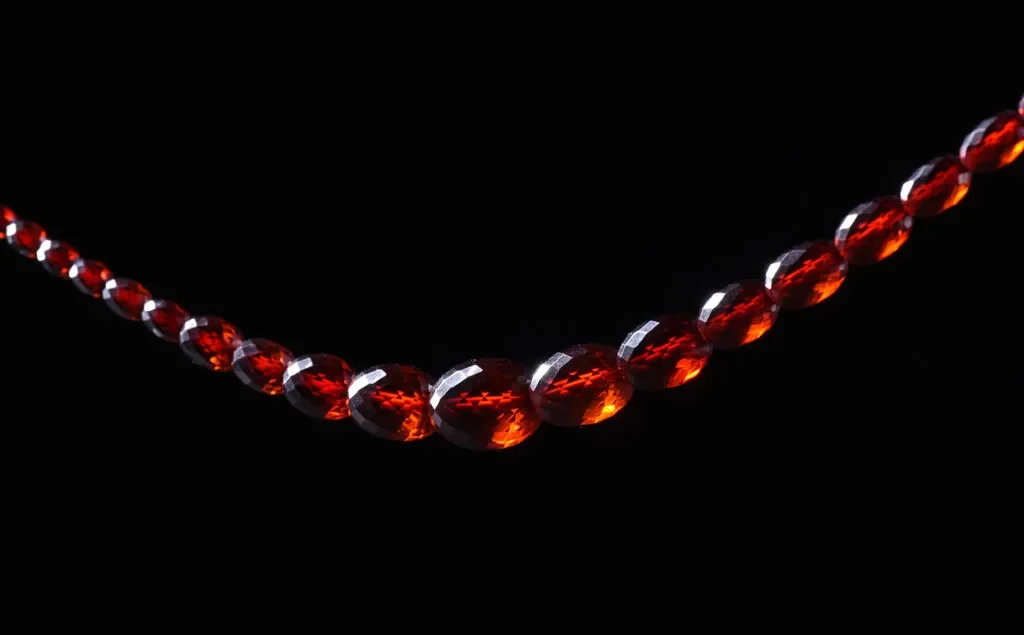
Nearly 250 objects will be on display: from ancient glass beads, to polyester ornaments from the 1970s, to contemporary synthetic resins that can deceptively resemble natural amber. Materials include polyesters, copal, glass, galalite, PMMA, polystyrene and epoxy resins.
Each of the eight showcases hides one authentic specimen of Baltic amber, which visitors can find among the imitations. This is a proposal for both beginner amber enthusiasts and those who want to learn more about the treasures hidden in family caskets," says Waldemar Ossowski, Director of the Gdansk Museum.
Detective fun with history in the background
Why has amber been so readily counterfeited? Because it has always aroused desire. In ancient times it was attributed magical and healing properties, in the Middle Ages it was a luxury raw material, and today it has become an icon of style and natural jewellery. Its value, limited availability and unique appearance meant that imitations appeared in almost every era - Pliny the Elder already wrote about fakes in the first century AD.
In the nineteenth and twentieth centuries, developments in chemical sciences did their part - new plastics made it possible to create „amber” faster, cheaper and in larger quantities. In Poland in the 1970s, polyester necklaces and figurines found their way into almost every home and souvenir shop, often sold as amber.
Glass instead of natural amber?
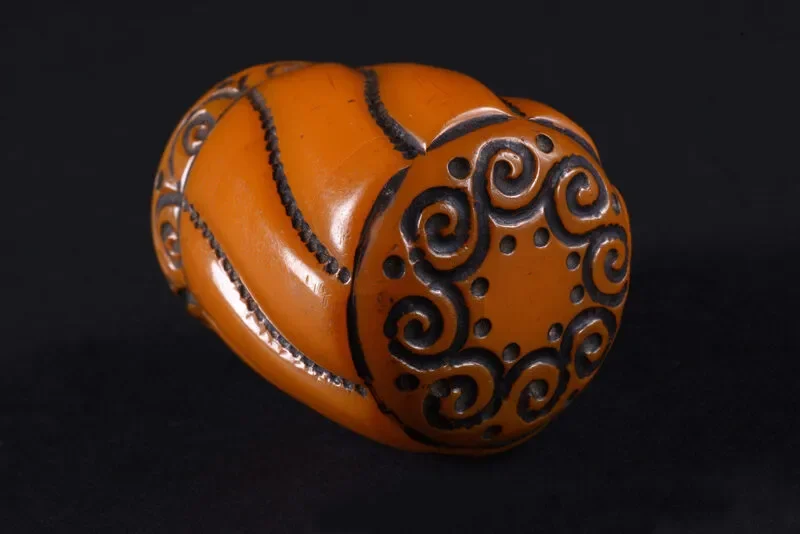
Most often, amber was „pretended” to be made from materials that were readily available and amenable to processing. For centuries, these were mainly glass - coloured in honey and cognac tones - and copal, i.e. younger natural resins, which in appearance and smell can be very similar to amber, although they are much younger. In the 20th century, plastics began to take the lead: polyesters, galalite, polystyrene and PMMA, allowing the mass production of „amber” beads, bracelets and figurines. Today, among the most common imitators are epoxy resins, particularly keen to create spectacular inclusions - striking, but usually far removed from the natural processes that have shaped genuine Baltic amber for millions of years.
Amber Buddha and „Lapwing” watch”
The exhibition is full of objects that catch the eye and make you smile. There is a Soviet „Tchaika” watch set in epoxy jewellery, there are mass-produced figurines from the communist era and there are also striking „inclusions” - insects embedded in synthetic resin, looking almost like real treasures from millions of years ago.
It is a small test of perceptiveness, but also a lesson in humility," says Dorota Wojewódka, co-curator of the exhibition. - Even we, the curators, have sometimes mistaken an original for an imitation without specialist research. This shows how advanced modern forgeries can be.
How does amber perform today?
Although the exhibition is all about fun and experience, it is worth knowing how science today helps distinguish real Baltic amber from its „doubles”. Specialists use, among other things, infrared (FTIR), UV light, structure and chemical composition analyses. The characteristic presence of succinic acid acts as a signature - allowing the authenticity and origin of the raw material to be confirmed.
Why is it important to know what we are wearing?
At a time when amber jewellery is coming back into favour, knowledge of authenticity becomes particularly important. Real amber is not only a beautiful accessory, but also a material with a history of tens of millions of years and an important part of the cultural heritage of the Baltic region. Being aware of the differences allows you to make more responsible choices, appreciate the craftsmanship and avoid disappointment when buying.
The preparation of the exhibition was made possible thanks to a grant from the Ministry of Culture and National Heritage as part of the „Supporting Museum Activities - Exhibitions and Catalogues 2025” programme.
More on imitations:
Imitation amber - creation and recognition
Imitations versus amber